
David Ellison’s Paramount shows AI finishing 2-4 hour tasks in under 10 minutes
In a Wednesday tech meeting, Paramount tech leaders said AI sped up data triage and coding, then added token limits.

Paramount Skydance CEO David Ellison has pushed the company to become a “tech-forward” enterprise, and tech leaders shared AI results in a quarterly tech meeting on Wednesday. They reported AI completing a two- to four-hour data processing task in under 10 minutes and using Claude Code to compress a multi-day coding task into minutes.
Paramount Skydance CEO David Ellison is betting that AI is not just a productivity perk, it is the new workflow. In a quarterly tech meeting on Wednesday, executives and tech leaders highlighted “productivity acceleration” after an AI-powered triage tool for data processing finished a two- to four-hour task in less than 10 minutes, according to a screenshot of the presentation Business Insider reviewed.
That same deck also pointed to coding speedups. Paramount’s tech staff used the AI coding tool Claude Code to complete a task that used to take days in minutes, the presentation showed. The message is blunt: the bottleneck is shifting from drafting work to deciding what to do next.
This matters because Paramount’s AI push is tied to a much bigger corporate agenda. The company is working to make its 114-year-old media business “tech-forward” ahead of its plan to acquire Warner Bros. Discovery. If the combined company wants to move faster in streaming technology, content operations, personalization, and data systems, then the integration question becomes less about “Can we build it?” and more about “How fast can we ship and iterate without burning teams out?” Paramount seems to be testing AI as an internal accelerator for that entire chain.
The operational reality behind the pitch is also showing up in how Paramount treats its own employees. Four high-level Paramount employees told Business Insider that the company is increasingly leaning into AI and that early results have been encouraging. Paramount has encouraged tech employees to freely use AI, according to two employees. But the company is also moving from pure enthusiasm into budget control.
On Wednesday, Paramount told tech employees it is starting to implement “per-user monthly spend limits” on AI tokens. The quotas, however, will be “far above most employees’ usage,” according to Alan Ho, Paramount’s senior director of identity architecture and AI enablement, in a Slack message viewed by Business Insider. He said the limit would be “based on usage analytics.” Translation: the company wants adoption, but it wants it on a leash. Token spend can jump quickly, and even when the output is valuable, finance teams tend to ask for predictability.
Executives are not just experimenting randomly either. The company has been building a more unified AI and data stack, including a plan to put its streamers on a unified tech platform this summer. Paramount has expanded the role of data and insights, and it has made key hires such as former Google executives Barak Turovsky as consumer AI head and Hugh Williams as an EVP. The company has also created an AI dashboard showing Cursor token usage, which Business Insider notes is similar to dashboards at Disney and JPMorgan. In other words, Paramount is trying to connect “AI usage” to something measurable instead of leaving value claims in the realm of hype.
One top AI user told Business Insider that the shift “almost felt like it happened overnight” and that staffers “feel more empowered every day” to use those tools. The person described the time savings as freeing up “more time and headspace for the creative work.” Another veteran streaming leader put a finer point on the earlier narrative: “Coding is not the bottleneck. It no longer takes days to write the code - it takes hours.” These comments align with the meeting’s core examples, but they also hint at a second-order effect boards and exec teams should watch closely: when code creation accelerates, the pressure shifts toward review cycles, product decisions, and the system of approvals that turns “output” into “shipped value.”
Paramount is also tightening feedback loops by encouraging higher levels of AI use and tracking the results. One AI-focused employee said they had been using teams of AI agents, deploying as many as 10 automated bots at once to accomplish tasks. A veteran streaming leader said they found AI usage correlated with productivity, and that the amount of code produced was soaring. They even described giving praise to developers who appeared in the top 10, signaling a cultural reinforcement mechanism: if leadership rewards AI-enhanced output, adoption speeds up and measurement becomes part of performance management.
For executives at other media, tech, and platform companies, the headline takeaway is not just that AI is fast. It is that Paramount is pairing speed claims with governance (token limits), instrumentation (usage dashboards), and staffing (AI-focused hires) while moving toward a major corporate transaction. In a world where “AI capability” is increasingly table stakes, the strategic edge is operational: who can integrate AI into day-to-day engineering without letting costs, quality control, or decision bottlenecks lag behind. Paramount’s tech leaders say that without rapid AI maturity and adoption, their teams would not have accomplished goals on time. If that is even directionally true, then the pressure is going to spread across the industry fast: the organizations that learn to ship AI-accelerated workflows will look less like early adopters and more like the new default.
This story's Key Insights and Take-aways are locked.
Create a free account to unlock Executive Actions for one credit.
Register to UnlockAlways free for Executives Club members. Join the Club
More in Business
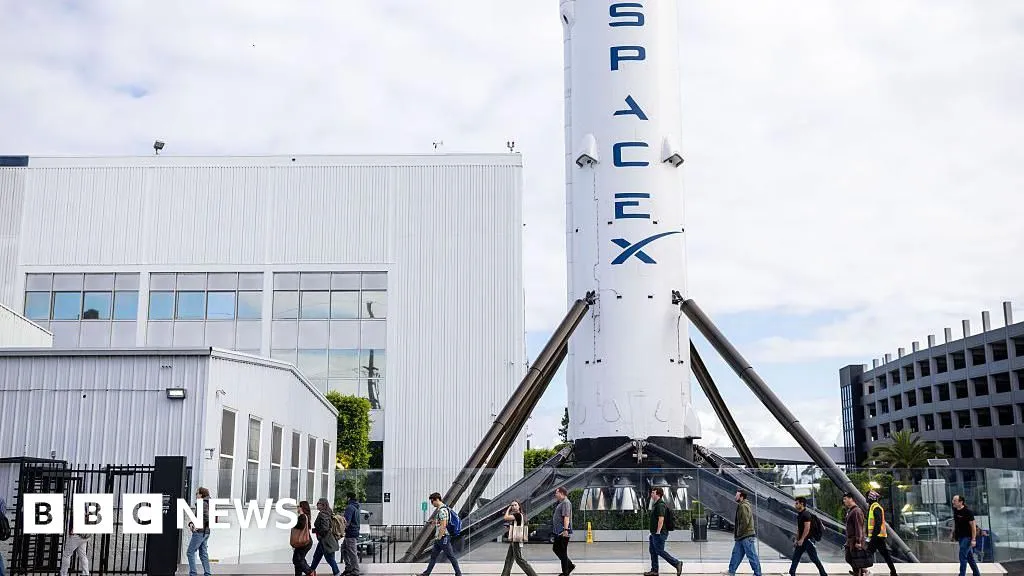
SpaceX raises $75bn in public sale, setting up Elon Musk’s record stock-market debut
A $75 billion public raise before a record listing turns SpaceX’s next chapter into a trillionaire test for markets.
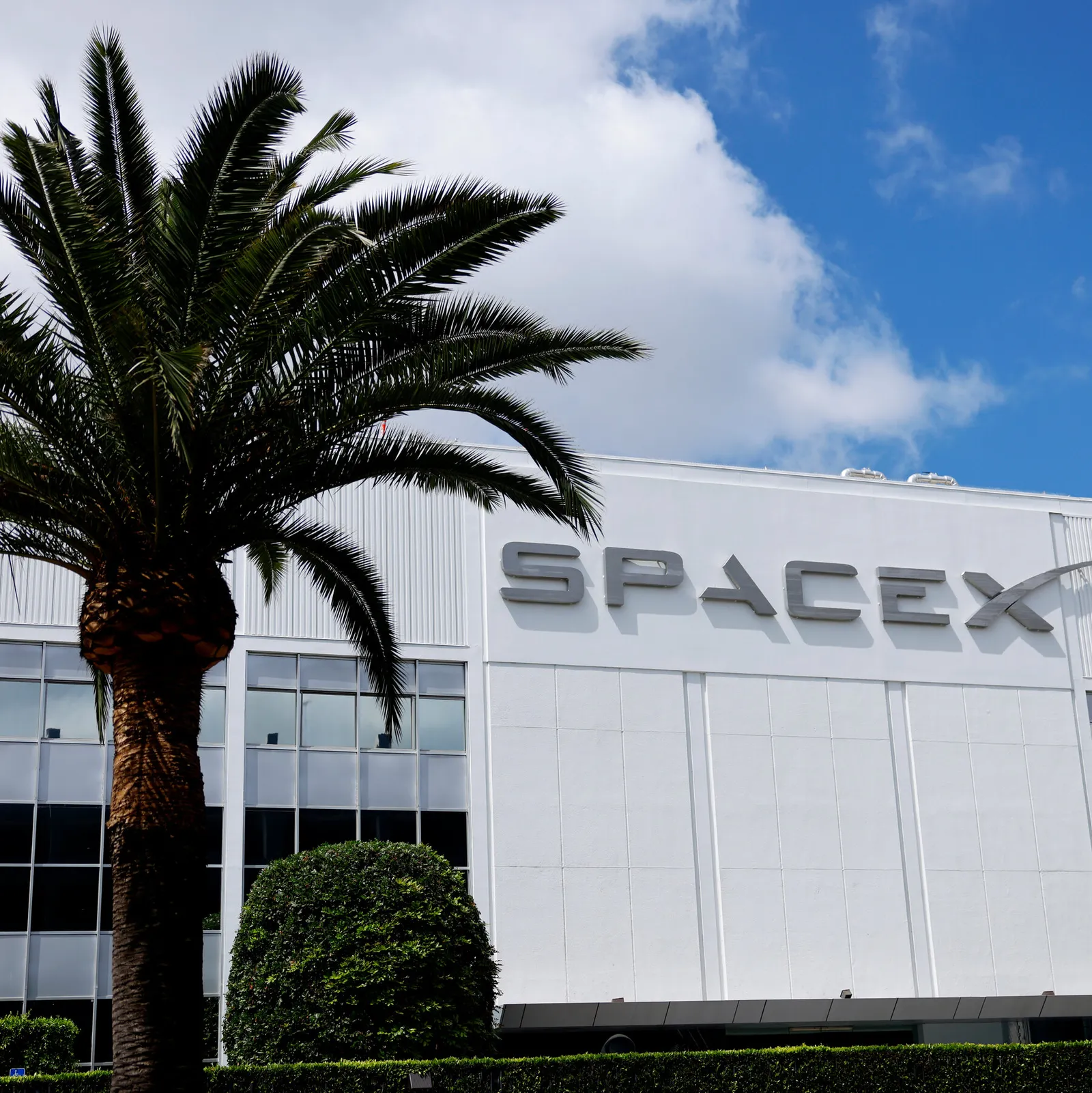
SpaceX sets IPO at $135, selling 555M+ shares and launching trading Friday
Elon Musk's rocket company prices its world-scale IPO at $135 per share, moving into public markets immediately.
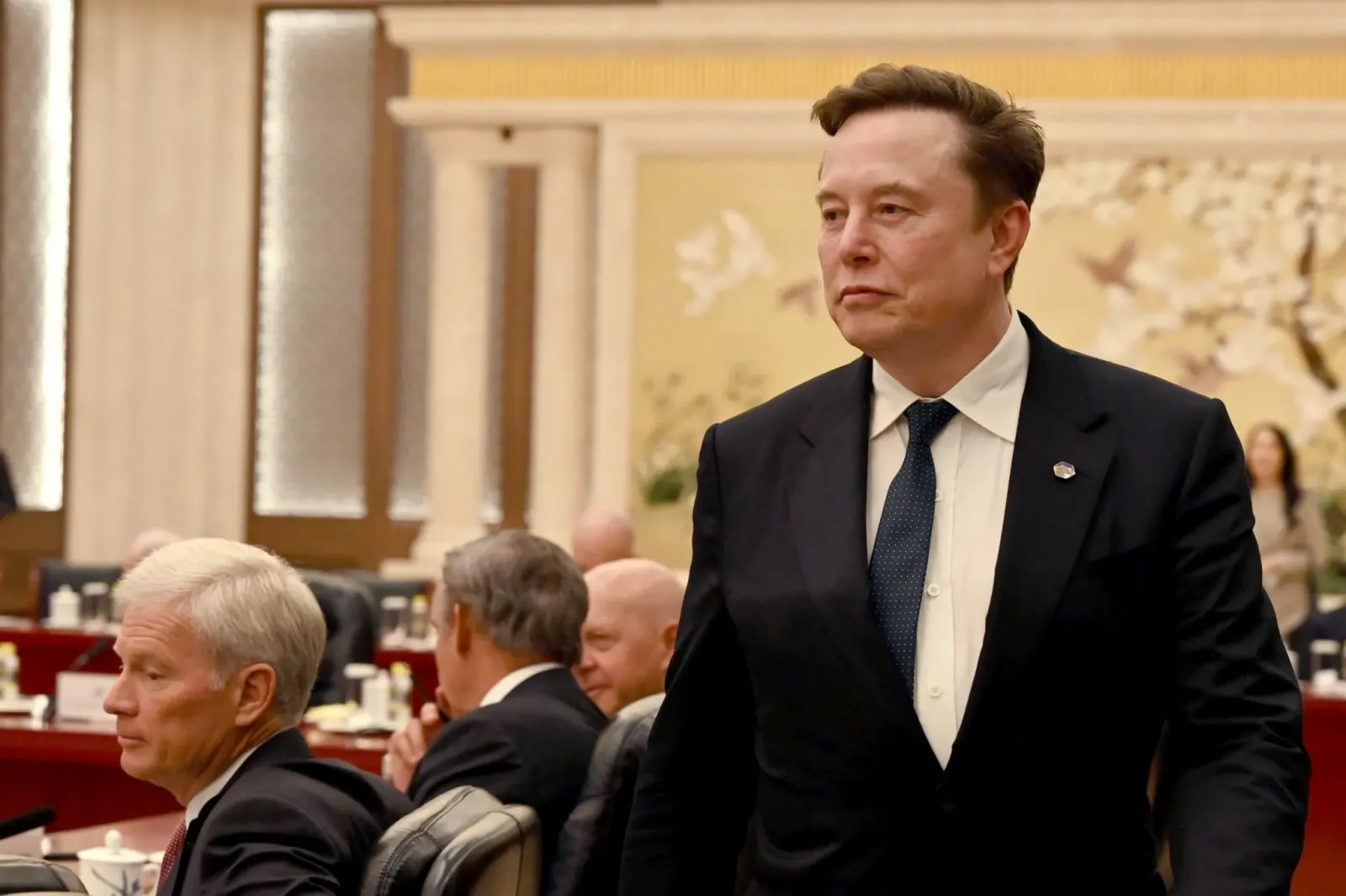
SpaceX IPO: Wedbush calls a Tesla merger “holy grail,” Morningstar pegs $63 fair value
Trading starts June 12 at $135, but analysts are split over a $72-per-share “option premium” on orbital AI dreams.