
DHS shortens foreign I-visa time to 8 months on July 17, 2026
A DHS rule trims I-visa durations, reducing how long foreign reporters can work independently in the U.S.
The Department of Homeland Security issued a regulation on July 17, 2026 that will shorten I-visa durations to eight months for foreign reporters. Decision-makers should expect more friction for independent foreign reporting and more compliance and operational strain for media organizations.
On July 17, 2026, the Department of Homeland Security issued a new regulation that will restrict foreign reporters' ability to work independently in the United States. The mechanism is straightforward and sharp: it shortens I-visa durations to eight months.
That means foreign journalists who rely on I-visas for their U.S. work will have less time under the visa framework. Instead of having a longer runway to establish reporting plans, build sources, and cover stories that do not fit neatly into a calendar quarter, they will be operating on a tighter deadline created by the regulation itself.
To understand why a change like this matters, you have to look at what I-visas typically function as in the real world. For foreign journalists, visa status is not just paperwork. It is the condition that allows them to be present, to travel within the U.S. for reporting, to coordinate interviews, and to keep producing work without constant interruptions. When the permissible duration is shortened to eight months, the production cycle compresses. Planning horizons shrink. Rebooking and re-coordination become recurring chores rather than one-time steps.
Regulation is also the part that often gets underestimated by operators. DHS is not rewriting a media policy. It is adjusting the immigration framework that governs who can be in the country and for how long. That shifts incentives for everyone around the journalist. Media companies and bureaus may respond by reducing the number of long-form assignments that require sustained time on the ground, or by structuring coverage into shorter bursts that better match the new timeline. Even when the editorial goals do not change, the logistics do.
There is also a second-order effect on independence, which is explicitly named in the original reporting as being at risk. “Work independently” is the hinge here. Independence, in practical terms, depends on stability. A reporter who has to anticipate an earlier end date to their visa period will spend more time on compliance-adjacent tasks and less time on reporting tasks that require uninterrupted momentum. Even if the journalist still finds a way to continue, the pressure changes. Stories become risk-managed because the clock is tighter.
Now add the compliance angle. Shorter durations can increase administrative overhead. Organizations that host or rely on foreign correspondents may need to monitor timelines more aggressively, coordinate documentation earlier, and potentially deal with more frequent renewal cycles. That can create bottlenecks, because immigration and documentation workflows often do not move at newsroom speed. For executives, that translates into operational cost and scheduling complexity, even if the newsroom is the one producing the content.
For boards and senior leaders, this is the strategic stake: when regulatory conditions change, the cost of getting it wrong also changes. The rule is issued by DHS and tied to I-visa durations, so it effectively changes how long foreign reporters can work in the U.S. The immediate consequence is a shorter window. The bigger consequence is that it can reshape how coverage is staffed and funded, and it can alter the ecosystem around foreign reporting, including collaborations, partnerships, and assignment planning.
The reason this belongs in an executive briefing is that immigration policy, even when it looks like a technical adjustment, can become a business constraint. Media organizations that operate with international correspondents, and any institution that supports cross-border reporting, should treat the July 17, 2026 change as a real operational variable. Eight months is not a rounding error. It is a structural change to reporting timelines, and the original reporting flags that it will restrict foreign reporters' ability to work independently. Executives who plan too loosely will discover they have less room than they expected.
This story's Key Insights and Take-aways are locked.
Create a free account to unlock Executive Actions for one credit.
Register to UnlockAlways free for Executives Club members. Join the Club
More in Politics
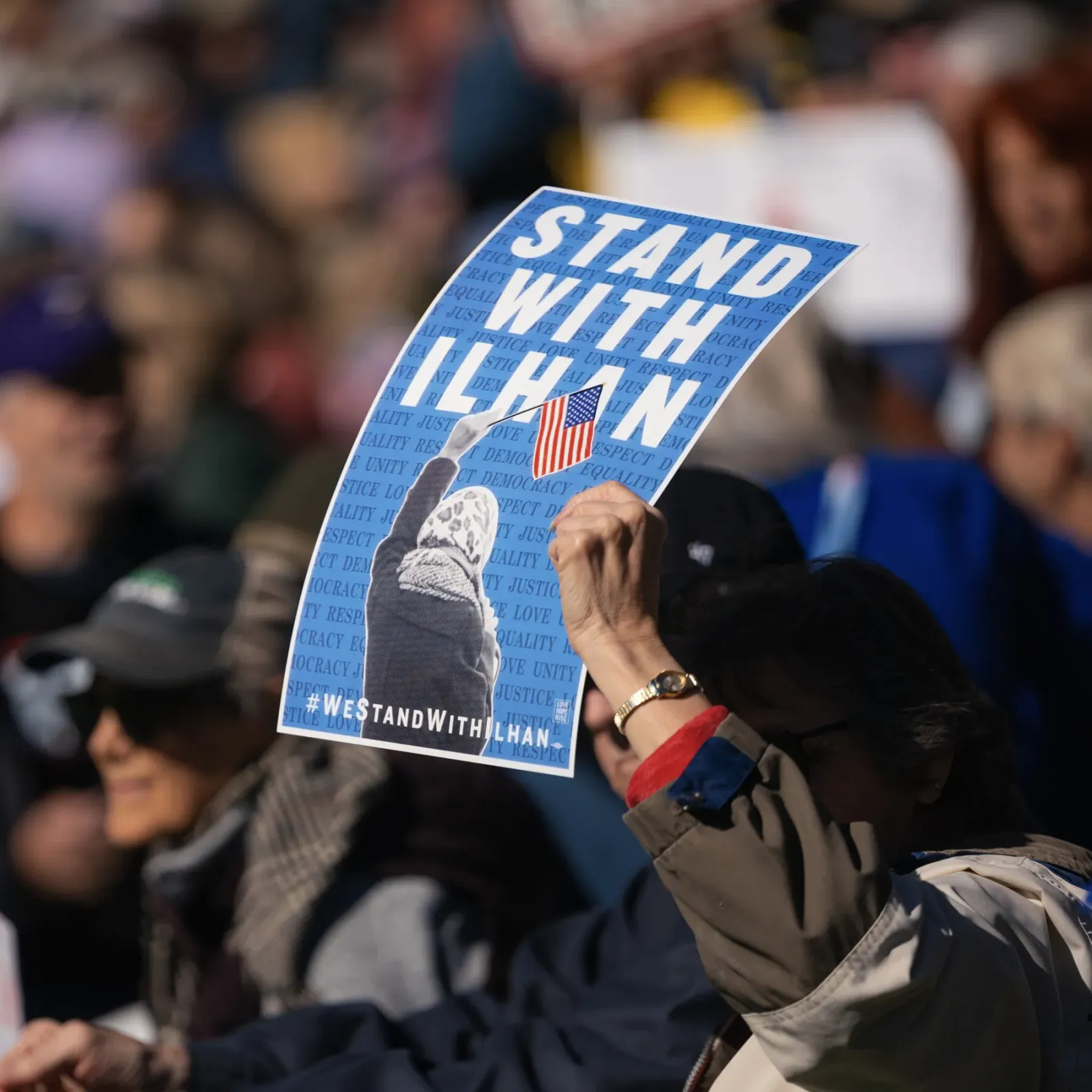
Obama Defends Ilhan Omar After Agents Search Her Home in Trump Inquiry
The former president's intervention raises the stakes in a federal probe into immigration paperwork that has put a prominent progressive lawmaker in the crosshairs.

Blair-era minister: cut welfare to fund youth job support
Alan Milburn's call for welfare cuts to fund employment support opens a Labour fight over benefits and the Neet crisis.
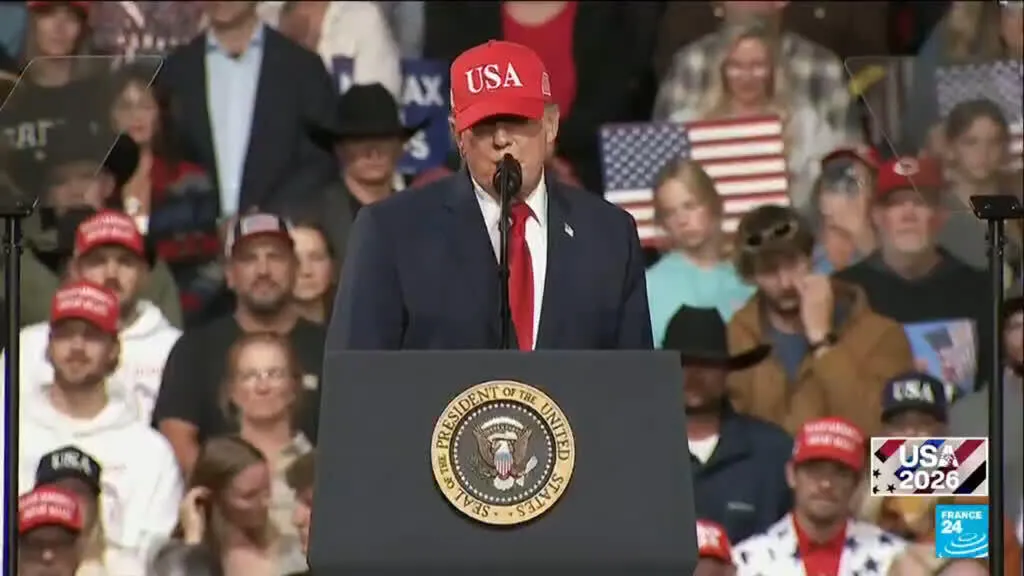
Hot September CPI: energy costs surge, voters feel the squeeze before midterms
The latest inflation print lands as Trump campaigns for GOP control of Congress, putting cost-of-living worries at the center of the midterm fight.