
Disney’s Andre Rohe warns devs not to “tokenmaxx” AI speed with waste
Disney wants higher shipping velocity from AI, but it is drawing a hard line against token waste.
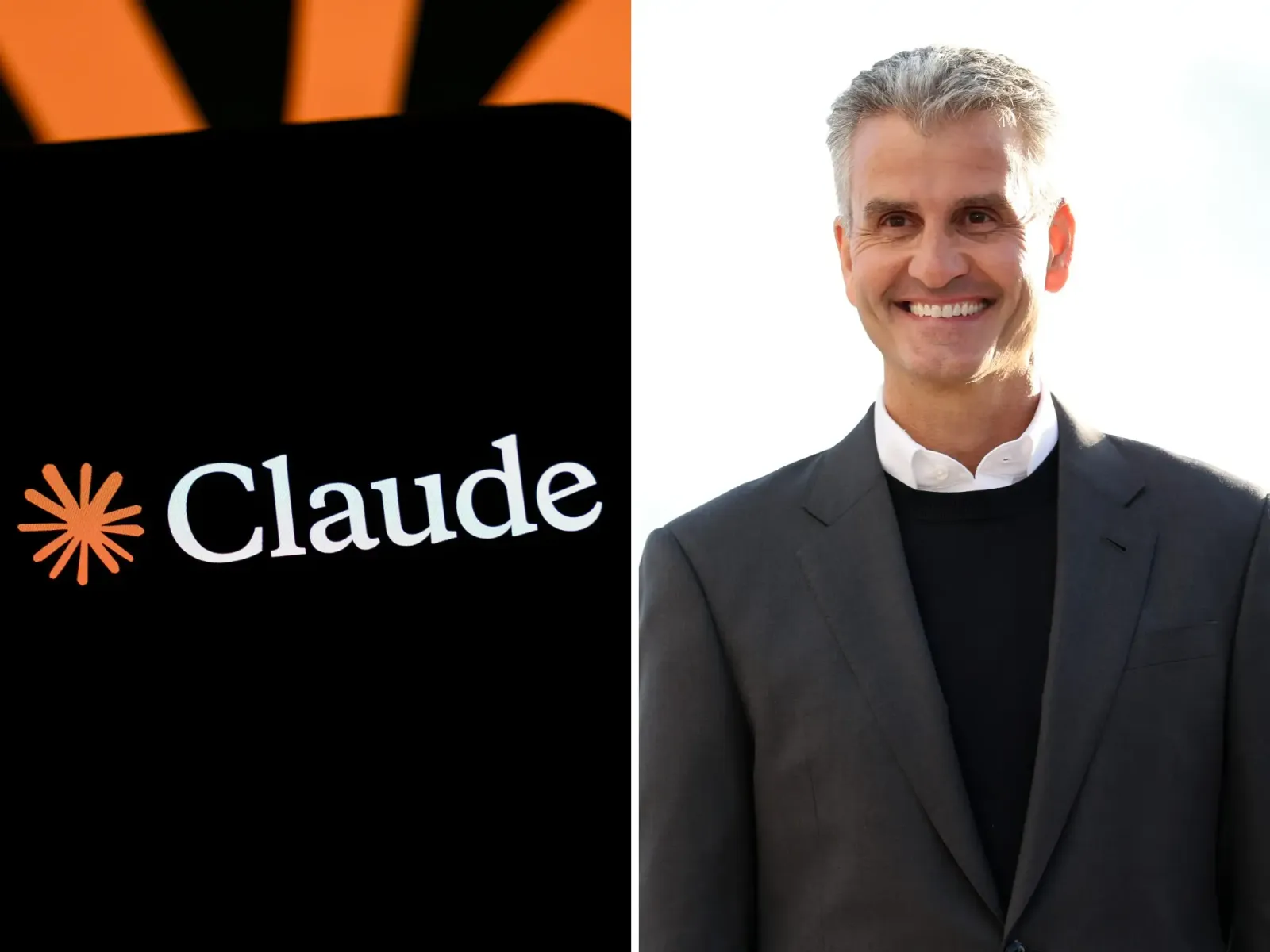
Disney product engineering EVP Andre Rohe told streaming tech staffers to increase velocity with AI but avoid “tokenmaxxing.” The consequence: boards and tech leaders may need guardrails like dashboards and token quotas, or projects will get faster but not better.
Disney’s product engineering EVP Andre Rohe is telling tech employees to chase speed with AI, but not at the cost of waste. In a Wednesday meeting, Rohe warned staffers not to “tokenmaxxing,” which the source describes as maximizing AI token usage regardless of whether it improves productivity.
The reason this matters is simple and brutal: Disney is trying to increase “velocity,” the pace of output, while also making sure AI does not turn into a resource-burning hobby that produces code that fails later. Two senior tech employees told Business Insider that Disney’s streaming leadership has been pushing for faster feature shipping, but with a focus on code quality and product resiliency, not just going faster.
For executives, this is the AI equivalent of “move fast, but don’t break prod.” The source says Disney warmed to AI over the last year, giving employees coding tools like Claude and Cursor and creating an AI Adoption Dashboard so staffers can track token usage. Some managers have even sent check-in messages to software engineers who do not use AI, which hints at a cultural push to adopt tools quickly. But Disney’s strategy, according to a person familiar with the company’s approach, is not to incentivize high usage. It is meant to encourage efficient and effective usage.
That distinction sounds subtle until you look at what other major US companies have been dealing with. The source notes that Microsoft is among the firms trying to limit unchecked AI token usage, and that Microsoft CEO Satya Nadella recently called “tokenmaxxing” addictive. The underlying problem is economic and operational: burning through AI tokens can be wasteful, and it can also steer teams toward the easiest prompts and the most expensive workflows instead of the right projects.
Disney is not the only media company to recognize this. The source says one of Disney’s Hollywood rivals, Paramount Skydance, informed tech staffers on Wednesday that it would implement “per-user monthly spend limits” on AI tokens, with a “high limit.” Translation: the guardrails are coming, but nobody wants to throttle innovation so hard that teams stop experimenting. The trick for leadership is calibrating limits so they reduce waste without punishing legitimate high-complexity work.
The second-order implication is that token budgets can become a proxy for performance. When teams are measured on output and adoption, and the tool has variable costs, the organization needs a way to measure outcomes that matter. In Disney’s case, the source says AI token tracking is meant to identify inefficient usage, increase velocity when shipping features or delivering code, and minimize AI-coded products that fail after release. That last point is key: velocity without resiliency is how you create fast-moving incidents.
Disney’s AI push is happening against a backdrop of big swings in media partnerships. The source reminds us that Disney surprised the media industry in December by inking a billion-dollar deal with OpenAI that would have licensed its iconic characters to the now-defunct Sora AI video app, while opening the door to put AI-generated videos on Disney+. Then, in March, OpenAI canceled its Disney deal and shut down Sora less than a week into CEO Josh D’Amaro’s tenure. Since then, D’Amaro hasn’t struck a major AI deal of the same scale, but Disney spoke with “more than a dozen partners” about ways to implement AI, according to The Wall Street Journal.
Still, Disney is not waiting for Hollywood-grade partnerships to materialize. The source says top software engineers are using armies of AI agents to knock out coding projects, enabling them to accomplish far more than they could on their own. It also cites Jason Cox, Disney’s executive director of AI research and development and engineering, who created an AI assistant he calls his “son” and said in blog posts that it captured his “affection.” The source adds that it is unclear whether Cox uses the chatbot for his work at Disney.
For peers, the headline lesson from Rohe’s warning is that AI governance is becoming a daily engineering discipline, not a quarterly policy memo. If you are a board member, CFO, or tech leader, the strategic stakes are clear: token costs, adoption behavior, and product reliability are starting to intertwine. Push too hard on usage and you get waste, burnout, and low-quality code. Push too little and you get slower delivery and missed competitive ground. Disney is attempting the middle path by combining adoption pressure, dashboards, and an explicit refusal to reward “tokenmaxxing” as a strategy in itself.
This story's Key Insights and Take-aways are locked.
Create a free account to unlock Executive Actions for one credit.
Register to UnlockAlways free for Executives Club members. Join the Club
More in Business

SpaceX Nasdaq debut makes it the 6th most-valuable U.S. company at record scale
The IPO flips the usual tech script, putting a revenue-light rocket maker among megacap peers on day one.

SpaceX debuts Friday on Nasdaq at $135, surges to $160.95, valued near $1.8T
A Nasdaq opening pop turns SpaceX into a public company overnight, forcing new money questions fast.
Elon Musk became the world’s first trillionaire after SpaceX IPO lifted him past $1T
SpaceX shares jumped, and Musk’s $800B pre-IPO value crossed a trillion, reshaping how investors price “moonshots.”