
DOJ probes Arizona Sen. Gallego after campaign-funded family trips to Nantucket, Caribbean
Campaign finance scrutiny hits Senator Gallego’s use of funds for family travel, and DOJ is now investigating.
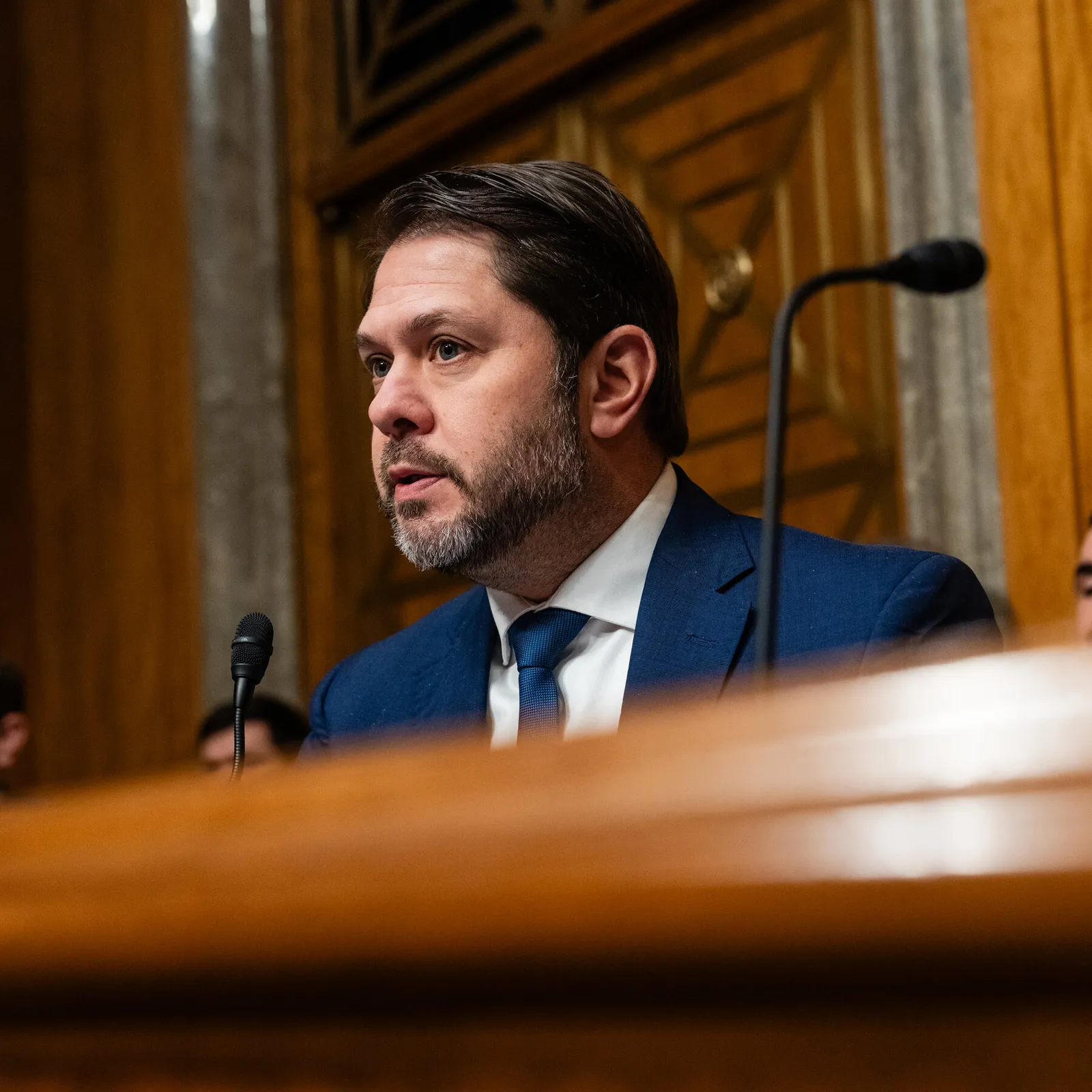
An Arizona senator, Gallego, used campaign money to fly his family to Nantucket and the Caribbean. The Justice Department has said it is investigating his campaign finance activity, raising compliance stakes for political and nonprofit operators.
Arizona Senator Gallego is facing heightened scrutiny after using campaign funds to fly his family to Nantucket and the Caribbean. The Justice Department has said it is investigating his campaign finance activity, turning what could have been framed as personal travel into a potential criminal or enforcement issue tied to how campaign money is supposed to be used.
This matters because campaign finance rules are one of the few areas where “intent” is often less persuasive than documentation. If donors think their money is paying for campaign work, but the records show it was used for family vacations, the story becomes less about optics and more about legality. Gallego’s case centers on a simple, concrete fact: campaign money funded family trips to Nantucket and the Caribbean, and DOJ is now looking into the broader campaign finance activity around those transactions.
To understand why this escalated quickly, you have to know how campaign finance compliance typically works. The basic expectation is that funds raised under campaign structures are used for activities that benefit the campaign, not for personal expenses. Investigations generally turn on categories: whether something is campaign-related, whether it was properly reported, and whether any related payments were structured in a way that could be interpreted as bypassing the rules. Even when the amounts are not publicly detailed in the reporting here, investigators can look at patterns across filings and internal records, because money movements leave receipts.
There is also a trust component that is easy to underestimate until it breaks. Political fundraisers, strategists, and campaign managers often operate as if the system is durable because it has been durable. But once a specific misuse becomes public, it can trigger broader scrutiny from regulators and auditors, and it can also shift how donors and staff behave. People start tightening processes. Expenses get questioned earlier. Transactions that previously might have been treated as “routine” suddenly require stronger backup and more careful categorization.
The Justice Department’s involvement is a key second-order signal. DOJ does not investigate everything that looks odd. When DOJ says it is investigating campaign finance activity, it implies that investigators believe there is something that merits deeper legal review beyond administrative cleanup. That can change timelines for outcomes, because criminal and large-scale enforcement tracks can be more disruptive than standard reporting corrections. For political operators, that means contingency planning, legal review of past filings, and a careful read-through of how travel and other personal-adjacent spending were handled.
There is a parallel lesson for boards and executive teams outside politics, because the mechanism is the same even if the domain changes. Systems built around incentives can drift into “interpretation” when nobody is enforcing the line in real time. The minute enforcement arrives, compliance stops being a checkbox and becomes a risk-management function. In corporate settings, the analog is how expense policies and related-party rules are enforced. In political campaigns, travel and family spending often expose the same underlying question: are policies followed consistently, and are records sufficient if enforcement agencies ask “why” and “how”?
Finally, Gallego’s situation is a reminder for peers in similar roles that one transaction can be the headline, but the investigation is usually about the surrounding trail. Campaign finance scrutiny can broaden from a single expense to reporting accuracy, internal controls, and whether anything else in the activity supports or contradicts the initial narrative. If you are a senator, a candidate, a political committee operator, or an executive running an adjacent nonprofit or advocacy operation, the risk is not only a reputational hit. It is the possibility that regulators treat miscategorized spending as evidence of a larger compliance problem.
For decision-makers, the strategic stakes are simple: in regulated environments, the cost of sloppy categorization can compound. When DOJ is on the case, the institution has little room to rely on explanations without strong documentation. The Gallego story is not just about Nantucket and the Caribbean. It is about how quickly an expense becomes an investigation when campaign money intersects with personal travel and the record is under pressure.
This story's Key Insights and Take-aways are locked.
Create a free account to unlock Executive Actions for one credit.
Register to UnlockAlways free for Executives Club members. Join the Club
More in Politics
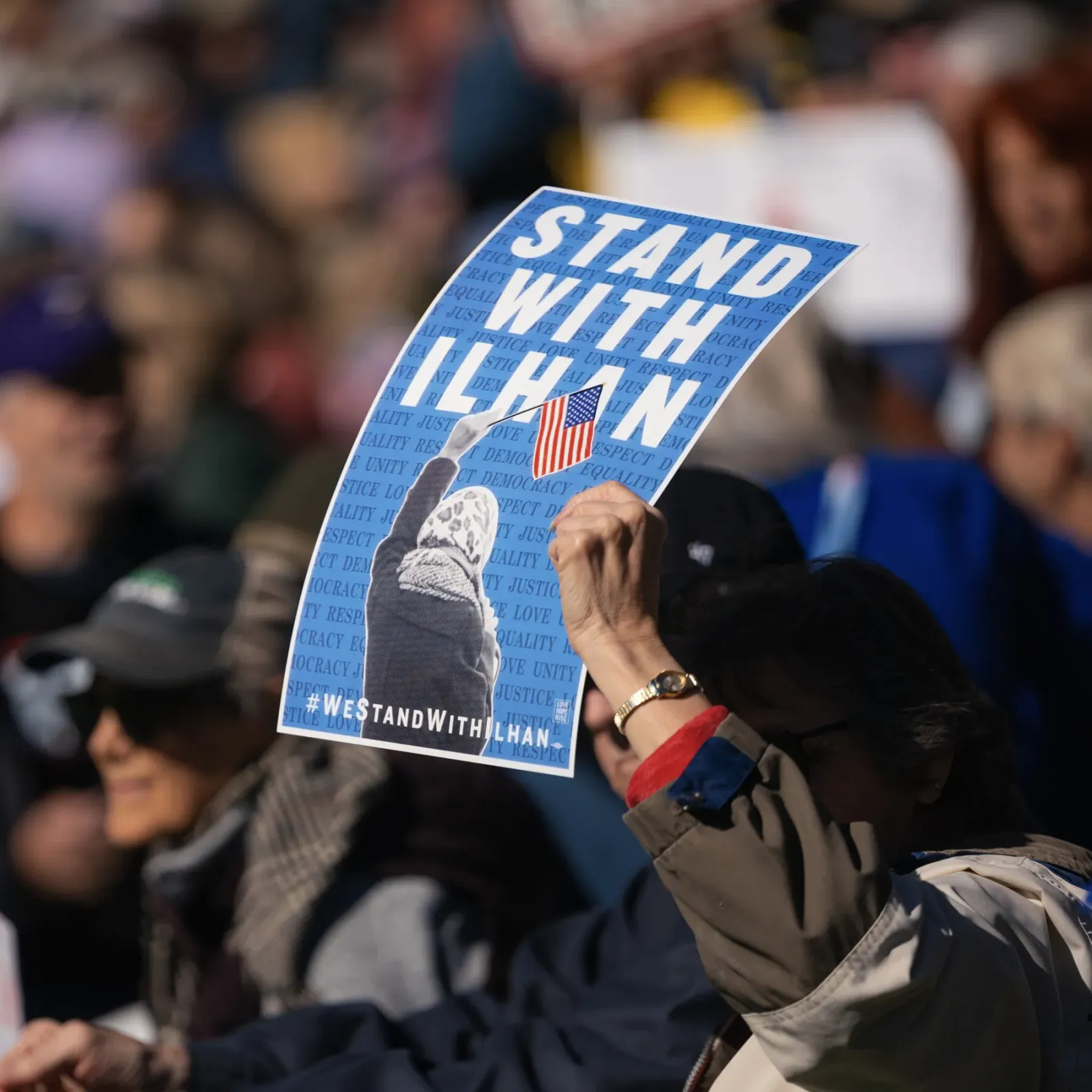
Obama Defends Ilhan Omar After Agents Search Her Home in Trump Inquiry
The former president's intervention raises the stakes in a federal probe into immigration paperwork that has put a prominent progressive lawmaker in the crosshairs.

Blair-era minister: cut welfare to fund youth job support
Alan Milburn's call for welfare cuts to fund employment support opens a Labour fight over benefits and the Neet crisis.
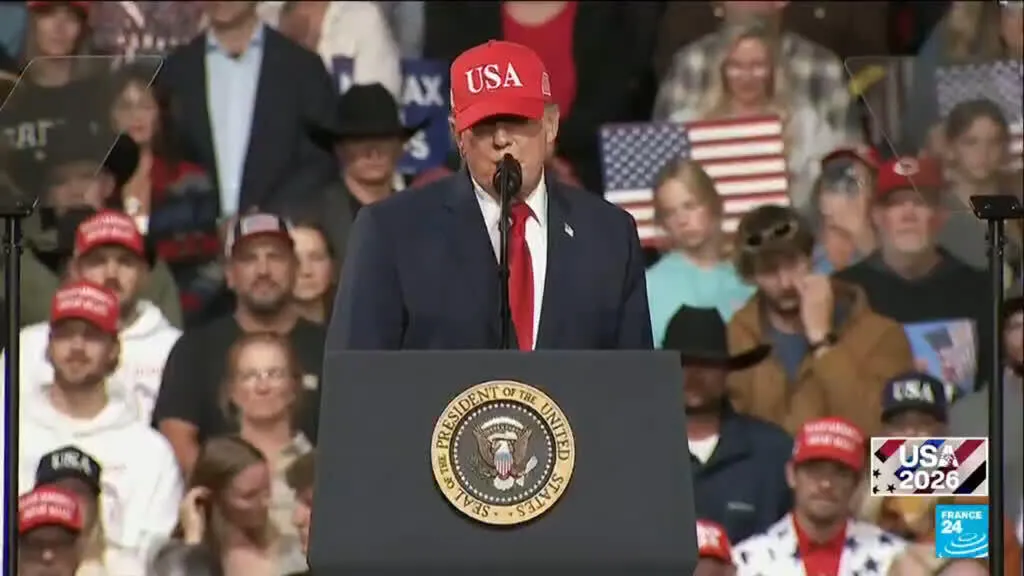
Hot September CPI: energy costs surge, voters feel the squeeze before midterms
The latest inflation print lands as Trump campaigns for GOP control of Congress, putting cost-of-living worries at the center of the midterm fight.