
DOJ subpoenas New York Times reporters to compel Air Force One grand jury testimony
Federal agents visited Times journalists ahead of next week’s grand jury over Air Force One coverage tied to Qatar.
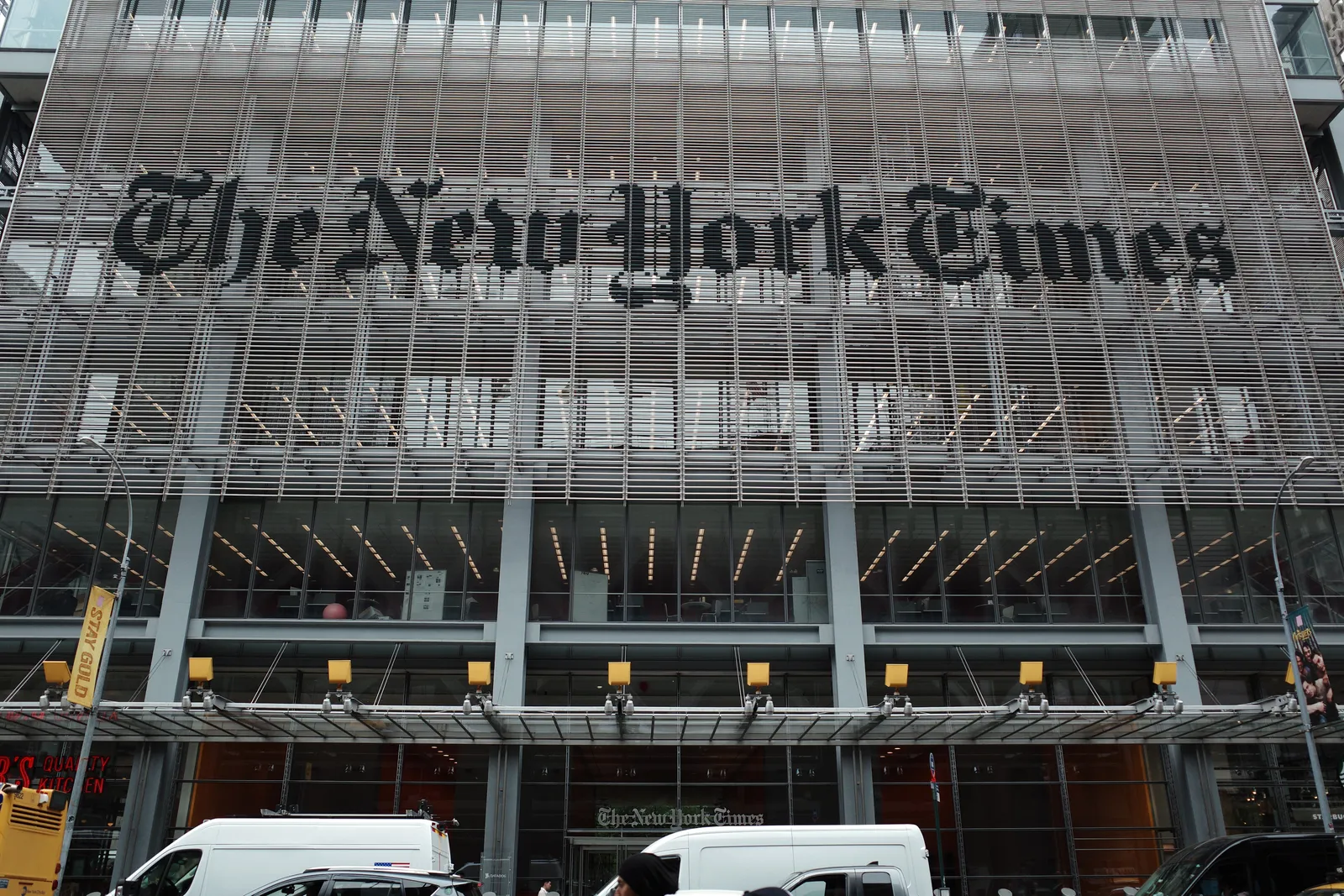
The Justice Department subpoenaed New York Times reporters after federal agents showed up at multiple journalists' homes. The move targets their coverage of an Air Force One plane gifted to Trump by Qatar and is designed to force grand jury testimony next week.
The Justice Department subpoenaed New York Times reporters after federal agents showed up at several journalists' homes on Friday night, according to the Times. The objective is straightforward and high-pressure: compel testimony before a grand jury next week over the paper's coverage of Air Force One, including reporting tied to a Qatar gift to Trump.
For executives who care about risk, this is one of those stories where the operational details matter almost as much as the headline. The Times says the agents turned up on the doorsteps of multiple journalists specifically to force grand jury testimony next week, linking the inquiry to the paper’s reporting about the Air Force One plane gifted to Trump by Qatar. That sequencing matters because it suggests a tight timeline, with the legal process pressing into the newsroom right now, not months from now.
Zoom out slightly and the power dynamic starts to look familiar to anyone who has watched governments test boundaries. Grand juries are built to investigate and gather evidence without the same public scrutiny as a courtroom. When subpoenas land on journalists, the friction point is not only the facts under investigation, but the channel through which those facts became known. In practice, this can put editorial teams and legal teams into a sprint. They have to assess what was published, what sources might be involved, what can be said in testimony, and how to preserve whatever protections the law provides.
There is also a second-order effect executives should recognize: this is a reputational and governance stress test for media and for the broader information ecosystem. When federal agents appear at reporters’ homes, it is not just a procedural move. It is a signal. It tells the newsroom community, and anyone watching the media market, that the state is willing to use compulsory legal tools to reach into reporting. That tends to change how organizations think about documentation, source management, and internal review processes.
For decision-makers at companies that interact with governments, the story is a reminder that compliance is not only about what your organization does. It is also about what gets written, said, or investigated about what you do. The Air Force One reporting at the center of this case, involving an Air Force One plane gifted to Trump by Qatar, sits at the intersection of national security, foreign involvement, and political influence. Those categories are exactly where regulators and prosecutors often look for evidence that goes beyond standard recordkeeping, including how information is obtained and how it is framed for the public.
The grand jury trigger also raises the question of timeline and leverage. The Times says the testimony is next week. In legal terms, that compressed window can increase the cost of preparation, the likelihood of fast-moving negotiations, and the pressure on counsel to decide quickly what objections to raise and what steps to take to protect rights. In organizational terms, it can force leadership into rapid alignment between newsroom operations and legal strategy, leaving less time for internal deliberation.
And it is not only the Times that has something to watch. When one major newsroom becomes the target of compulsory process tied to politically sensitive reporting, peers tend to pay attention. Even if the details differ in other matters, the broader pattern can influence how boards think about legal risk, how executive teams communicate during uncertainty, and how stakeholders interpret corporate silence or statements. The market implication is subtle: when government inquiries escalate in public view, information risk becomes enterprise risk, even for companies far from the newsroom.
Strategically, the stake for executives is the same as in any high-stakes legal moment: control the variables you can, prepare for the ones you cannot, and avoid assuming that the process will stay contained. Here, the Times says federal agents turned up on journalists’ doorsteps Friday night to force grand jury testimony next week, tied to reporting about the Air Force One plane gifted to Trump by Qatar. If you lead an organization facing regulatory scrutiny, this is a clear signal to tighten governance around records, review how publications and communications relate to legal exposure, and recognize that the public narrative can become part of an investigation.
This story's Key Insights and Take-aways are locked.
Create a free account to unlock Executive Actions for one credit.
Register to UnlockAlways free for Executives Club members. Join the Club
More in Politics

Glacial collapse, not rain, killed 180 in Nepal's Himalayan flood
The Himalaya's extreme geography hid the true cause of Nepal's catastrophic flood, a glacial collapse that turned a geological battleground into a mass-casualty zone.
Iran’s Esmail Baghaei says Oman talks start shipping via Hormuz, not US talks yet
Temporary route plans with Oman aim to restart commerce while Tehran says Washington dialogue is not on the table.

Standards watchdog opens probe into Reform UK deputy leader Richard Tice over interests
The parliamentary standards commissioner says it began an investigation on 28 July into a possible undeclared interest.