

Whitehouse expands Kennedy Center spending probe, alleging mismanaged federal funds
The senator says leadership mishandled appropriations, expanding scrutiny that could reshape how the center reports and governs money.
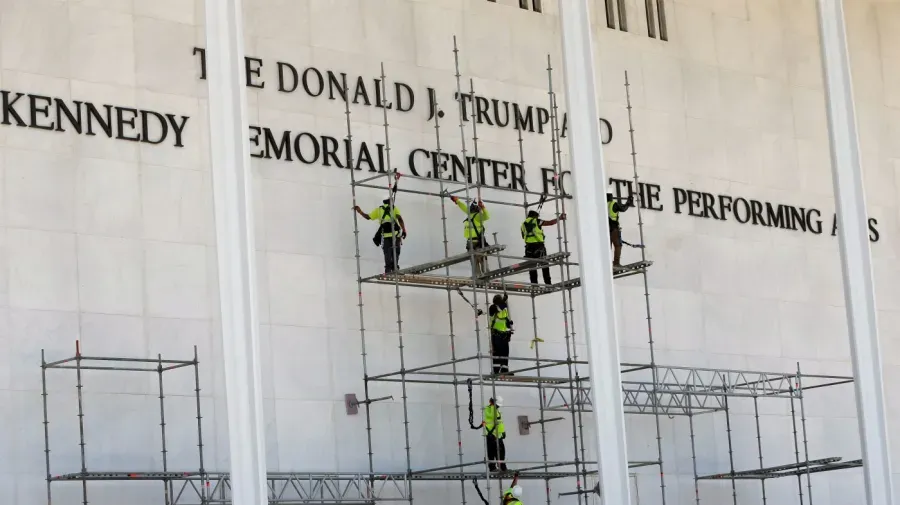
Sen. Sheldon Whitehouse (D-R.I.) expanded a probe into alleged corruption tied to Kennedy Center for Performing Arts spending. In a July 9 letter to Executive Director Matt Floca, Whitehouse accused leadership of mismanaging federally appropriated funds and said he obtained whistleblower information.
Sen. Sheldon Whitehouse (D-R.I.) is escalating his probe into the Kennedy Center for Performing Arts, accusing its leadership of mismanaging federally appropriated funds “to the detriment” of the venue. The senator’s move is anchored to a July 9 letter to Executive Director Matt Floca, in which Whitehouse said he had obtained whistleblower information and then expanded the scrutiny of how the Kennedy Center handles public money.
This matters because the Kennedy Center is not just a beloved cultural landmark. It is also a recipient of federal appropriations, and that combination creates a higher bar for internal controls, documentation, and reporting. When a senator frames alleged mismanagement as harming the institution itself, the risk is no longer limited to internal reputation. It becomes a governance and compliance story with potential fallout for leadership and the oversight ecosystem around the venue.
To understand why Whitehouse’s expansion of the probe is such a sharp escalation, you have to remember what lawmakers generally do with whistleblower-led information. In federal oversight, whistleblowers can supply the missing pieces that turn vague concerns into something regulators can test: timelines, specific processes, and patterns in spending that ordinary public summaries might not show. Whitehouse’s letter to Floca indicates he believes he has more than a complaint. He says he has information from whistleblowers, and he is taking that to the top of the organization.
There is also a board-level implication here, even if the source focuses on the executive director. The Kennedy Center’s leadership structure means that when appropriated funds are in play, oversight is supposed to be layered: executive management runs the day-to-day, but the governance body provides assurance that controls work and that red flags do not get normalized. A senator alleging mismanagement “to the detriment” of the venue is essentially putting pressure on the full chain of responsibility, not just the person writing the checks.
The phrase “mismanaging federally appropriated funds” is a big deal in U.S. institutions because federal dollars come with a compliance framework that is usually more rigid than private fundraising. Appropriations typically bring requirements tied to allowable uses, documentation, reporting, and internal audit expectations. Even when programs are complex and nonprofit missions are nuanced, the money is not. It creates a kind of administrative gravity that pulls organizations toward stricter processes, more formal review, and clearer accountability.
So what changes when a Senate Democrat expands a probe like this? First, it usually increases scrutiny of how decisions are documented. Whistleblower allegations often prompt requests for records: spending justifications, vendor relationships, internal approvals, and follow-up steps when issues arise. Second, it can accelerate internal audits or compliance reviews, because leadership has to show it is not waiting passively for the next subpoena. Third, it can change how future budgeting is handled, since institutions start treating certain categories of spending as higher risk when lawmaker attention is on.
From an incentives perspective, this is where second-order effects start to bite. Executives and boards do not just manage for culture. They manage for survivability. When a senator’s office frames federal funding as being mishandled, the institution faces a dual problem: defending the integrity of its spending while also making immediate improvements to processes that can withstand scrutiny. That can divert time and attention away from programming and operations, even as the mission pressure stays the same.
For peers, the strategic lesson is simple and uncomfortable. The Kennedy Center is “renowned,” but reputational strength does not immunize an organization from oversight when federal funds are involved. For nonprofit leaders, arts administrators, and public-facing institutions, the combination of whistleblower allegations and congressional escalation is a reminder that governance is not a paperwork exercise. It is the system that protects the organization when information surfaces, narratives harden, and scrutiny becomes formal.
Whitehouse’s July 9 letter to Matt Floca, and his decision to expand the probe, signals that the oversight clock is already running. The key stake for decision-makers is whether the center can demonstrate that appropriated funds are handled properly, that internal controls are effective, and that any issues are addressed quickly enough to prevent the story from moving from “allegations” to “findings.” In Washington, that transition can happen fast, and the cost is often paid by leadership first.
This story's Key Insights and Take-aways are locked.
Create a free account to unlock Executive Actions for one credit.
Register to UnlockAlways free for Executives Club members. Join the Club
More in Politics

Glacial collapse, not rain, killed 180 in Nepal's Himalayan flood
The Himalaya's extreme geography hid the true cause of Nepal's catastrophic flood, a glacial collapse that turned a geological battleground into a mass-casualty zone.

Iran’s Esmail Baghaei says Oman talks start shipping via Hormuz, not US talks yet
Temporary route plans with Oman aim to restart commerce while Tehran says Washington dialogue is not on the table.

Standards watchdog opens probe into Reform UK deputy leader Richard Tice over interests
The parliamentary standards commissioner says it began an investigation on 28 July into a possible undeclared interest.