
Trump reposts hijab comments from Somali kindergarten video, sparking Minnesota backlash
Minnesota’s Somali and Muslim communities are angry after the president reposted a kindergarten promotion clip with hijab remarks.
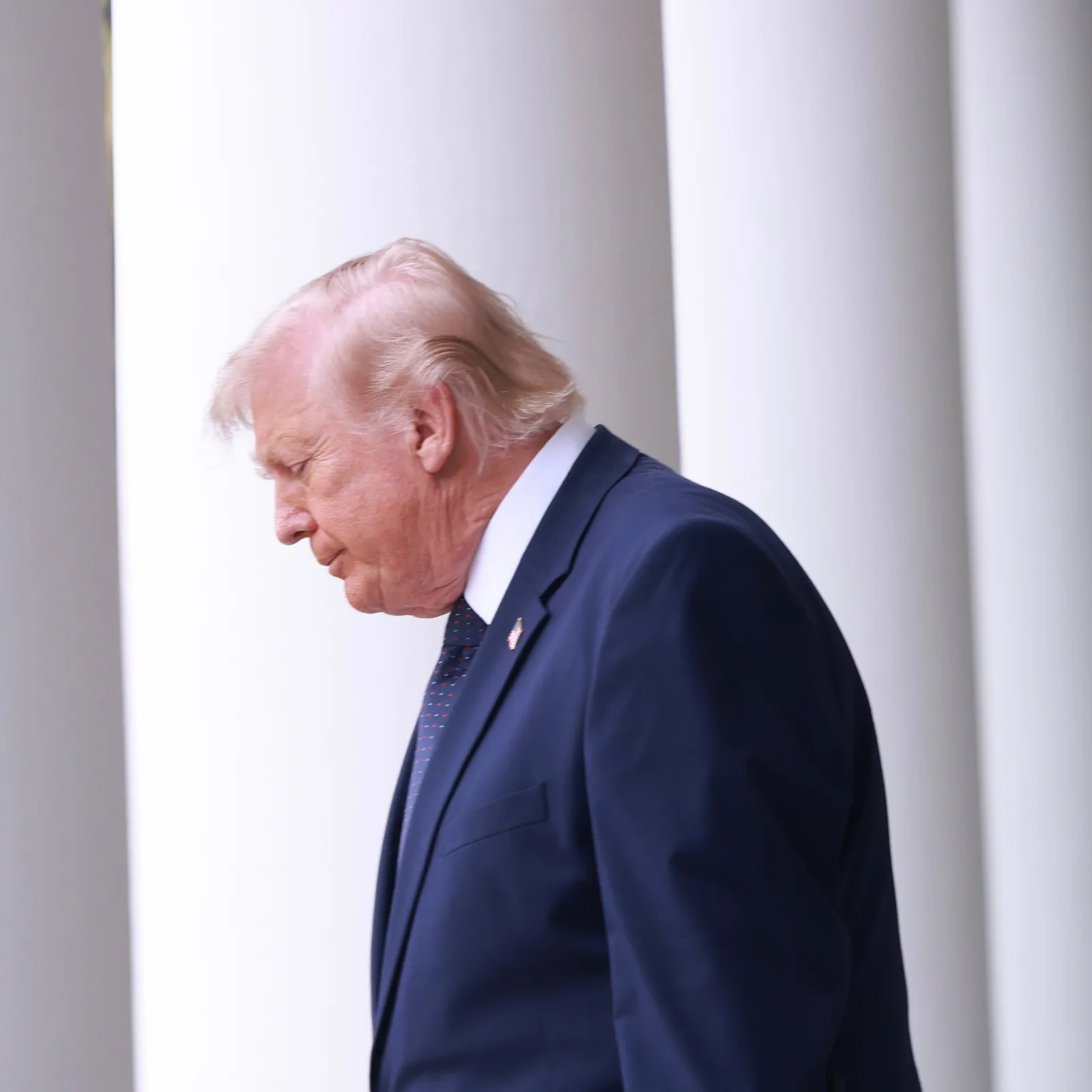
President Donald Trump reposted a video of a kindergarten promotion ceremony that included comments noting girls were in hijabs, drawing anger in Minnesota. For decision-makers, the episode shows how fast political content can become a reputational and governance risk for institutions tied to the affected communities.
President Donald Trump reposted a video of a kindergarten promotion ceremony, including comments noting the girls were in hijabs, and it immediately stirred anger in Minnesota. The New York Times reports that Minnesota’s large Muslim and Somali communities expressed indignation after the president reposted the clip. For anyone watching risk in public institutions, this is a small moment on the calendar that can turn into a big trust event in the real world.
Why the speed matters: children, schools, and community identity do not sit in a neutral zone. The content is inherently personal, and it travels. A repost is not the same as an original post. It signals endorsement or at least willingness to amplify. When that amplification includes details framed in a way that some people experience as disrespectful, the backlash is not hypothetical. In this case, the Times is explicit that Minnesota’s large Muslim and Somali communities expressed indignation after the repost, particularly tied to the hijab comments.
Minnesota is not a random backdrop here. The state has a large Muslim and Somali presence, and immigrant communities tend to evaluate public behavior through a lens of belonging and safety. School ceremonies are usually about achievement and community pride. But when political messaging intersects with religious expression in a school context, the symbol shift is dramatic. It is not just “a video.” It is the relationship between public institutions, community norms, and political incentives.
For executives, the immediate lesson is reputational: audiences do not separate “politics” from “practice.” Even if a company, nonprofit, or school system did not create the content, amplification by a president can change how stakeholders interpret downstream events, including communications, partnerships, and staffing choices. Minnesota’s reaction underscores how identity-linked remarks can quickly move from social media to lived experience. That can affect enrollment decisions, volunteer pipelines, employee morale, and donor confidence. The second-order risk is that leaders may see political volatility and mistakenly treat it as temporary noise rather than a durable trust signal.
There is also a governance angle. In many organizations, leaders build playbooks for “controversial content,” often centered on brand safety and platform moderation. But this case illustrates another category: content that touches religion and children. That combo raises the stakes for any institution interacting with families and community partners. Internal stakeholders ask different questions. Not “Is this allowed?” but “What does it mean for our relationship with the community we serve?” And not “Will this blow over?” but “Are we prepared for the backlash that follows amplification by high-visibility political actors?”
Regulatory background may not be the headline of this story, but the structure of risk is familiar. Public institutions and organizations that receive certain forms of government support often have compliance expectations around nondiscrimination and equitable treatment. When political rhetoric highlights religious attire in a school setting, organizations may need to reinforce policies and training, not because the clip itself creates a new rule, but because it changes how people will test boundaries. The Times account is about anger and indignation, but the operational implication is that leaders may be pulled into mediation efforts, public meetings, and internal investigations driven by community concern.
The strategic stakes extend beyond Minnesota. The episode is a reminder that political leaders can generate national-level attention with local-level triggers. When a president reposts a kindergarten promotion ceremony, it invites commentary that can reframe religious practice as political theater. For boards and executive teams, the question is not whether they share the views being expressed. The question is whether they are ready to handle stakeholder response when a symbol becomes a flashpoint. That includes crafting messages that respect community identity, coordinating with legal and compliance teams where appropriate, and ensuring front-line leaders are not improvising under pressure.
If you are running a school district, a community-facing nonprofit, a health system serving immigrant populations, or a company with a major footprint in diverse metros, this is the kind of moment that tests institutional credibility. Minnesota’s large Muslim and Somali communities expressed indignation after the repost and the hijab comments, which means the story is already doing what political content often does: forcing organizations to choose between silence, defensiveness, or engagement. The best-prepared leaders treat these moments as governance events, not PR emergencies.
This story's Key Insights and Take-aways are locked.
Create a free account to unlock Executive Actions for one credit.
Register to UnlockAlways free for Executives Club members. Join the Club
More in Politics

Glacial collapse, not rain, killed 180 in Nepal's Himalayan flood
The Himalaya's extreme geography hid the true cause of Nepal's catastrophic flood, a glacial collapse that turned a geological battleground into a mass-casualty zone.

Iran’s Esmail Baghaei says Oman talks start shipping via Hormuz, not US talks yet
Temporary route plans with Oman aim to restart commerce while Tehran says Washington dialogue is not on the table.

Standards watchdog opens probe into Reform UK deputy leader Richard Tice over interests
The parliamentary standards commissioner says it began an investigation on 28 July into a possible undeclared interest.