

Ed Davey demands action after Musk foundation brings Tommy Robinson to Moscow
The UK faces a democracy-defense reckoning as lawmakers question far-right access backed by Elon Musk’s family foundation.
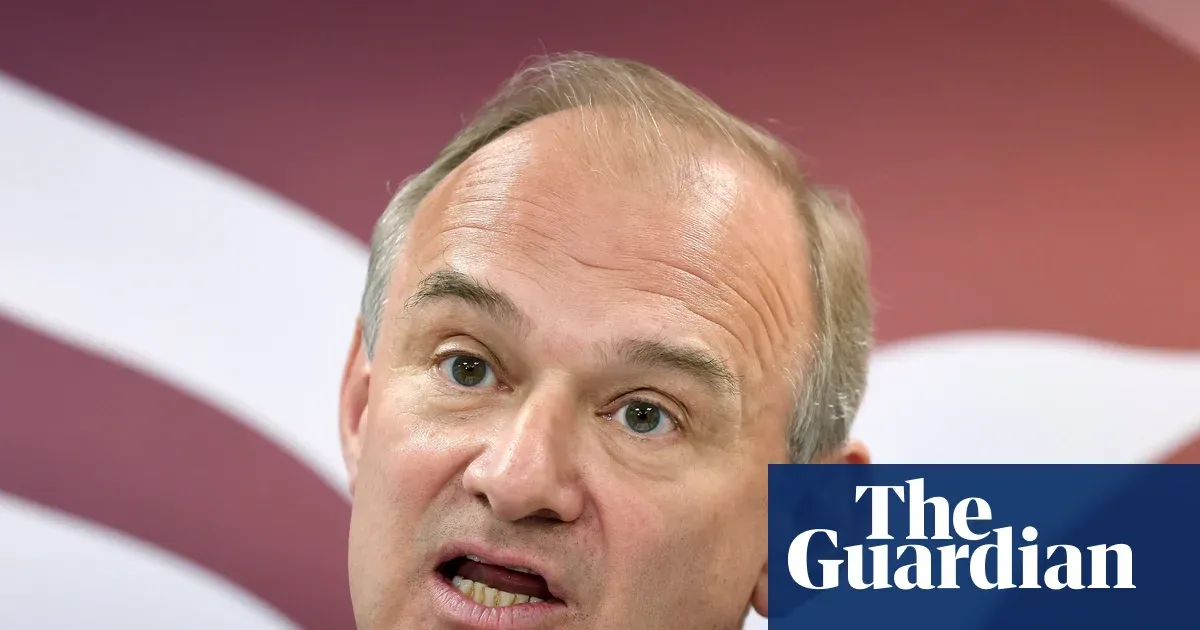
Ed Davey said he is concerned that Elon Musk’s family foundation brought far-right activist Tommy Robinson, whose real name is Stephen Yaxley-Lennon, to Russia. The consequence for decision-makers is a sharper debate over foreign influence, democratic safeguards, and who gets legitimacy through elite networks.
Ed Davey is pushing the UK to do more to defend its democracy after reporting that Elon Musk’s family foundation took far-right activist Tommy Robinson to Moscow. Davey’s concern centers on the fact that Robinson, whose real name is Stephen Yaxley-Lennon, was brought to Russia by people connected to the Musks, including the billionaire tech mogul’s father, according to the Guardian.
This matters because the story is not framed as a routine travel arrangement. It is being treated as a democratic risk question: what happens when political activists with extremist reputations gain international visibility or access through wealthy, high-profile backers. In that context, Davey’s call for the UK to defend its democracy is less about the trip itself and more about what the trip signals to institutions, voters, and would-be influencers.
To understand why this has become a political problem, you need to remember how credibility works in modern politics. Far-right figures often seek legitimacy through platforms that are not directly ideological, like mainstream media attention, international speaking opportunities, or access to prominent networks. When a foundation associated with Elon Musk is named in connection with a visit to Moscow by a controversial activist, it raises the question of whether the act is neutral. Even if the foundation’s intent is not to steer policy, elite endorsement by proximity can still change the narrative arc for an extremist movement.
There is also a governance and oversight angle that executives and board members should care about, even if your day job is not UK politics. Philanthropy and private funding sit in a tricky regulatory zone. In many jurisdictions, non-governmental organizations have different reporting obligations than public entities, and private donors can have outsized influence without always triggering the same scrutiny as a traditional government channel. That does not mean oversight is absent, but it does mean decision-makers need to think about how reputational risk can become regulatory risk fast, especially when the visitor list includes actors linked to political extremism.
In the UK specifically, this kind of moment tends to pull multiple systems into the same spotlight: democratic institutions, foreign policy concerns, and media narratives. The Guardian article, as summarized in the provided source text, frames Davey’s reaction as a demand for stronger defense of UK democracy. In practical terms, lawmakers and regulators often respond to these events by asking new questions about transparency, due diligence, and whether existing safeguards are adequate for cross-border engagement.
Second-order implications are easy to miss, but they can be the real story for leaders who fund causes, partner with organizations, or sit on boards. When a high-profile foundation is linked to a controversial political activist’s travel, the knock-on effects can include public pressure on the foundation itself, calls for investigations, and demands that charities and grantmakers tighten screening of recipients. Even without new laws, boards may see a shift in what counts as “responsible conduct,” where reputation becomes a risk metric, not just a branding concern.
The same applies to the people who operate at the intersection of technology, wealth, and public discourse. Elon Musk’s name carries global attention, and the family foundation’s actions are likely to be interpreted through that lens. That increases the chance that any controversial association becomes a proxy debate about whether powerful private actors are shaping political environments, directly or indirectly, in ways governments cannot easily control. For Davey, the frame is direct: the UK must do more to defend its democracy. For executives, the frame is indirect but still serious: scrutiny spreads outward from the targeted visit to the broader ecosystem of funding, partnerships, and influence.
So the stake is not just Russia or one activist trip. The stake is whether democratic institutions can keep a clear boundary between legitimate civic engagement and extremist movements gaining momentum through high-profile sponsorship. If the UK public and lawmakers decide that current safeguards are insufficient, the pressure can translate into more aggressive oversight demands for foundations and nonprofits more broadly. For boards and leaders in similar positions elsewhere, the warning is clear: when elite money intersects with controversial politics and foreign travel, reputational risk can become a governance emergency before anyone has time to prepare.
This story's Key Insights and Take-aways are locked.
Create a free account to unlock Executive Actions for one credit.
Register to UnlockAlways free for Executives Club members. Join the Club
More in Politics

Glacial collapse, not rain, killed 180 in Nepal's Himalayan flood
The Himalaya's extreme geography hid the true cause of Nepal's catastrophic flood, a glacial collapse that turned a geological battleground into a mass-casualty zone.

Iran’s Esmail Baghaei says Oman talks start shipping via Hormuz, not US talks yet
Temporary route plans with Oman aim to restart commerce while Tehran says Washington dialogue is not on the table.
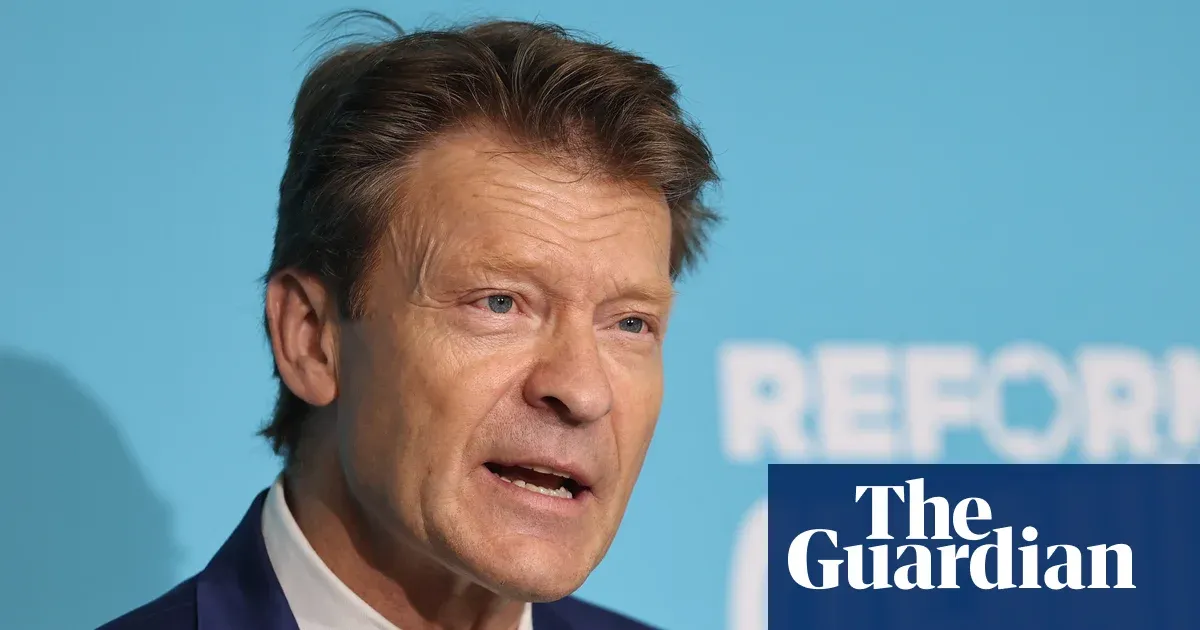
Standards watchdog opens probe into Reform UK deputy leader Richard Tice over interests
The parliamentary standards commissioner says it began an investigation on 28 July into a possible undeclared interest.