
Elizabeth Warren presses Jamie Dimon to explain JP Morgan’s Epstein contact
The Senate Banking chair asks whether advice from Jeffrey Epstein shaped lobbying against a UK bonus tax.
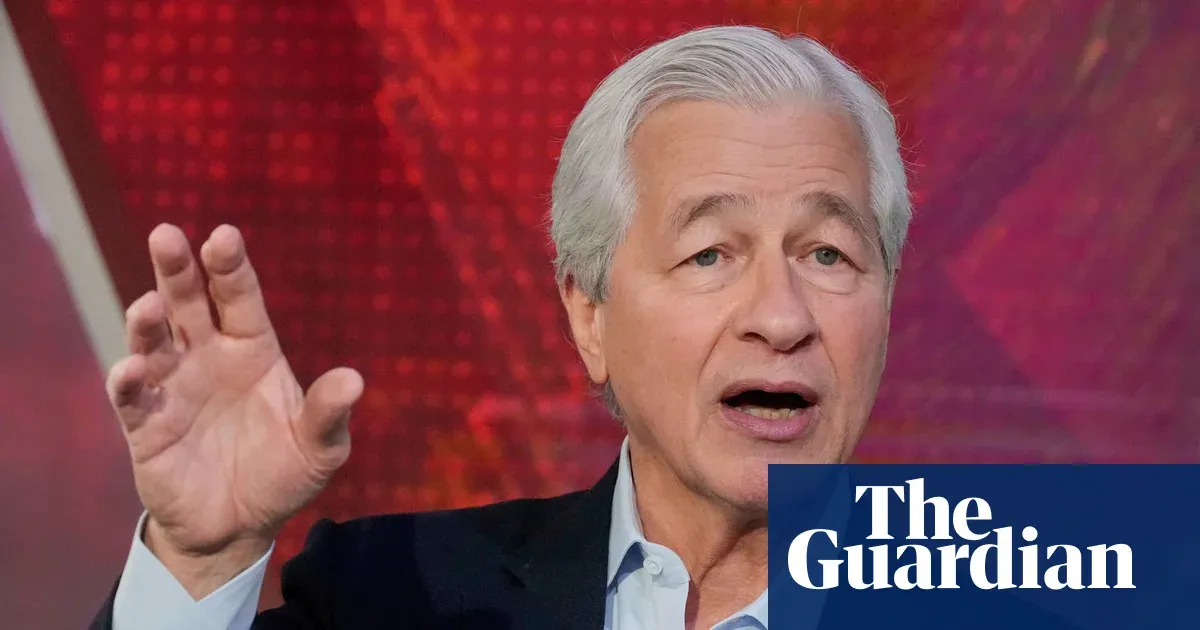
Senator Elizabeth Warren, the top Democrat on the Senate Banking Committee, wrote to JP Morgan Chase CEO Jamie Dimon seeking clarification about the bank's contact with Jeffrey Epstein. The inquiry lands as lawmakers scrutinize how major banks influence regulation and political outcomes tied to executive compensation.
Senator Elizabeth Warren has written to Jamie Dimon, JP Morgan Chase’s boss, requesting clarification about the bank’s contact with Jeffrey Epstein. In the letter, Warren presses on a specific allegation of influence: whether Dimon took advice from Epstein while lobbying against a UK tax on bankers’ bonuses.
This is not a vague morality question. Warren’s timing and framing connect two tracks that regulators and boards care about at the same time: high-profile misconduct involving a child sex offender, and the political machinery banks use when compensation rules, tax policy, and financial regulation are on the line. Warren wrote last week to Dimon, and the letter was published by the US Senate’s Committee on Banking, Housing and Urban Affairs.
To understand why this matters beyond the headline, you have to look at how large banks operate in the policy ecosystem. When a jurisdiction proposes or adjusts rules that touch pay, bonuses, or tax treatment, the banking industry typically treats it like a direct hit to earnings structure. Bonuses are not just “payroll,” they are tied to performance measurement and the incentives that executives, traders, and deal teams chase. That means banks have a strong reason to lobby, testify, draft language, and coordinate positions through industry groups and direct relationships.
Now layer on the Epstein detail. Epstein, described here as a “child sex offender,” represents a category of reputational and compliance exposure that is qualitatively different from a standard ethics scandal. If a major institution had any contact with someone like that, the board has to ask not only “did it happen,” but “what did they know, when did they know it, and what processes failed or succeeded.” Warren’s letter essentially demands a straight answer on those questions by asking whether Epstein offered advice that influenced a lobbying effort against a UK bonus tax.
There’s also a second-order problem for leadership: internal governance. Banks run on committees, legal review, compliance controls, and documented approvals for government-facing activity. If lobbying is alleged to have been informed by guidance from a discredited figure, it forces executives and directors to test how much of the institution’s external strategy was shaped by formal channels versus informal channels. Even if the lobbying position itself was developed through normal internal workstreams, Warren’s question puts pressure on the evidence trail.
This is where the Senate banking committee’s role raises the stakes. Warren is described as the top Democrat on the Senate banking committee. When a senior senator uses a public letter, the goal usually goes beyond fact-finding. It signals to regulators, auditors, and other legislators that the matter should be treated as an oversight priority, which in turn can increase the chance of follow-on scrutiny across similar institutions. For a bank’s peers, the message is that compensation-related policy fights are not immune from reputational risk, and that compliance obligations include how leadership engagement is interpreted.
For Dimon and JP Morgan, the immediate consequence is reputational and procedural: Warren is seeking clarification, which typically means the institution must respond with specificity. The letter asks whether Dimon took advice from Epstein in connection with lobbying against the UK tax on banker bonuses. Even without any new penalties announced in the source, the demand creates momentum that boards cannot ignore. In modern governance, a public exchange between a bank CEO and a top Senate Democrat becomes part of the compliance record, part of investor due diligence, and part of how future regulators interpret the culture of control.
For other financial leaders, the strategic implication is simple but uncomfortable. Policy influence is normal. Lobbying on tax treatment of bonuses is normal. But the sources of influence, the relationships involved, and the reputational associations attached to those relationships are now directly in the crosshairs. Warren’s letter is a reminder that executive compensation politics can trigger oversight far bigger than the original tax proposal, especially when the question involves a figure as notorious as Jeffrey Epstein. In the end, this is about trust in the systems that translate leadership decisions into public positions, and whether those systems can withstand a public, political interrogation.
This story's Key Insights and Take-aways are locked.
Create a free account to unlock Executive Actions for one credit.
Register to UnlockAlways free for Executives Club members. Join the Club
More in Politics

Glacial collapse, not rain, killed 180 in Nepal's Himalayan flood
The Himalaya's extreme geography hid the true cause of Nepal's catastrophic flood, a glacial collapse that turned a geological battleground into a mass-casualty zone.

Iran’s Esmail Baghaei says Oman talks start shipping via Hormuz, not US talks yet
Temporary route plans with Oman aim to restart commerce while Tehran says Washington dialogue is not on the table.

Standards watchdog opens probe into Reform UK deputy leader Richard Tice over interests
The parliamentary standards commissioner says it began an investigation on 28 July into a possible undeclared interest.