
Europe’s heat wave revives sunscreen safety rumors, and regulators are stuck clearing them
When online claims flare during extreme heat, executives need to know what’s evidence, what’s panic, and what changes next.

Deutsche Welle reports that as a heat wave sweeps across Europe, online claims are resurfacing about whether sunscreen is safe or linked to skin cancer risk. For decision-makers, the operational and reputational consequence is clear: misinformation during peak demand can drive consumer distrust and complicate brand and regulatory scrutiny.
A heat wave sweeping across Europe has re-ignited a familiar internet cycle: sunscreen safety rumors suddenly go viral. Deutsche Welle reports that claims are resurfacing online questioning whether sunscreen is safe or linked to skin cancer risk. In other words, when people most need sun protection, they are also being told, loudly, to doubt the very product designed to help.
The immediate question for consumers is simple: should you trust sunscreen? But for executives, the more urgent question is what happens to a trusted safety tool when misinformation spikes at the same time as demand and public attention. During extreme heat, search trends and social posts rise together. That means brands are not only competing on availability and messaging. They are also fighting a separate market, one made of fear, false equivalence, and half-understood science.
To understand why this keeps happening, it helps to know how sunscreen became a mainstream product in Europe in the first place. Broadly, regulators have treated skin cancer risk as a public health issue and sunscreen as a risk-reduction tool, not a cosmetic accessory. That regulatory framing matters because it sets expectations: sunscreen is supposed to reduce harmful ultraviolet exposure. When online narratives claim sunscreen causes harm or increases skin cancer risk, they challenge the premise that has underpinned labeling, consumer habits, and public health messaging.
At the same time, it is not unusual for complex topics like UV exposure and skin biology to produce misleading “gotchas” on the internet. People see a study, a suspicious headline, or a graphic without context and convert it into a blanket claim. The risk management problem for companies and boards is that sunscreen is a high-trust category. When trust erodes, the impact is disproportionate: consumers may reduce use, switch brands, demand additional proof, or delay purchase. That can hit revenue, but it also changes how regulators and journalists approach the brand next.
The strategic angle is that heat waves create a perfect storm. The public mood shifts from “summer routine” to “survival mode,” and that environment accelerates belief formation. Deutsche Welle’s framing is specific: claims are resurfacing online, questioning sunscreen safety or linking it to skin cancer risk. That is the exact kind of claim that spreads quickly because it combines two things people already care about, sun exposure and cancer, and it does not require technical literacy to repeat.
Executives should also consider how regulatory scrutiny can evolve during these moments. Even if most misinformation is incorrect or incomplete, misinformation can still generate legitimate questions in media coverage and consumer complaints. That, in turn, can prompt companies to respond more formally, clarify labeling, update risk communication, or coordinate with regulators. The board-level issue is that resources get pulled toward crisis management. Meanwhile, customer acquisition becomes harder because attention is noisy and trust is the scarce commodity.
There is a second-order market implication too: competitors benefit unevenly. If consumers decide to stop using sunscreen entirely, everyone loses, but brands with stronger trust signals, clearer compliance posture, and better educational content may hold share. Conversely, any perceived ambiguity can widen the gap. In practice, misinformation can turn a product category into a debate about institutions. That is rarely a good place for companies to be, especially when the original mission is straightforward: protect skin from UV damage.
So what should leadership do with this? Treat the heat wave as more than a seasonal spike. Deutsche Welle’s report is a reminder that online claims are not static background noise. They are a moving force during the exact period when consumers are making health decisions in real time. For boards and executives, the stake is trust at the speed of a viral post. If you can’t explain what the product does, how safety evidence is interpreted, and why the category exists, misinformation will fill the void. And when the void fills with fear, it does not just change sales. It changes behavior. That is the risk.
This story's Key Insights and Take-aways are locked.
Create a free account to unlock Executive Actions for one credit.
Register to UnlockAlways free for Executives Club members. Join the Club
More in Politics
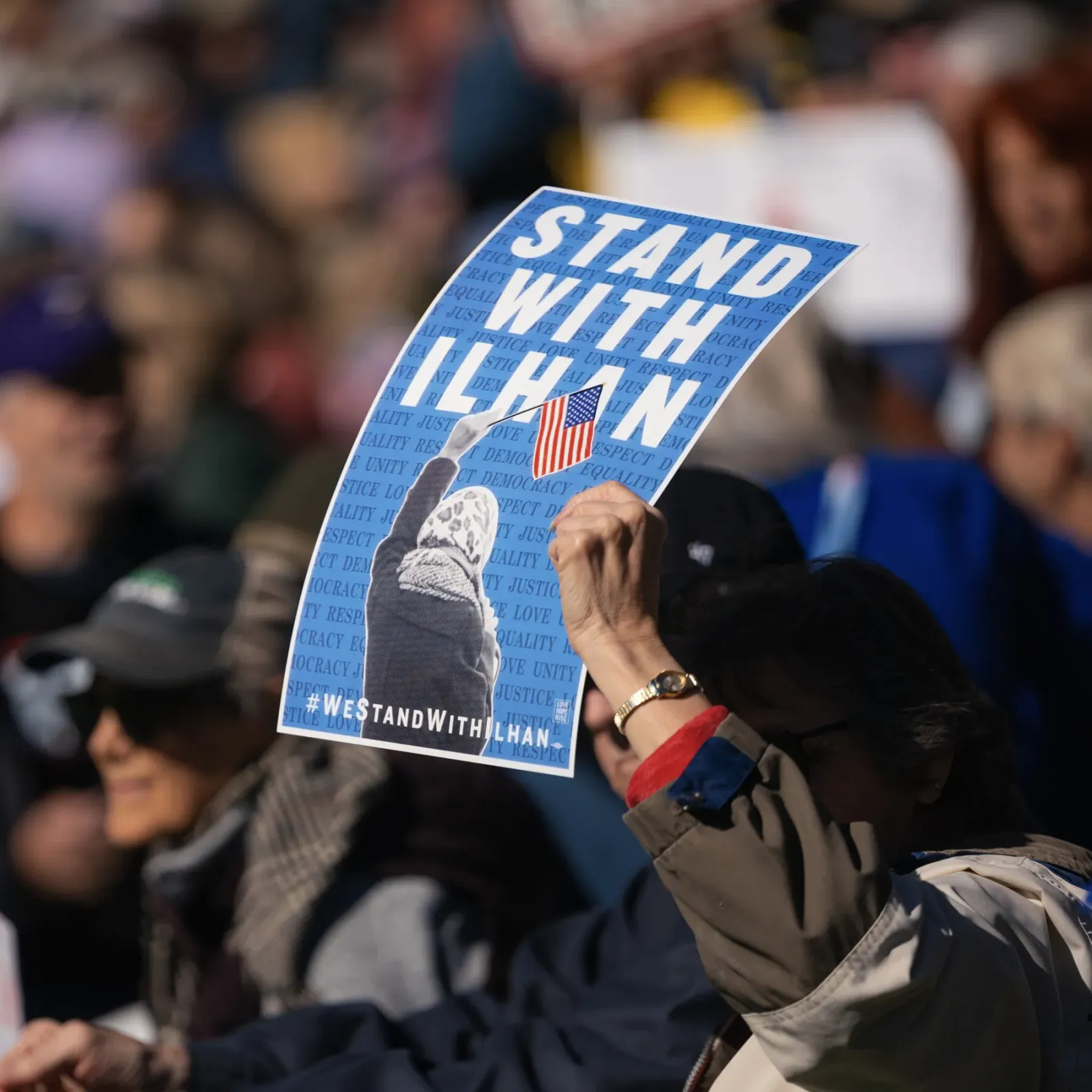
Obama Defends Ilhan Omar After Agents Search Her Home in Trump Inquiry
The former president's intervention raises the stakes in a federal probe into immigration paperwork that has put a prominent progressive lawmaker in the crosshairs.

Blair-era minister: cut welfare to fund youth job support
Alan Milburn's call for welfare cuts to fund employment support opens a Labour fight over benefits and the Neet crisis.
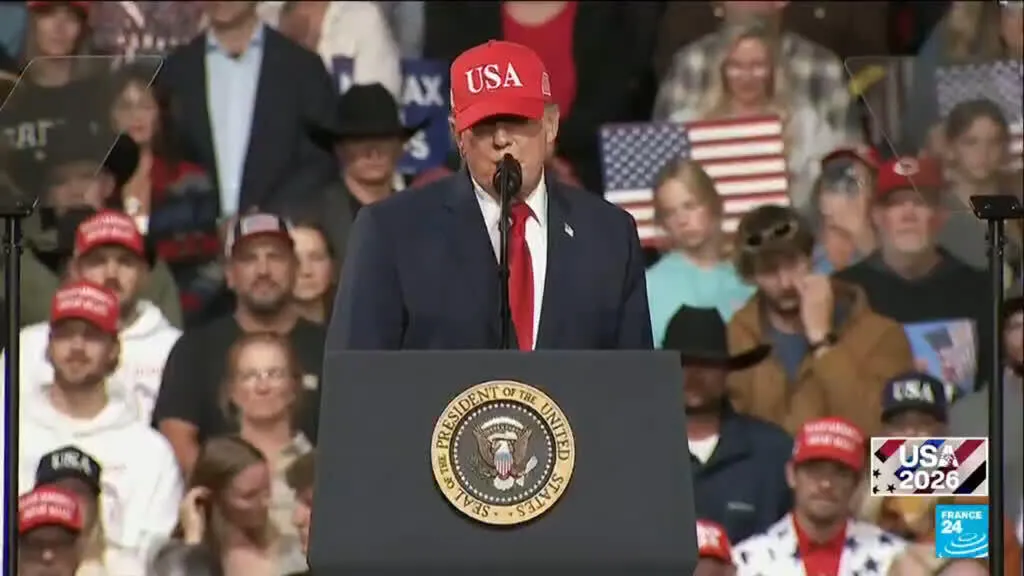
Hot September CPI: energy costs surge, voters feel the squeeze before midterms
The latest inflation print lands as Trump campaigns for GOP control of Congress, putting cost-of-living worries at the center of the midterm fight.