
Farage’s £5m Thailand gift is under standards review, sharpening UK donation transparency rules
The rules allow certain gifts to be declared only if they are political, but scrutiny is widening fast.
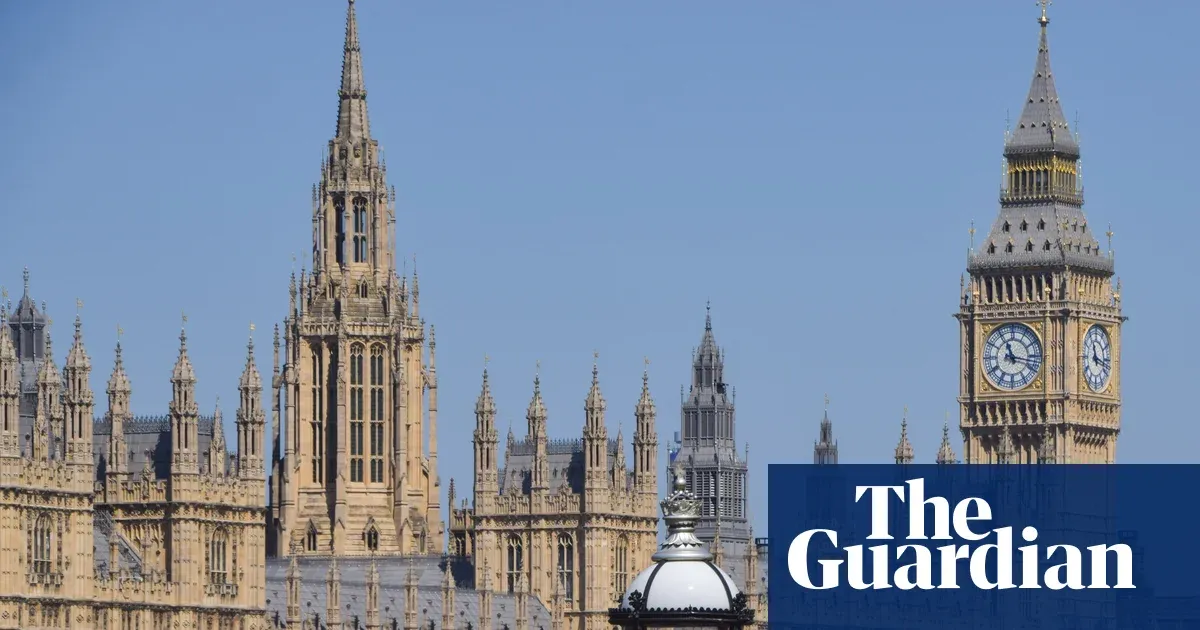
Reform UK leader Nigel Farage gave Parliament a reason to re-check UK donation and gifts rules after a £5m gift from Thailand-based crypto billionaire Christopher Harborne. The Parliament standards commissioner is investigating whether the gift should have been treated differently.
Nigel Farage’s £5m gift from Thailand-based crypto billionaire Christopher Harborne is now under investigation by the Parliament standards commissioner, in a case that is putting the UK’s political donations and gifts rules under a microscope. The timing is part of what makes it combustible: the gift was reported as coming shortly before Farage became an MP. And the specific legal question is even sharper. Under the existing framework, gifts only have to be declared if they are political.
Farage has said the £5m was “personal” and “freely given with no demands attached.” That matters because the whole compliance system hinges on classification. If something is treated as a political gift, it must be declared; if it is treated as a personal benefit, it may not be. The standards commissioner’s investigation is essentially about whether the facts fit the label that triggers (or avoids) disclosure.
This is not an abstract debate about ethics. It is about how political money travels from donors to outcomes, and why voters and regulators are increasingly uneasy with “mega-donors” writing large checks to parties. In recent years, the Guardian reports growing calls for a donations cap beyond those from overseas investors, alongside demands for more transparency about financial interests. The underlying concern is straightforward: during election periods, spending limits are designed to stop powerful interests from tilting the result. But when large sums flow outside the intended channel, the protective effect of election-period spending controls can feel weaker in practice.
To understand why, zoom out to the incentive structure that donors and parties face. Donors want influence, or at least access. Parties and candidates want funds. The existing rules aim to separate personal money from politically motivated transfers through a “political” declaration threshold. In theory, that threshold keeps disclosure targeted and prevents over-reporting. In practice, it creates an opening: if a large gift can be framed as non-political, the disclosure obligation may not fire even when public perception says it should.
That tension is why the Farage-Harborne controversy has become a proxy for a wider fight over caps and oversight. The article notes that mega-donors are coming under scrutiny, with growing calls for a new cap on the amount one individual or company can donate in a year. It also notes pressure for greater transparency after the furore over Farage’s £5m gift. Put differently, the case is not only about whether one donation was handled properly. It is about whether the rulebook is fit for a world where donors can be extremely wealthy, give very large amounts, and still argue that their contributions are not technically political.
There is also the international dimension. The piece mentions calls for a donations cap beyond those from overseas investors. That language matters because cross-border political finance can be harder to audit, and it raises additional questions about who is shaping UK politics and under what accountability. Even when a gift is legal, perceived distance from UK electoral interests can fuel calls for stricter limits and broader disclosure.
For decision-makers inside politics and governance, this is the kind of regulatory stress test that changes board-level thinking, even for groups not directly named. When scrutiny intensifies around classification and disclosure, compliance departments end up focusing less on “what we can argue” and more on “what will look defensible on the record.” In this environment, standards commissioners investigating cases signals that enforcement is not only about formal breaches. It can also be about whether the spirit of transparency is being respected.
If the investigation concludes that the £5m gift should have been declared as political, the precedent would land as a warning shot across party fundraising: scale does not immunize scrutiny, and the “personal” label is not automatically a shield. If, instead, the commissioner finds that the gift fits within current rules, the political pressure may still not go away. Either way, the second-order impact is likely to be more conservative donor behavior, more cautious party acceptance, and faster moves toward clearer definitions of what triggers disclosure.
For executives, trustees, and senior leaders dealing with political adjacent fundraising, the strategic stakes are simple. Rules that depend on subjective classification are inherently harder to defend under public and regulatory pressure. The Farage case, the calls for a donations cap, and the push for transparency around financial interests all point toward a future where the UK’s donation framework may tighten. In the meantime, every party, donor, and internal compliance team is watching closely, because the next big donation will not only be measured for legality. It will also be measured for optics, classification, and whether it survives investigation.
This story's Key Insights and Take-aways are locked.
Create a free account to unlock Executive Actions for one credit.
Register to UnlockAlways free for Executives Club members. Join the Club
More in Politics

Glacial collapse, not rain, killed 180 in Nepal's Himalayan flood
The Himalaya's extreme geography hid the true cause of Nepal's catastrophic flood, a glacial collapse that turned a geological battleground into a mass-casualty zone.

Iran’s Esmail Baghaei says Oman talks start shipping via Hormuz, not US talks yet
Temporary route plans with Oman aim to restart commerce while Tehran says Washington dialogue is not on the table.

Standards watchdog opens probe into Reform UK deputy leader Richard Tice over interests
The parliamentary standards commissioner says it began an investigation on 28 July into a possible undeclared interest.