
FBI hacked twice in months as USDA payments database also breached
Two federal agencies breached in one week, with the FBI's second incident in months hitting the warrant and missing-persons database police rely on daily.
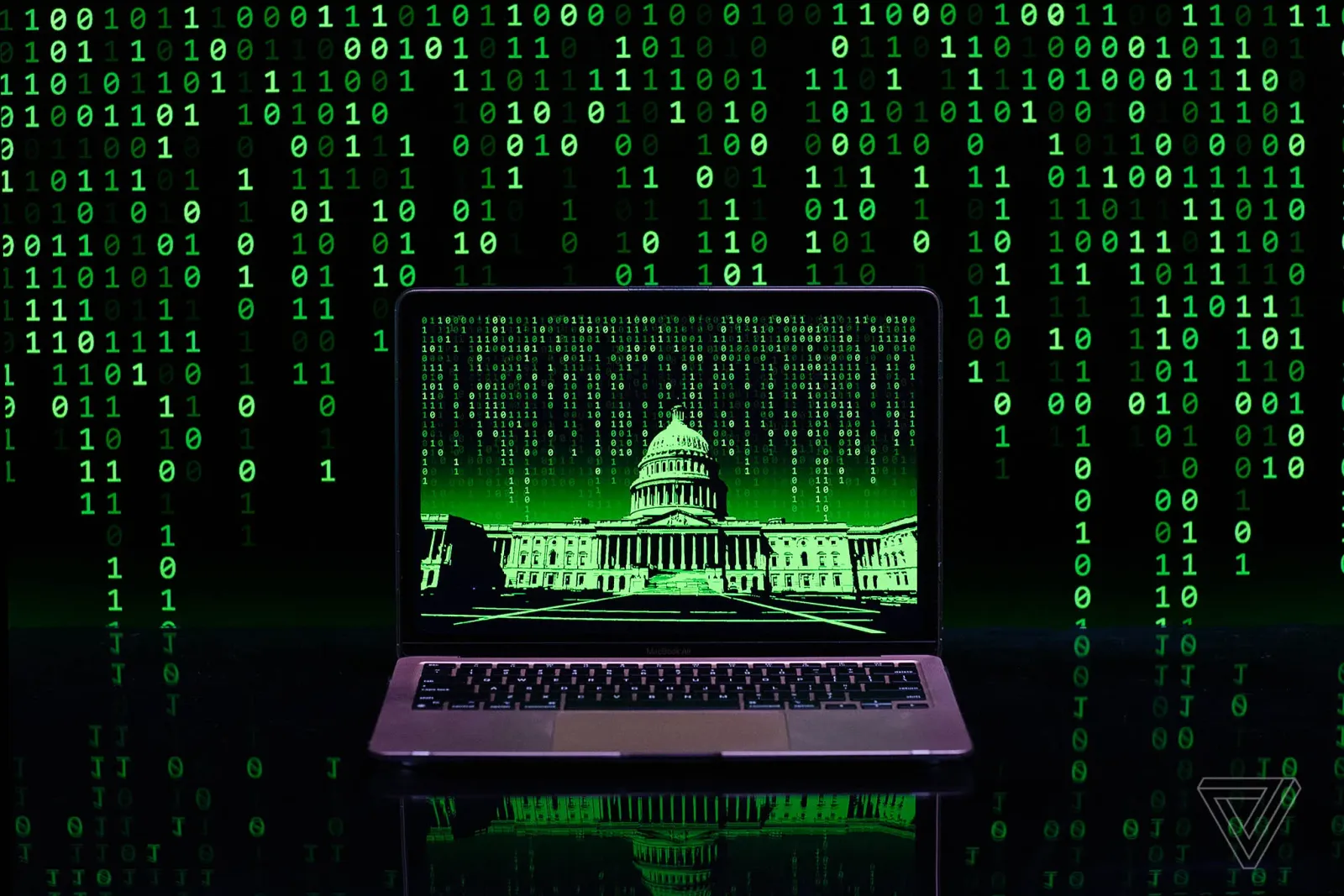
The FBI and USDA were both reported hacked on Friday, with CNN reporting the FBI's second breach in months hit the National Crime Information Center and Reuters reporting a USDA payments database as the known extent of that intrusion. For executives, the incidents are a reminder that shared systems and third-party access concentrate risk far beyond the agency that gets the headline.
Two federal agencies, one Friday, and a database that police departments across the country query every day. Reports landed that both the US Department of Agriculture and the FBI had been hacked. The FBI breach is the one that should make you sit up: CNN reported it is the second attack on the agency in the last few months, and this time hackers went after the National Crime Information Center, the system federal, state, and local law enforcement use to share information including warrants and missing persons. President Donald Trump later confirmed the hack in an interview with Fox News. NBC was first to report the USDA breach on Friday.
The NCIC is not a filing cabinet. It is the connective tissue of American policing, the lookup that runs when an officer checks a warrant or tries to match a missing person to a record. It is, by design, a shared system: a hit entered in one state is visible to agencies in the other 49. That architecture is exactly what makes it valuable, and exactly what makes it a target. Compromise the pipe and you do not just expose one agency's files, you touch the daily workflow of law enforcement nationwide. Historically, that is the kind of access attackers pay for, either to sell, to hold, or to sit on quietly.
The USDA side is quieter but no less pointed. Reuters reported that the payments database is the known extent of the intrusion so far, and that former officials warned the damage may not stop there. Read that phrase again: the known extent. In breach investigations, the first confirmed system is rarely the last one named, and the people who have lived through federal incident response know it. The USDA is a payments operation as much as an agricultural one, moving money through programs that touch farmers, rural communities, and food supply chains. A payments database is where the money and the identities meet.
Zoom out and the pattern is the story. This is the second FBI hack in a few months, which means whatever the first one taught the agency, it did not close the door. Federal networks have been a recurring target for years; the 2015 breach of the Office of Personnel Management, which exposed sensitive records on millions of federal workers and contractors, is the reference point everyone in the field still uses. The lesson from that episode was not that an agency got breached. It was how long it took to understand the scope. That is the risk here too: not the headline, but the slow reveal.
Then there is the confirmation itself. Trump confirming the hack on Fox News is a notable data point, because public acknowledgment changes the clock. Once a breach is confirmed at that level, agencies move from quiet containment to formal notification, congressional interest, and outside scrutiny. For contractors, vendors, and anyone with federal credentials in the blast radius, that shift matters more than the initial report. It is the moment when lawyers, insurers, and oversight committees all get a seat at the table.
The second-order effects are where executives outside government should pay attention. First, identity risk: NCIC records include names, warrants, and missing persons data, and any exposure there is a gift to anyone building profiles for fraud or worse. Second, operational risk: if law enforcement cannot fully trust a shared lookup, agencies fall back on manual verification, which slows everything from traffic stops to cross-state investigations. Third, supply chain risk: federal breaches almost always trace back through a contractor, a credential, or a third-party tool, and the same exposure exists in every company that touches government data.
What to watch next is the scope statements. Watch whether the USDA's known extent stays at the payments database or grows, and watch whether the FBI describes the NCIC incident as access or exfiltration. Those two words carry very different consequences. For boards, the takeaway is not that government gets hacked. It is that the same architecture, shared systems, third-party access, and slow scope discovery, is sitting inside most large companies right now. The agencies are the headline. The playbook is universal.
This story's Key Insights and Take-aways are locked.
Create a free account to unlock Executive Actions for one credit.
Register to UnlockAlways free for Executives Club members. Join the Club
More in Technology

Anthropic Mathematician Claims Claude Helped Prove Riemann Hypothesis in Six Weeks
Levent Alpöge says the AI tool helped him develop a solution to one of math's most important unsolved problems in about six weeks, a claim that, if verified, would reshape AI's role in research.
Asahi Pours $85M Into AI Cyber Defense After Ransomware Hit
Japan's beverage giant is rebuilding its security stack around AI, and the $85 million price tag is a warning to every board still treating cyber risk as an IT line item.
Signal kills mobile screenshots to fight the 'existential threat' of AI surveillance
The encrypted messaging app is closing the one hole encryption never covered, the screenshot button, as AI tools get better at reading everything on your screen.