

FCC Chair Brendan Carr says Trump free-speech talk comes with broadcaster threats
What Carr claims Trump threatened, how it tests FCC independence, and why media companies should care now.
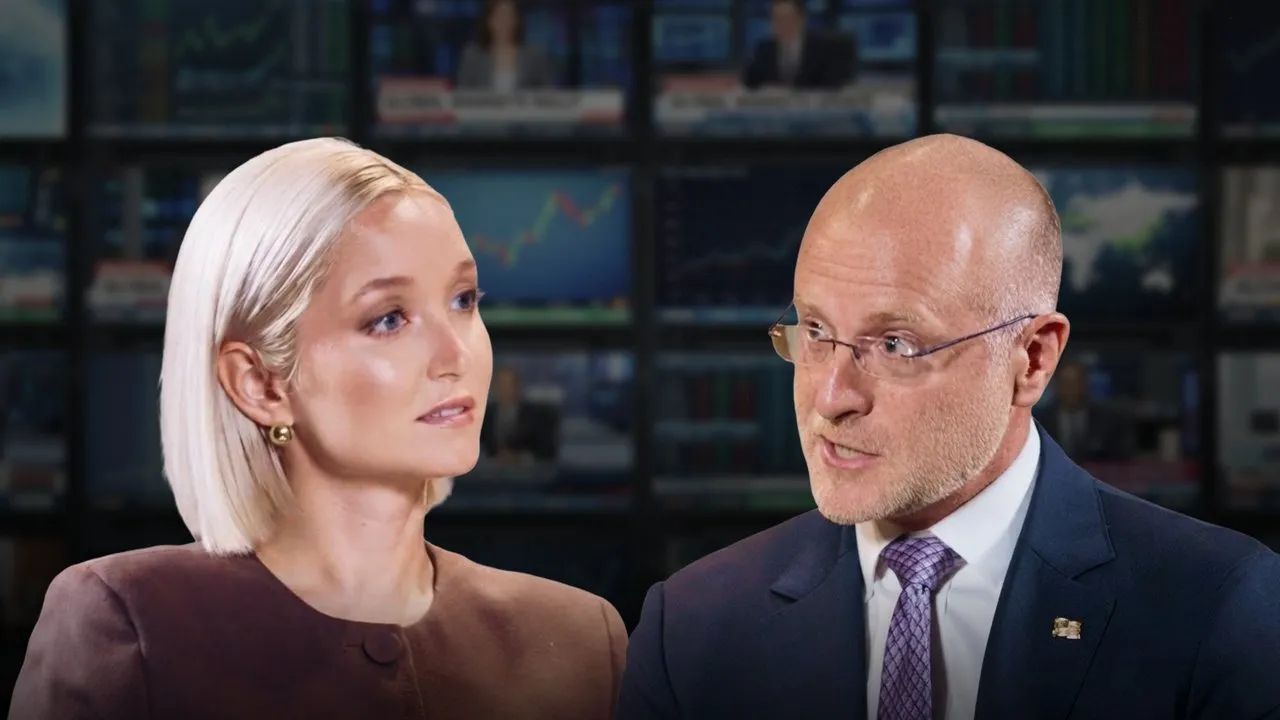
FCC chair Brendan Carr spoke about Trump, free speech, and his threats against broadcasters, arguing the situation raises serious issues for regulation. The consequence for decision-makers: it spotlights how political rhetoric can translate into real pressure on broadcast rules and compliance.
FCC chair Brendan Carr is putting a spotlight on the intersection of President Donald Trump, free speech, and what he calls threats against broadcasters. Carr, as the top Republican at the FCC, framed the debate as more than a culture-war argument. In his comments, he treats the threat element as the key fact, because it has direct implications for how broadcasters operate and how regulators are expected to behave.
Why does this matter right now? Because the FCC regulates broadcast and communications infrastructure with real, measurable effects on business. When the person leading the FCC publicly highlights “threats against broadcasters,” it signals that the normal boundaries between political messaging and regulatory power are being tested. For media executives, operators, and investors, that means risk is not just about audience and technology. It is also about whether policy gets applied consistently, and whether regulated companies are pulled into political narratives that can complicate licensing, enforcement posture, and day-to-day compliance decisions.
To understand Carr’s underlying point, you have to know what the FCC is. The FCC is not a general opinion magazine. It is the US communications regulator that oversees important parts of the broadcast ecosystem, including licensing frameworks and rules that shape what broadcasters can do and how they do it. That is why public claims about threats are not “just rhetoric.” They suggest a shift in the relationship between powerful political figures and regulated media organizations, and that shift can change the incentives inside those organizations.
This is also where “free speech” enters the conversation in a politically combustible way. Free speech is a principle that sounds universal, but in regulation it usually shows up as a set of constraints and tradeoffs: what platforms say, what they are required to do, and what they are punished for if they do not comply. Carr’s comments put pressure on that tradeoff by tying Trump’s free speech framing to alleged threats against broadcasters. Even if you do not personally care which side of the political debate you are on, the operational concern for executives is straightforward: when free speech rhetoric collides with regulatory authority, the compliance and legal teams get pulled into a faster, higher-stakes game.
There is a second-order boardroom effect here too. Boards do not just manage brand risk. They manage regulatory risk, and regulatory risk has a habit of becoming financial risk. The FCC can influence everything from licensing expectations to how enforcement priorities feel in practice. When the regulator’s top leadership publicly calls out threats, it signals that the regulatory process could be affected by political pressure, or at least by the perception of it. That perception alone can drive preemptive behavior, such as more conservative editorial stances, heightened legal review of public statements, or stricter internal controls around content-adjacent decisions.
Executives should also watch the “institutional independence” angle. Carr, as FCC chair, occupies a role where he is expected to balance policy goals with procedural legitimacy. If political figures appear to threaten broadcasters, the FCC chair has to respond in a way that protects the regulator’s credibility. That can put Carr in a defensive posture, but it also places broadcasters in an uncomfortable position: they may feel like they are being asked to choose between political factions, even though their core job is to run a media business.
Finally, this is not only a story about one chair and one president. It is a preview of how communications regulation can become politicized during high-salience moments. For peers in broadcast, telecom, and adjacent media categories, the strategic stakes are clear. If political rhetoric can be interpreted as a threat, then executives need to treat communications policy as a moving target. That means scenario planning for regulatory timelines, tightening the feedback loop between editorial, legal, and compliance, and ensuring the organization can withstand both scrutiny and policy churn.
The quick takeaway from Carr’s framing is this: “free speech” debates are not just abstract principles in Washington. In Carr’s telling, they connect directly to alleged threats against broadcasters, and that connection is where operational risk is born. Broadcasters and their stakeholders should read this as a warning signal about how political pressure can show up inside regulatory decisions, not someday, but now.
This story's Key Insights and Take-aways are locked.
Create a free account to unlock Executive Actions for one credit.
Register to UnlockAlways free for Executives Club members. Join the Club
More in Politics
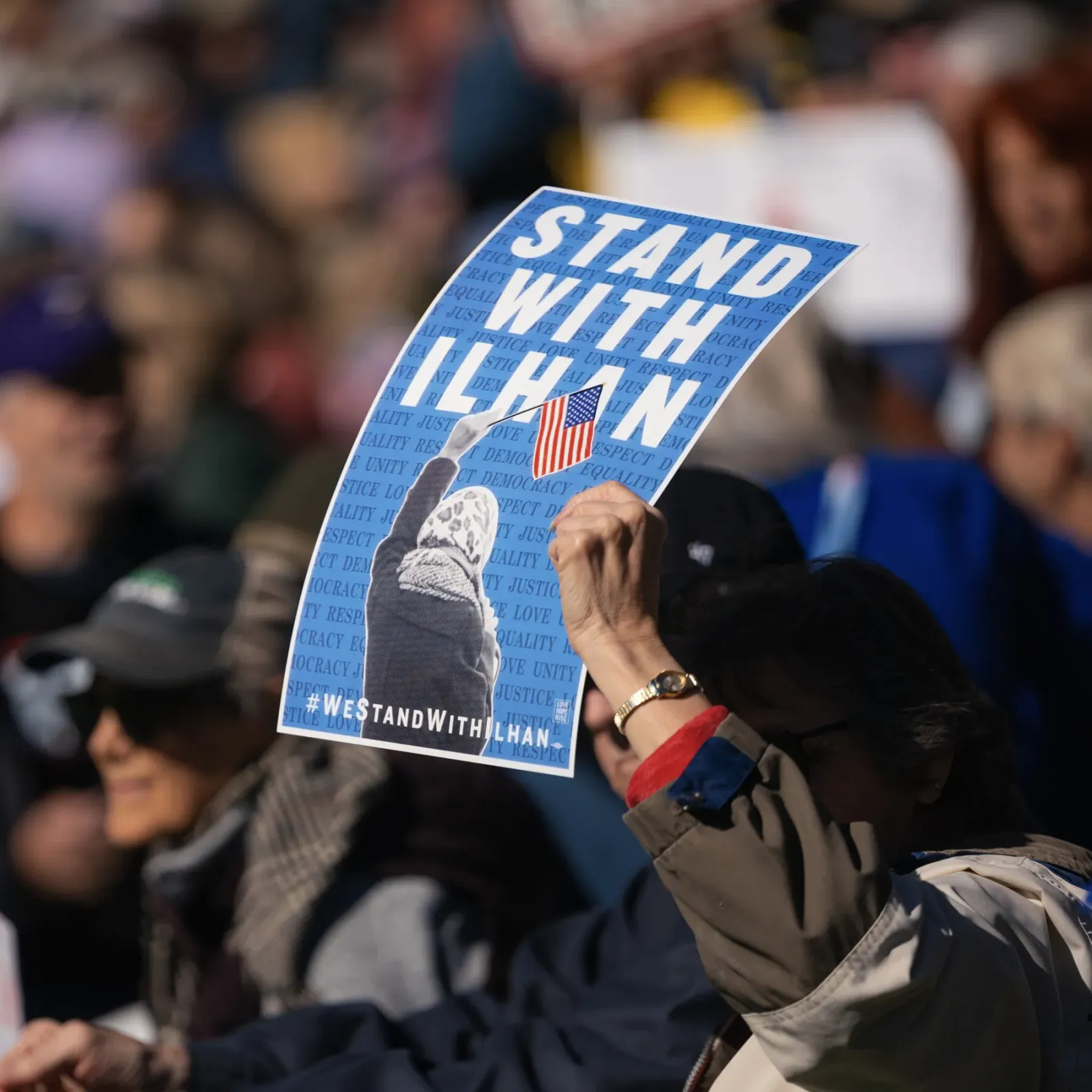
Obama Defends Ilhan Omar After Agents Search Her Home in Trump Inquiry
The former president's intervention raises the stakes in a federal probe into immigration paperwork that has put a prominent progressive lawmaker in the crosshairs.

Blair-era minister: cut welfare to fund youth job support
Alan Milburn's call for welfare cuts to fund employment support opens a Labour fight over benefits and the Neet crisis.
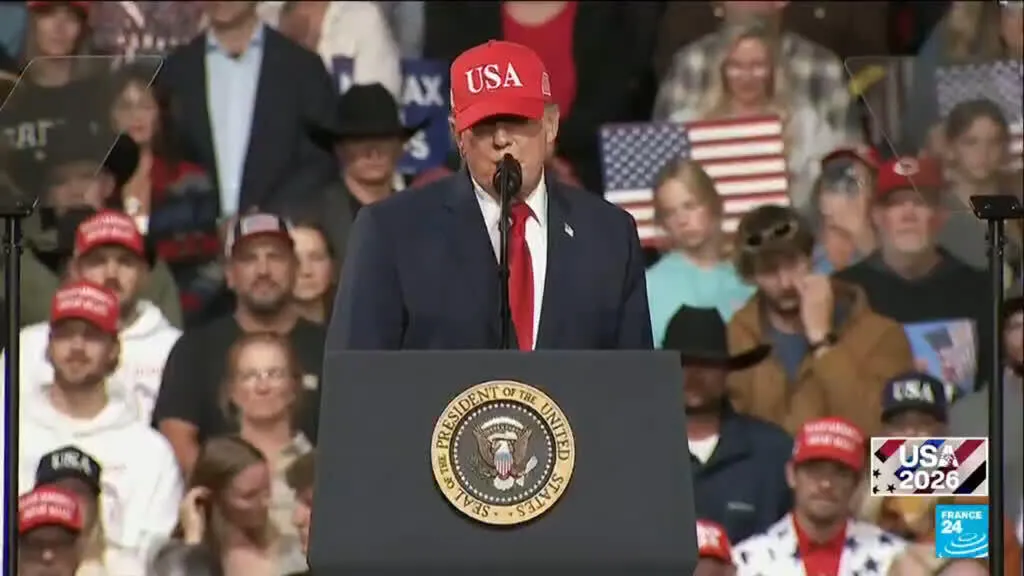
Hot September CPI: energy costs surge, voters feel the squeeze before midterms
The latest inflation print lands as Trump campaigns for GOP control of Congress, putting cost-of-living worries at the center of the midterm fight.