
Federal buildings face a $50B repair backlog, and Congress funds it slowly
The deferred-maintenance bill is estimated at $50 billion, but repairing elevators, leaks, and roofs depends on a grinding funding process.
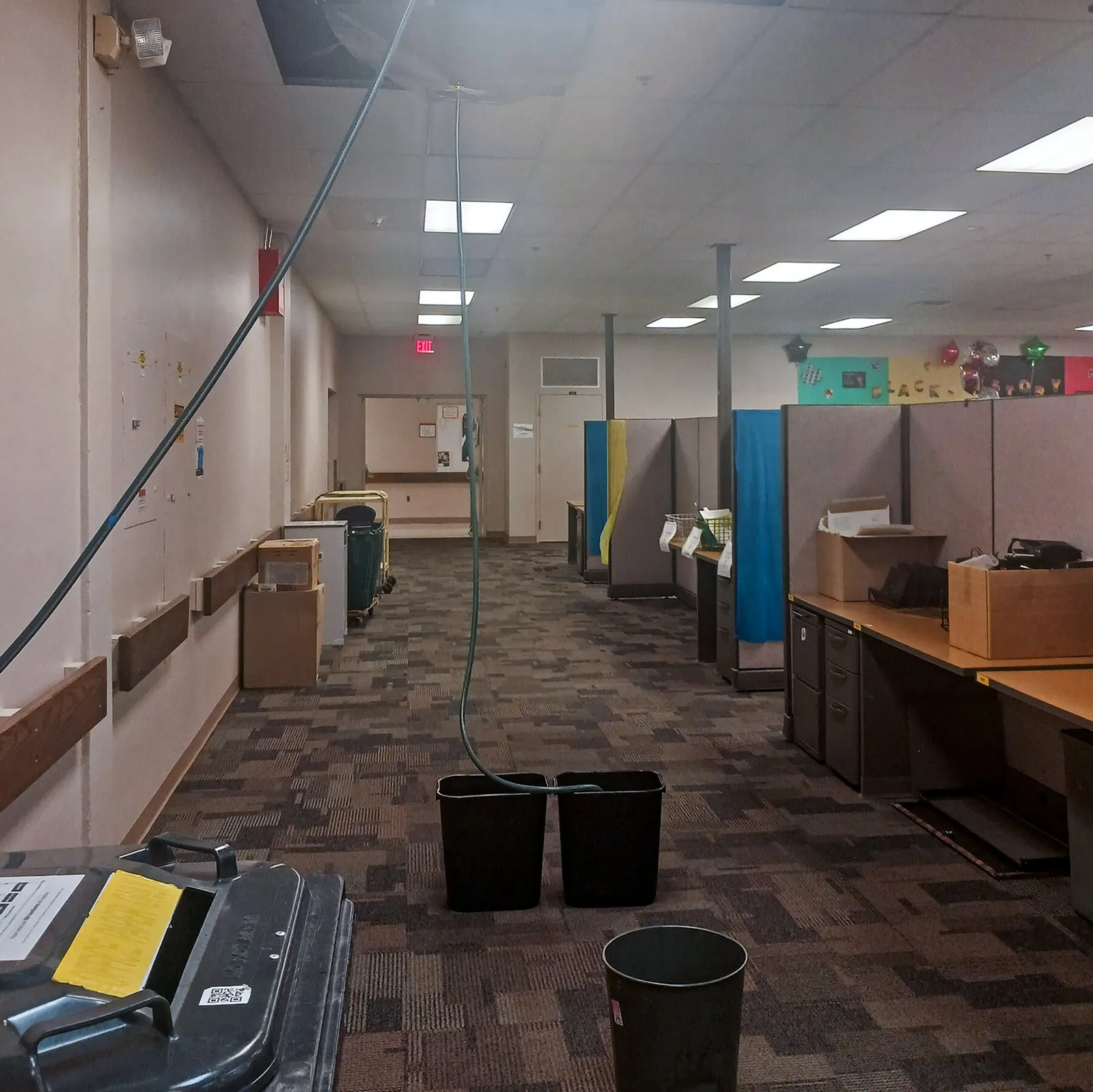
The New York Times reports that after decades of deferred maintenance, federal buildings are left with an estimated $50 billion repair backlog. The consequence for decision-makers is simple: even when the need is urgent, getting repair money from Congress is laborious, stretching timelines and raising operational risk.
Federal buildings are sitting on an estimated $50 billion repair backlog, according to the New York Times, a stark number that reflects decades of deferred maintenance. The headline problem is not that repairs are unknown. It is that repairs are expensive, visible, and hard to finance at the speed the buildings demand.
The second part of the story is just as important: getting repair funds from Congress is a laborious process. In other words, the system that is supposed to allocate money for public infrastructure is slow enough that “needed maintenance” can become “chronic impairment,” where small failures in building systems pile up into a bigger, more disruptive mess.
This is the kind of problem that does not stay contained. Federal buildings are not just real estate assets with decorative value. They are operational spaces that support government work, public access, and compliance obligations. When maintenance is deferred for long enough, the cost curve usually moves in one direction: repairs become more urgent and more expensive, and downtime becomes more frequent. The New York Times describes the broader pattern as deferred maintenance accumulating over decades. That time horizon matters, because building deterioration is not a one-time event. It is a compounding problem across elevators, plumbing systems, HVAC performance, leaks, and other building infrastructure.
For executives and boards, the funding bottleneck is the key governance lesson. Congress is the funding gate in this scenario, and the process is described as laborious. When capital decisions depend on a political timetable rather than a facility’s operating timetable, the risk portfolio changes. Organizations that can plan maintenance schedules based on predictable budgets can stage projects, contract efficiently, and avoid cascading failures. But in a slower funding environment, maintenance teams can end up stuck in triage mode, where they patch problems that arrive before full repairs can be approved.
There is also a second-order implication for how organizations think about regulatory and accountability frameworks. Federal agencies operate under public scrutiny and a compliance culture that tends to treat facility safety and operational continuity as non-negotiable. Yet the mechanism for funding the fixes sits downstream of appropriations and approval cycles. That disconnect can create a gap between operational urgency and budget reality. Even if the need is obvious to the people managing the buildings, the authority to fund repairs is constrained by a process that can take longer than wear and tear.
Look at the numbers and the process together, and a clearer picture emerges. An estimated $50 billion deferred maintenance backlog suggests the problem is already large, not emerging on the margins. When that level of backlog intersects with a slow funding pipeline from Congress, delays can transform repair needs into operational hazards. The result is a recurring cycle: problems worsen, repair costs escalate, and the justification for additional funding becomes harder to ignore, even as the funding process remains slow.
For leaders in other sectors, the parallels are real. Many organizations face infrastructure strain, and the most brutal version is when budget governance cannot match asset deterioration. Whether the source is public funding, grant cycles, or multi-committee approvals, the executive lesson is that infrastructure risk management is not only about engineering. It is also about procurement timing, funding mechanics, and the governance choreography that determines whether repairs happen before failures force emergency spend. In the federal context, the New York Times framing shows how quickly a maintenance backlog can become a systemic drag when the money moves at the pace of Congress rather than the pace of elevators, roofs, and pipes.
This story's Key Insights and Take-aways are locked.
Create a free account to unlock Executive Actions for one credit.
Register to UnlockAlways free for Executives Club members. Join the Club
More in Politics
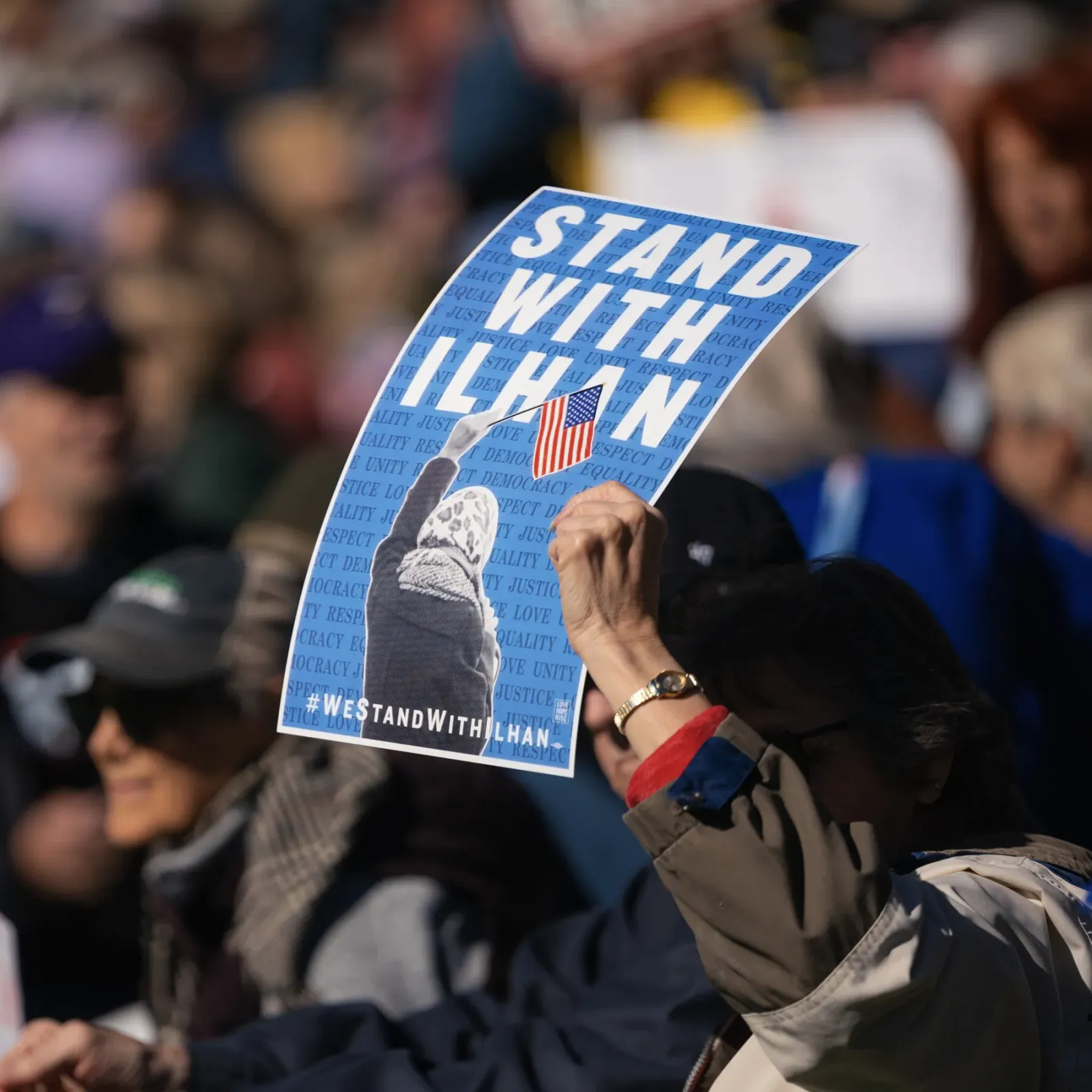
Obama Defends Ilhan Omar After Agents Search Her Home in Trump Inquiry
The former president's intervention raises the stakes in a federal probe into immigration paperwork that has put a prominent progressive lawmaker in the crosshairs.

Blair-era minister: cut welfare to fund youth job support
Alan Milburn's call for welfare cuts to fund employment support opens a Labour fight over benefits and the Neet crisis.

Hot September CPI: energy costs surge, voters feel the squeeze before midterms
The latest inflation print lands as Trump campaigns for GOP control of Congress, putting cost-of-living worries at the center of the midterm fight.