
Federated Hermes CIO sees S&P 500 at 10,000, a 45% surge
Steve Chiavarone's year-end 2027 target towers over Morgan Stanley's and Goldman's 8,700 as AI stocks drag the Dow and S&P into correction.
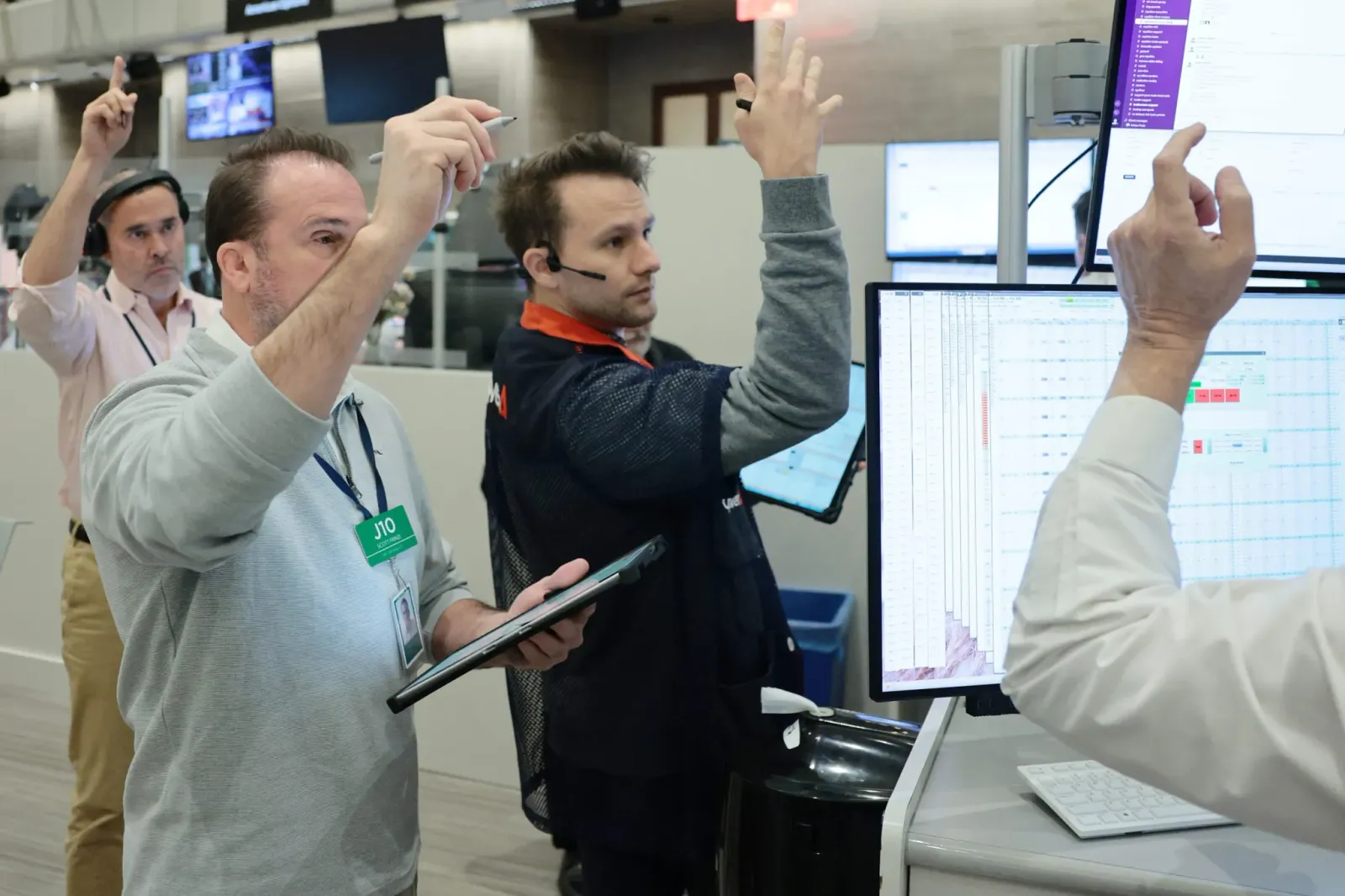
Federated Hermes chief investment officer for equities Steve Chiavarone is calling for the S&P 500 to hit 10,000 by the end of 2027, a 45% surge, even as the Dow and S&P 500 slide into correction territory alongside the Nasdaq. His target sits roughly 1,300 points above Morgan Stanley's and Goldman Sachs's 8,700 forecasts, leaving executives and boards to plan against a 2027 outcome range that spans about 22%.
Steve Chiavarone, chief investment officer for equities at Federated Hermes, has a year-end 2027 target for the S&P 500 of 10,000. That is a 45% surge from current levels, and it lands roughly 1,300 points above where the two biggest names on Wall Street see the index finishing. Chiavarone is not hedging. He is brushing aside the midterm elections that handed Democrats control of Congress and several state capitals, and he is arguing that the AI infrastructure buildout everyone fears will stall is actually the thing that keeps the bull market alive.
The timing is what makes the call interesting. The Dow Jones Industrial Average and the S&P 500 just joined the Nasdaq in correction territory as AI stocks plunged further, capping the worst weekly loss since the early days of the COVID-19 pandemic. Wall Street's response has been less panic than shrug. Morgan Stanley chief U.S. equity strategist Michael Wilson says the S&P 500 finishes 2027 at 8,700, a 26% jump from current levels and a 15% rally when he made the call. Goldman Sachs also sees 8,700 next year, "albeit with higher volatility than in recent years." UBS Global Wealth Management and Wells Fargo both put the index at 8,200, implying 19% upside from Friday's close in UBS's case. So the Street's range runs from 8,200 to 10,000, and Chiavarone owns the top of it.
The selloff itself is being read as emotion, not fundamentals. Viktor Shvets, head of global desk strategy at Macquarie Capital, put it this way in a Friday note: "This does not mean stampedes are uninformative or palpitations never presage heart attacks, but today's panic does not feel like an AI bust." Michael Monaghan, portfolio manager and partner at Founder ETFs, quipped that the market is "selling first and asking questions later." Jamie Cox, managing partner for Harris Financial Group, predicted investors will "return to rationality" and look instead to consumption-boosting GDP. Some analysts even welcomed the decline for taking froth off markets that might otherwise start looking overheated.
Chiavarone's contrarian case rests on the idea that a slowdown in data center spending would help, not hurt. Wall Street fears the Democratic sweep will slow the AI infrastructure boom. He says the risks to the buildout are overblown, and that even a slight retreat would be positive. "A modest pullback in the data center buildout could give cash flows time to catch up, easing inflation pressures and making the investment boom more sustainable," he argued. Slower prices could prevent additional rate hikes from the Federal Reserve, which has grown more hawkish as policymakers become impatient with inflation exceeding their 2% target for over five years. Wall Street sees more tightening in the coming months, and some analysts anticipate rate cuts later in 2027 as inflation cools. That assumes the Iran war will be over some time next year.
The more cautious forecasts carry their own warnings. UBS says that while it sees more earnings gains in 2027, the focus is on whether the investment cycle can support profits into 2028. "Cannibalization, financing, and execution risks around AI have increased while expectations and index concentration remain high," it added. "The market is therefore more sensitive to earnings disappointment or a further rise in discount rates." Wells Fargo's 8,200 outlook assumes slower profit growth as well. Translation: the bull case is not about multiples expanding. It is about earnings showing up on schedule.
Goldman's Peter Oppenheimer, the bank's chief global equity strategist, expects corporate earnings growth to slow, but he also expects inflation, bond yields, and oil prices to moderate. "We expect the equity bull market to continue," he said. Wilson at Morgan Stanley framed it as a cycle turning: "We see the mid-cycle transition now ending with a more stable mid-cycle backdrop evolving in 2027," he wrote earlier this week.
Gaurav Mallik, chief investment officer at Modera Wealth Management, called the slide a "garden variety correction," with leadership rotating from tech to industrials and financials. "The pullback in stocks sets the market up nicely for 2027, which we believe will be a high-single-digit year," he added. "Multiples are shrinking, and total returns are a function of earnings growth, which so far looks robust for 2027."
For executives and boards, the useful signal is not any single target. It is the 1,800-point spread between the most cautious and most aggressive 2027 calls, which is roughly a 22% gap in expected outcomes. That dispersion tells you the market is pricing a narrow path: hyperscaler capital spending holds up, inflation cools enough to let the Fed stop tightening, and earnings carry returns once multiples stop doing the work. Chiavarone's 10,000 is the bet that a little restraint in the data center buildout makes that path more durable, not less. The correction is the entry point he is counting on.
This story's Key Insights and Take-aways are locked.
Create a free account to unlock Executive Actions for one credit.
Register to UnlockAlways free for Executives Club members. Join the Club
More in Business

Anthropic's record IPO lands a day before Nvidia's longest losing streak since 2008
Anthropic's record Nasdaq debut and Nvidia's longest weekly losing streak since 2008 landed within 24 hours of each other, and the contrast shows how fast the market is re-pricing the AI trade.
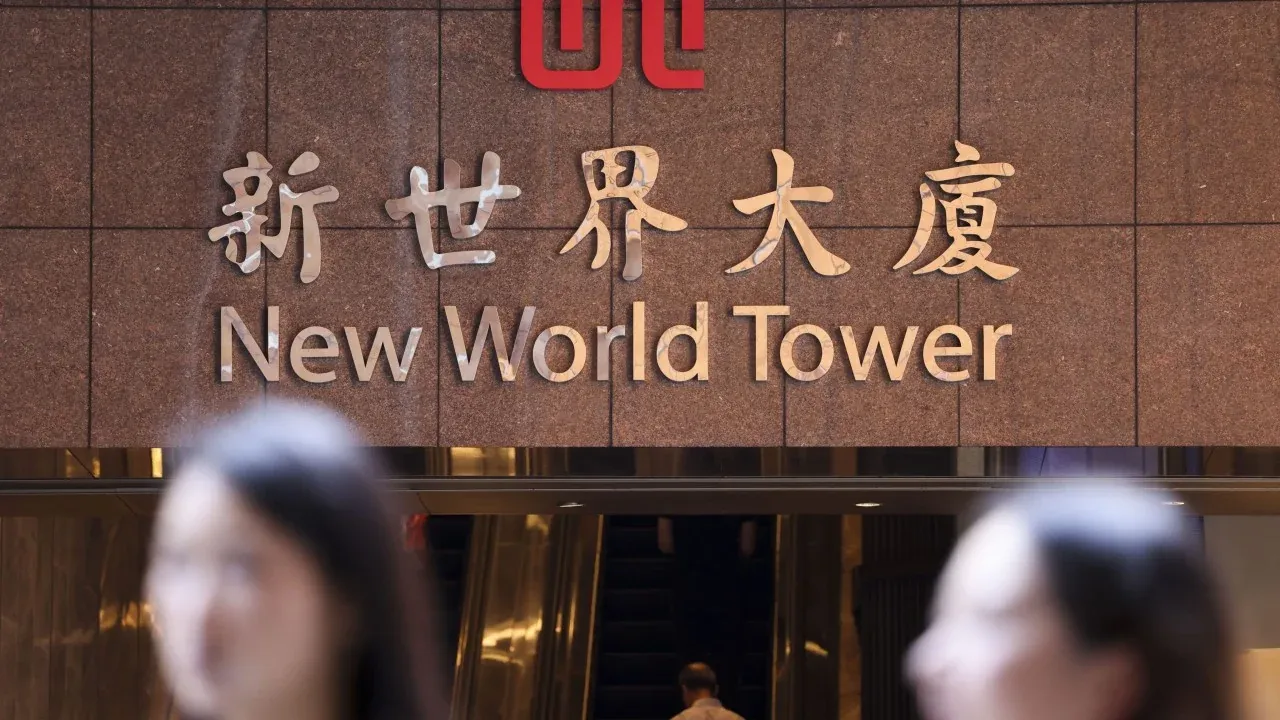
New World's HK$24.9B rights issue triggers 41% plunge as HK$50B debt target looms
New World Development has three levers left to erase up to HK$50 billion in borrowings by 2031, and shareholders just told the market what they think of the first one.
Chip supply chain warns new US export controls will spread beyond the target list
Suppliers, distributors and equipment makers say the latest US restrictions will not stay contained to the firms named on paper, putting orders, inventory and delivery timelines at risk across the global chip chain.