
FIFPRO Slams Bayern's Hoeness and Dreesen Over Musiala Contract Pressure
The global players' union says public comments from Bayern's honorary president, CEO and supervisory board put pressure on Jamal Musiala while he recovers from health problems, turning routine contract chatter into a labor-relations fight.
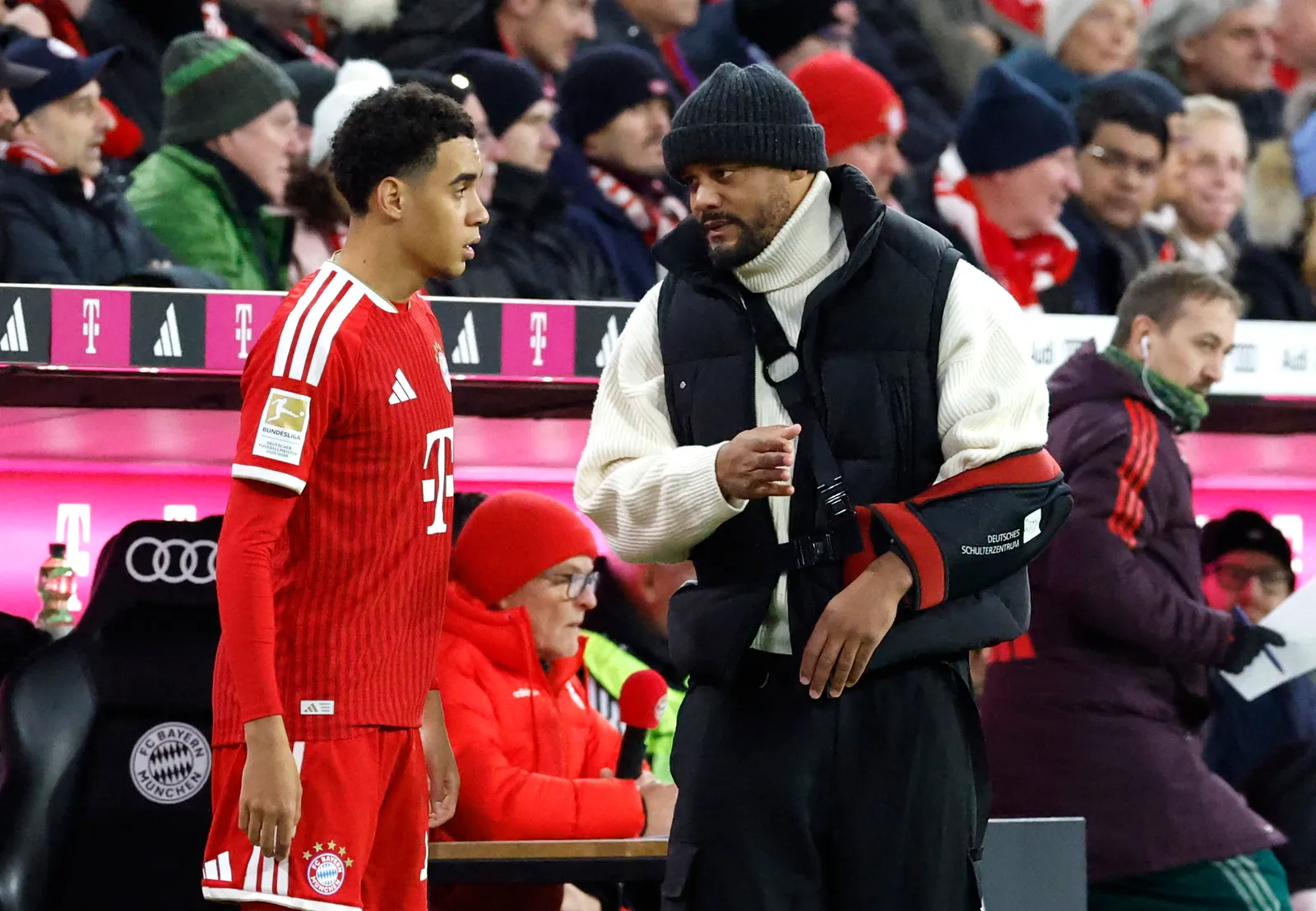
FIFPRO said Saturday it is "deeply concerned" by public comments from Bayern Munich leaders Uli Hoeness, Jan-Christian Dreesen and Karl-Heinz Rummenigge about Jamal Musiala's contract, accusing the club of pressuring the midfielder while he recovers from health problems. For executives, the episode is a case study in how uncoordinated public messaging from multiple power centers can convert an internal negotiation into an external labor and reputation risk.
FIFPRO went public on Saturday with a blunt message for Bayern Munich: stop talking about Jamal Musiala's contract while he is trying to get healthy. The global players' union said it was "deeply concerned" by recent public comments from the German champions' leadership about the midfielder's future, accusing the club of putting pressure on him while he recovers from health problems. The statement pointed at three of the most senior figures at Bayern: honorary president Uli Hoeness, CEO Jan-Christian Dreesen and supervisory board member Karl-Heinz Rummenigge.
That is not a random trio. It is the club's honorary leadership, its executive leadership and its boardroom oversight, all on the record about one player's future at the same time. The union was responding to recent remarks from all three about where Musiala stands at the club. When a players' union names a club's leadership individually in a public statement, the message is aimed less at the fans than at the people who sign the contracts. FIFPRO is the global representative body for professional footballers, and unions in this position typically escalate into public view only when private channels have failed or when the member needs cover.
The timing is the sharp edge. Musiala is recovering from health problems, per the union's statement, which means the usual logic of contract chatter does not apply. In football, public comments about a player's future are a standard leverage tool: they shape fan sentiment, signal to agents and set the narrative before formal talks. Historically, that tool works because the player can answer on the pitch. An injured player cannot. That asymmetry is exactly what FIFPRO is flagging, and it is why the word "pressure" appears in the union's language rather than something softer.
Bayern's governance makes the volume hard to control. The club's structure layers an honorary presidency with moral authority, a CEO running day-to-day operations, and a supervisory board with formal oversight. Three seats, three microphones, one player. For a club that has long marketed itself as a model of stability, that is an awkward look: the same institutional depth that gives Bayern its continuity also multiplies the number of people who can create a headline. Honorary titles in particular carry no operational responsibility but plenty of amplification.
Player welfare is the frame FIFPRO has been building for years. The union's remit covers working conditions, workload and the broader treatment of players as employees rather than assets, and unions in this space typically argue that health should be a boundary rather than a negotiating chip. Whether or not Bayern sees its comments as routine, the union has now placed them in that category. The statement did not include a response from Bayern, and the source material does not detail the specific remarks beyond their subject: Musiala's future at the club.
The second-order effects land on recruitment. Agents and advisors keep score of how clubs behave when a player is at his most vulnerable, and that memory shows up in negotiations years later. Bayern competes at the top of the European market for young talent, where the pitch is not just money but environment. A union complaint is a data point that rivals and intermediaries can cite. It also hands the player's camp a public record of institutional pressure, which is useful leverage if and when talks resume.
Strip out the sport and the management lesson is portable. Any organization with an honorary tier, a founder-chair, a long-serving board member and a sitting CEO has multiple voices that can speak about an employee's contract, health or performance. Most of them are not accountable for the fallout. The Bayern case is a reminder that the cost of that chatter is paid by the institution, not the individual who made the remark, and that a union or regulator is often the first outside party to price it.
What to watch: whether Bayern's leadership adjusts its public posture, whether FIFPRO escalates beyond a statement, and how the Musiala contract conversation is conducted from here. For executives outside football, the transferable question is simple. Who in your organization is allowed to talk publicly about a person's employment while that person is unwell, and does anyone actually enforce it?
This story's Key Insights and Take-aways are locked.
Create a free account to unlock Executive Actions for one credit.
Register to UnlockAlways free for Executives Club members. Join the Club
More in Business
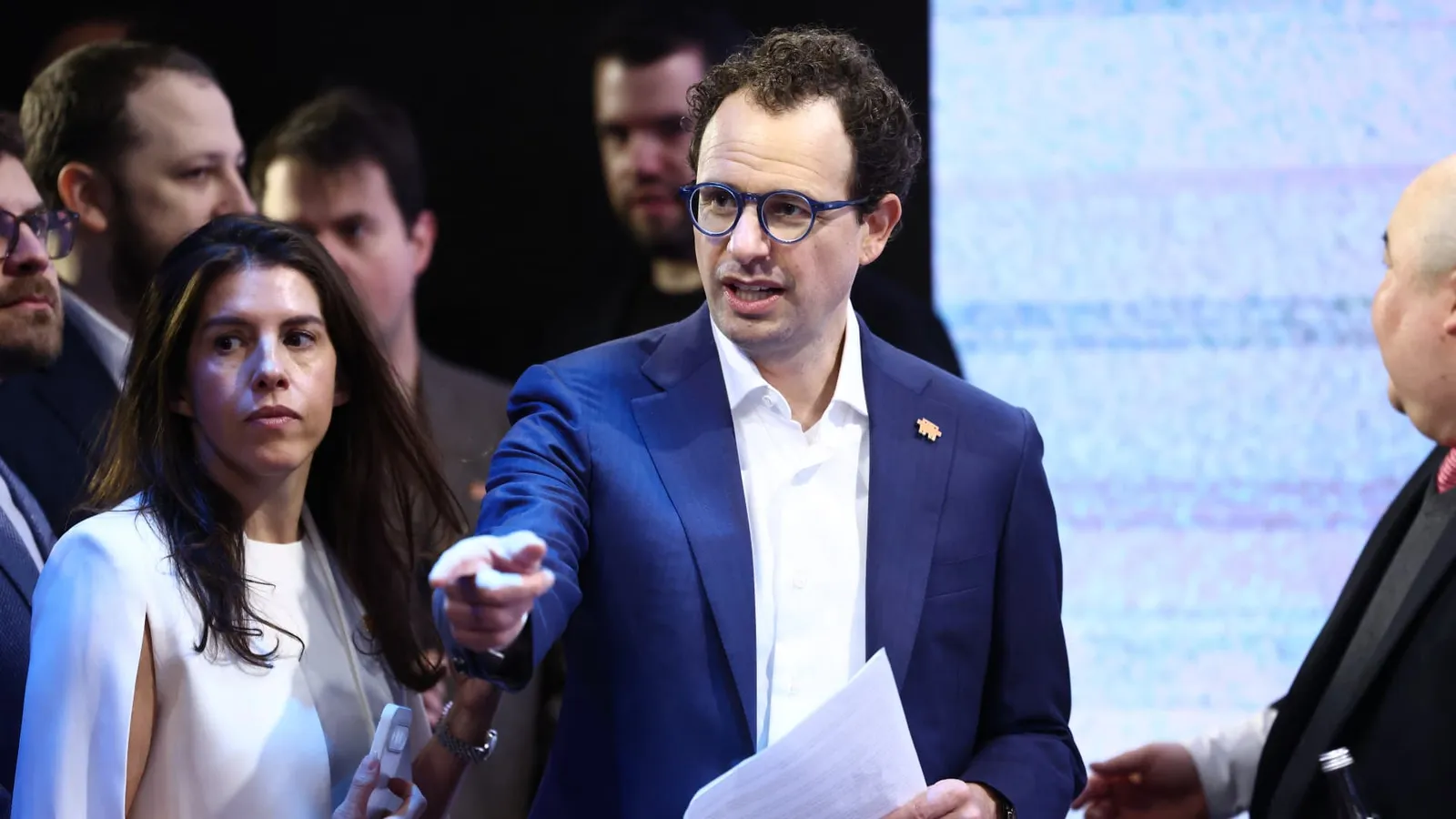
Anthropic's record IPO lands a day before Nvidia's longest losing streak since 2008
Anthropic's record Nasdaq debut and Nvidia's longest weekly losing streak since 2008 landed within 24 hours of each other, and the contrast shows how fast the market is re-pricing the AI trade.
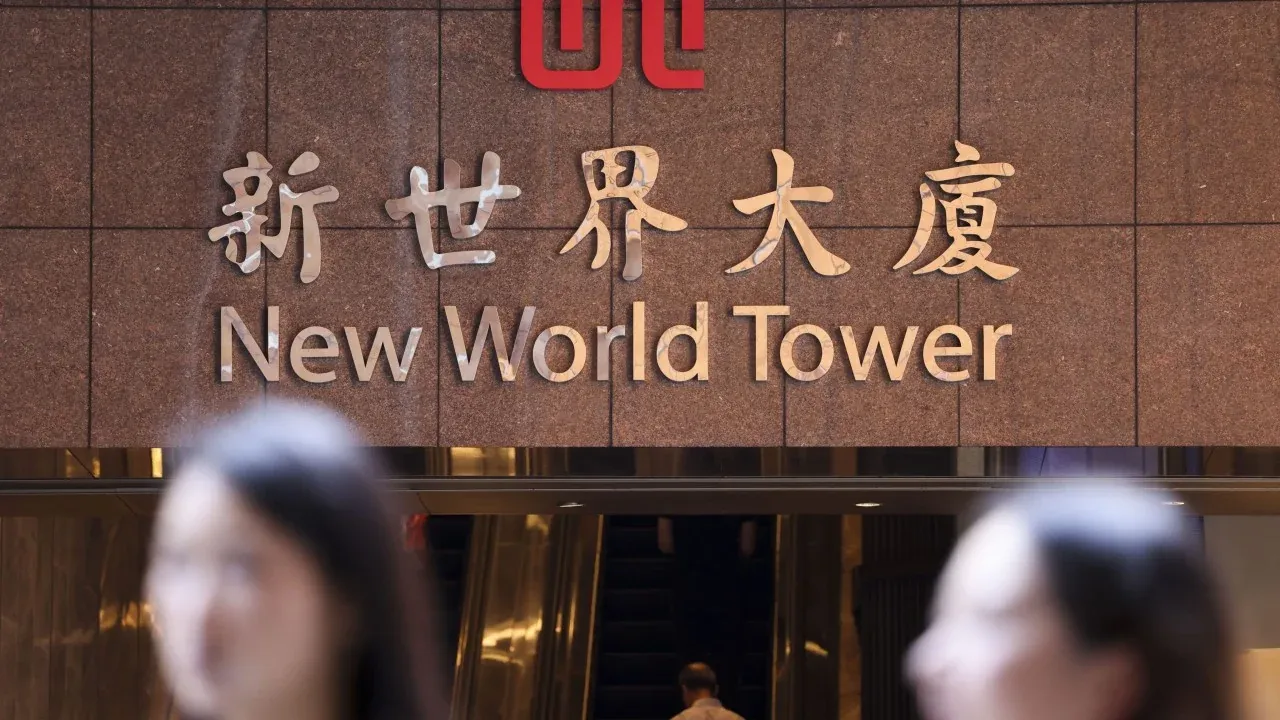
New World's HK$24.9B rights issue triggers 41% plunge as HK$50B debt target looms
New World Development has three levers left to erase up to HK$50 billion in borrowings by 2031, and shareholders just told the market what they think of the first one.

Chip supply chain warns new US export controls will spread beyond the target list
Suppliers, distributors and equipment makers say the latest US restrictions will not stay contained to the firms named on paper, putting orders, inventory and delivery timelines at risk across the global chip chain.