
Fireworks jumps to a $17.5B valuation as cheaper AI models draw more customers
The Nvidia-backed startup pivots beyond Cursor revenue, betting that lower-cost AI is the new default.
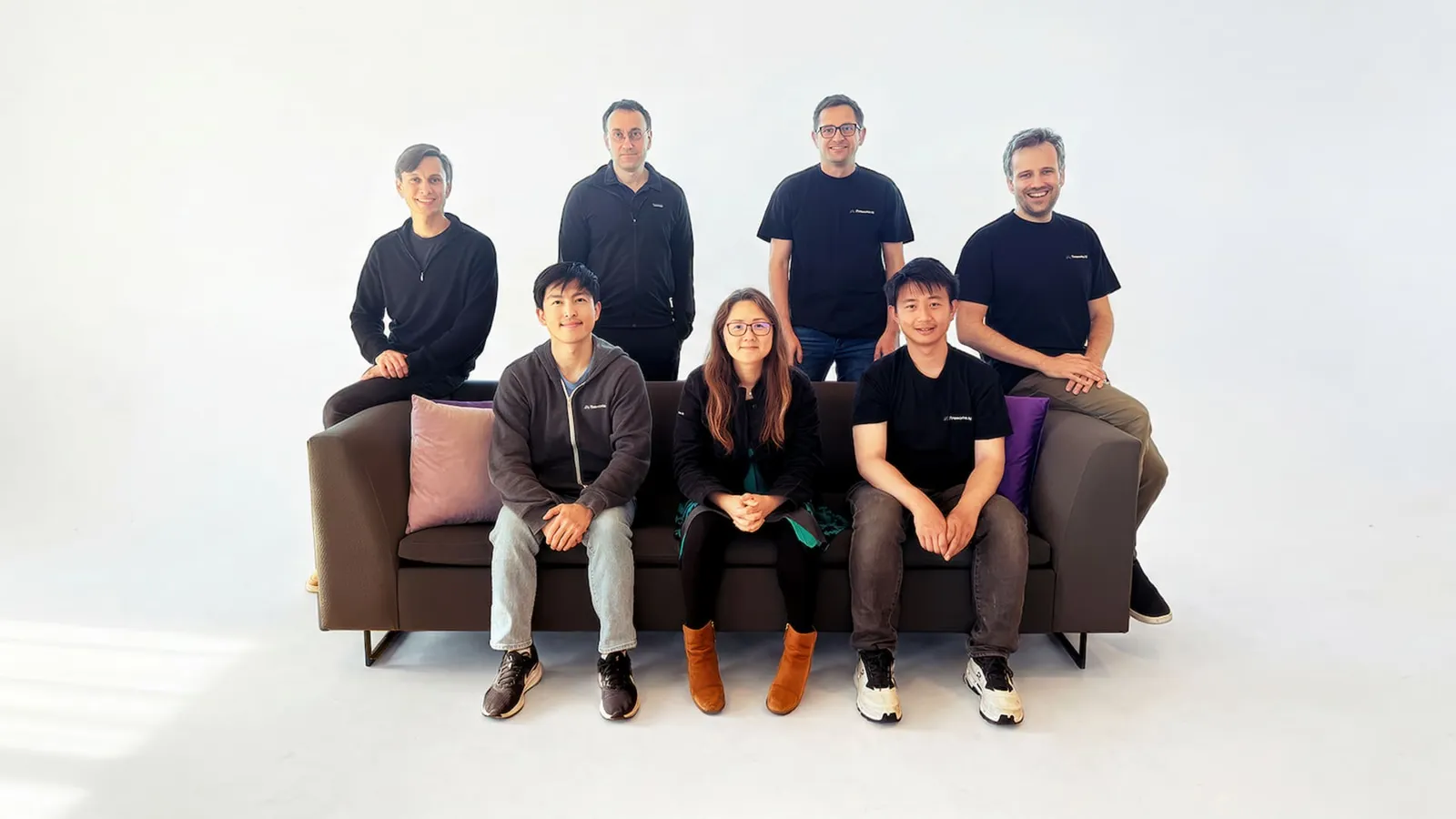
Fireworks, an Nvidia-backed company, has reached a $17.5 billion valuation as more companies pursue cheaper AI models. Its shift reflects how demand for AI access is changing, and that forces pricing, product focus, and partnerships to evolve.
Fireworks just hit a $17.5 billion valuation, and the reason is not a shiny new feature pitch. CNBC reports that the Nvidia-backed company has been pulled into a broader shift: companies are increasingly pursuing cheaper AI models, and Fireworks has managed to grow as the market changes.
That growth matters because Fireworks previously depended heavily on revenue from a coding startup called Cursor. But in the past year, the company has diversified. In other words, it moved from “single-big-well” dependence toward a more durable mix, at the exact moment the AI buyer’s mindset started to tilt toward cost control.
To understand why this is such a big deal for executives, you have to zoom out on what “cheaper AI models” really signals. When AI is expensive, the first wave of adoption tends to concentrate where budgets are easiest and urgency is highest. Teams that want AI output for coding, analysis, or workflow automation often start with premium options. But once more buyers decide the goal is scalable usage, not just best possible outputs, pricing and efficiency become the product.
That shift changes the whole adoption curve. Instead of only letting elite teams experiment, cheaper models expand where AI can show up: more seats, more frequent usage, and more departments. The market gets wider and the average customer gets more price-sensitive. For a startup like Fireworks, that means customer demand can move from “one partner’s revenue stream” toward “many buyers with many use cases,” especially if those buyers are looking for lower-cost ways to get similar outcomes.
There is also a partner ecosystem angle that boards should care about. The source notes that Fireworks once relied heavily on Cursor, then diversified over the past year. When a company is tied tightly to one ecosystem partner, growth can look impressive right up until it suddenly becomes fragile, for two reasons. First, partner economics change. Second, product direction changes. Diversification is how you reduce the chance that your valuation story depends on one relationship staying perfectly aligned.
Now layer in the Nvidia-backed part. Nvidia is not just a chip supplier in the AI world; it is part of the gravitational pull that makes AI infrastructure and model development more accessible. For investors and executives, that backing often signals credibility and distribution pathways, but it does not automatically eliminate execution risk. What Fireworks is showing here is that it can adapt its revenue mix to match customer behavior, even as the market seeks cheaper alternatives.
The “cheaper model” trend also creates second-order pressure across the stack. If customers move toward lower-cost models, then the winners often include companies that can integrate, route, fine-tune, or otherwise make those models practical for real workflows. That does not mean the best model wins forever. It means the best total experience at an acceptable cost wins more consistently. For decision-makers, this can be uncomfortable, because many organizations still internally reward the “most capable” option, even when usage volume is where ROI actually happens.
On the regulatory side, the AI market is still navigating an evolving patchwork globally, with governments increasingly focused on safety, transparency, and risk management. While this CNBC item does not cite specific regulatory actions, it still matters because regulation tends to increase compliance overhead. When compliance costs rise, buyers become even more focused on unit economics, because they need AI to stay economically feasible while meeting internal and external requirements. That makes cost-efficient models more than a convenience. They can become a necessity for scaling responsibly.
For competitors and peers, Fireworks reaching a $17.5 billion valuation is a scoreboard message: the market rewards adaptation as buyers shift toward cost. If you are a CFO or a board member at an AI-adjacent company, the takeaway is clear. You cannot just build for peak performance. You need a plan for how your revenue mix survives when customers chase cheaper AI models and when a formerly core partner stops being the whole story.
This story's Key Insights and Take-aways are locked.
Create a free account to unlock Executive Actions for one credit.
Register to UnlockAlways free for Executives Club members. Join the Club
More in Technology

Google quietly links your phone number to every Android account on your SIM
Adding a SIM now ties your phone number to all Google accounts - and future accounts inherit it. Here's the security and privacy stakes.

Hijacker AI 'Skynet mode' runs 100,000 attack steps against exposed models
Symantec caught a criminal AI agent that borrows other models, steals data, and mines crypto; the only relief is no confirmed victims yet.

Nvidia's AI-financier shift faces its first big test as neoclouds stumble
A rout in neocloud stocks is forcing investors to weigh Nvidia's hidden exposure as both supplier and lender to the AI buildout.