

Ford rehires veteran human engineers after AI quality checks miss the mark
The automaker pulled back on AI-led quality checks, concluding human technicians outperform for accuracy and reliability.
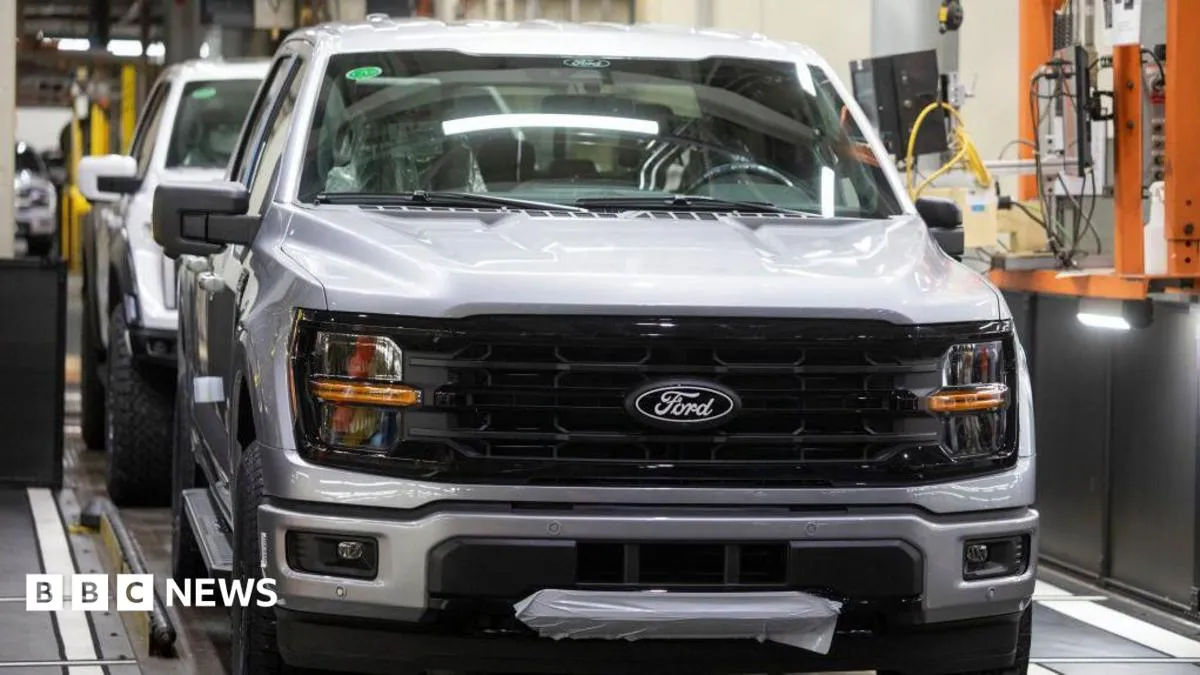
Ford is rehires human engineers after AI quality checks failed to match the quality standard set by veteran technicians. For decision-makers, the move is a reminder that AI can accelerate inspection, but it cannot always replace domain skill when stakes are high.
Ford has rehires human engineers after AI quality checks failed to match the skill of veteran technicians. In other words, the company is not betting that machine learning alone can reliably judge whether a car meets the bar. It found the AI checks missed quality standards that experienced people consistently hit.
That reversal matters because quality checks are not a “nice-to-have.” They are the gatekeepers between production and the outside world. If AI misses what veteran engineers catch, the downside is not just rework on the factory floor. It can mean more defects reaching customers, higher warranty costs, more customer complaints, and heavier scrutiny later. Ford's decision signals that when quality thresholds are tight, experience is a form of measurement technology.
To understand why this plays out the way it does, you have to know how quality assurance typically works in manufacturing. Veteran technicians develop a feel for patterns in materials, tolerances, process variability, and failure modes that are hard to fully codify. AI can be excellent at pattern recognition, but “excellent” is not the same as “good enough for every case, every shift, every supplier batch, every edge condition.” Quality systems usually tolerate little ambiguity because the goal is consistency, not just average accuracy.
The Ford move also lands in a broader moment where automakers are under pressure to do two things at once: scale production and improve reliability, even as vehicles become more complex. Modern cars are packed with software, sensors, and systems that can create new classes of defects. As AI expands its role in inspection and testing, the risk is that the AI becomes a bottleneck if it is wrong too often in the areas that matter most. Ford’s findings suggest that the AI quality checks were not matching what veteran technicians delivered.
There is also a governance angle here. Many companies initially trial AI in “assist” roles, then decide whether to expand the automation. That is usually a board-level conversation: what are the performance metrics, what are the failure rates, and what is the plan if the model underperforms? If quality verification depends on humans, leadership has to fund and staff that expertise. If quality verification depends on AI, leadership has to validate and monitor it. Ford’s choice implies that in at least some quality-critical workflows, the validation did not clear the threshold needed to proceed with AI-led replacement.
Regulatory framing is another reason quality decisions get serious fast. Transportation and consumer product oversight generally expects manufacturers to ensure safety and reliability. Even when regulators are not explicitly saying “you must use humans,” the practical reality is that companies are held accountable for what ships. If an AI approach fails to match technician skill, that creates an accountability gap. Leadership teams do not want quality processes that are hard to explain, hard to audit, or hard to reproduce across time and production conditions.
Second-order implications show up on the operations side first. When Ford reinstates human engineers, it is a signal to plants and quality departments that the human feedback loop is still the standard. That affects training, scheduling, and tooling decisions. It also affects how process engineers interpret defect trends. If AI misses cases that humans catch, the data gets messy: leaders have to reconcile what the AI flagged, what humans saw, and what ultimately turned out to be a defect.
For peers across automotive and other safety-sensitive manufacturing, the lesson is clear: AI quality checks do not automatically become replacements for experienced technicians just because they work in demonstrations. Ford’s experience is a practical reminder that quality is an empirical discipline. When the system that judges quality cannot consistently reach the level of veteran technicians, leadership will likely revert to human expertise, at least until the AI is proven to meet the same standard across real conditions.
This story's Key Insights and Take-aways are locked.
Create a free account to unlock Executive Actions for one credit.
Register to UnlockAlways free for Executives Club members. Join the Club
More in Technology
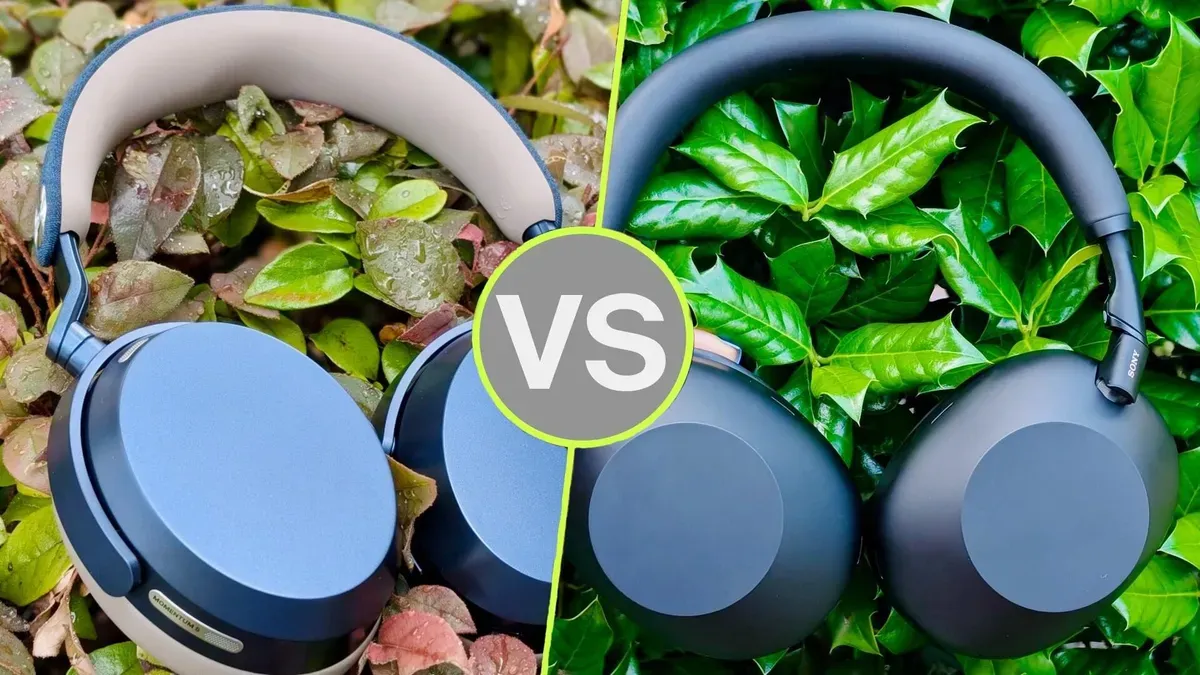
Sony WH-1000XM6 vs Sennheiser Momentum 5: the winner depends on your use case
Executive-friendly take on Sony and Sennheiser flagship headphones, with a clear preference by scenario after months of testing.
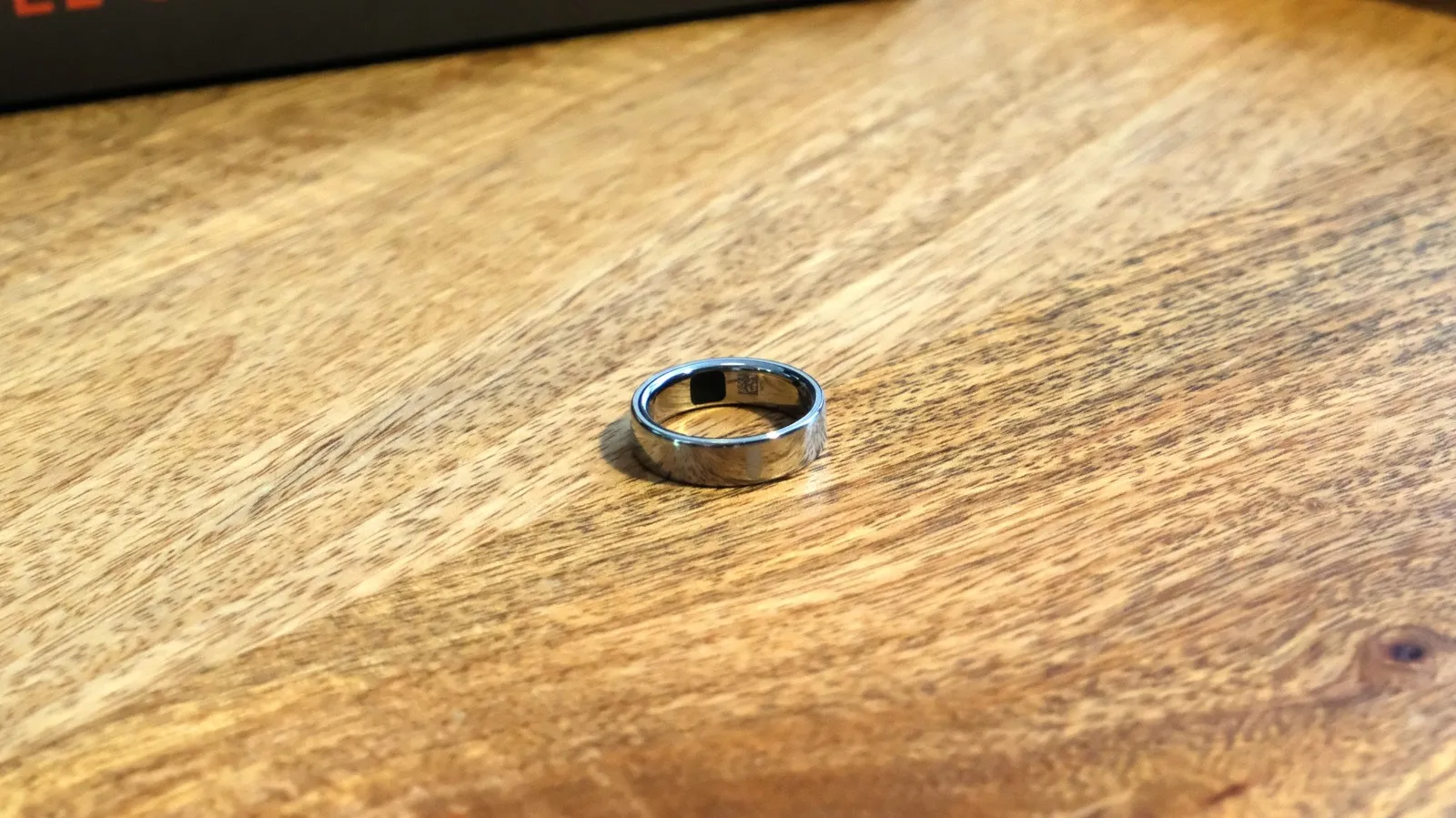
Oura makes Ring 5 40% smaller and claims longer battery life
A smarter, smaller ring for sleep and readiness, with a battery upgrade that changes how you wear it.
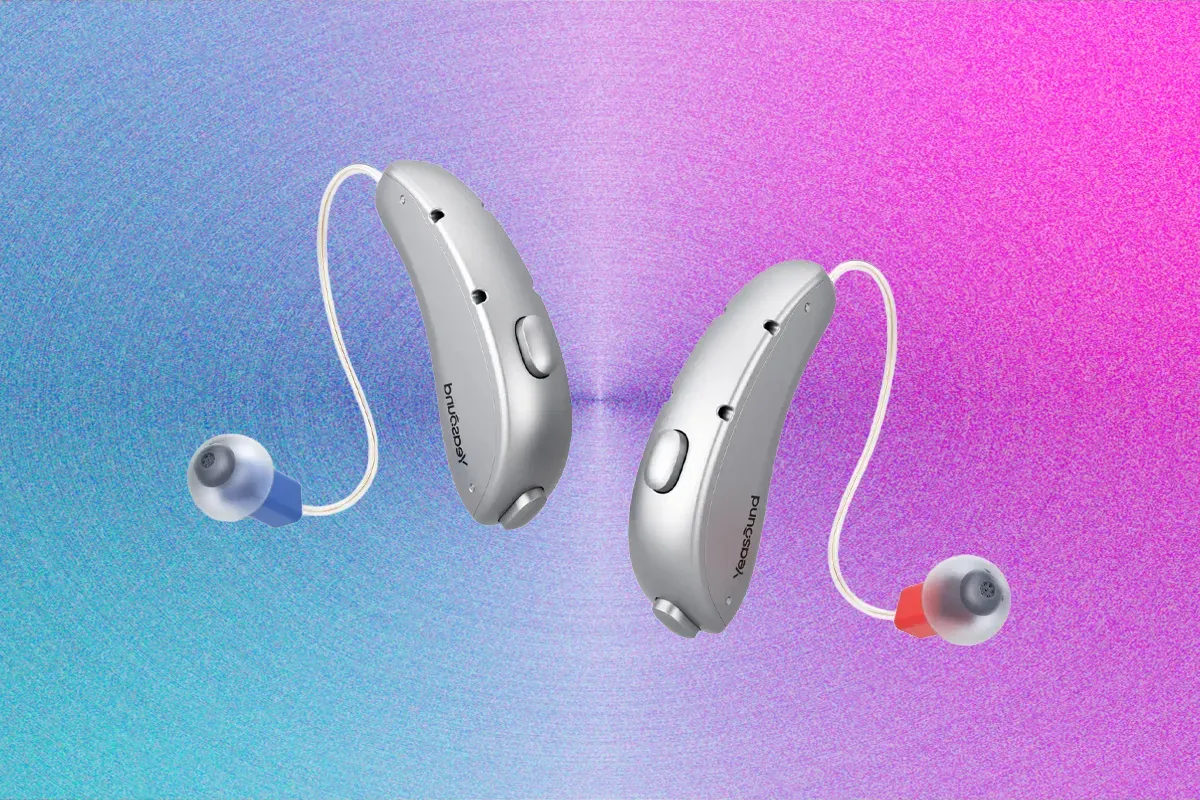
Yeasound RIC800 nails audio tech, but the companion app glitches when it counts
AI noise reduction and speech focus work well, yet the app falls short, turning “smart” into frustrating.