
Oura makes Ring 5 40% smaller and claims longer battery life
A smarter, smaller ring for sleep and readiness, with a battery upgrade that changes how you wear it.
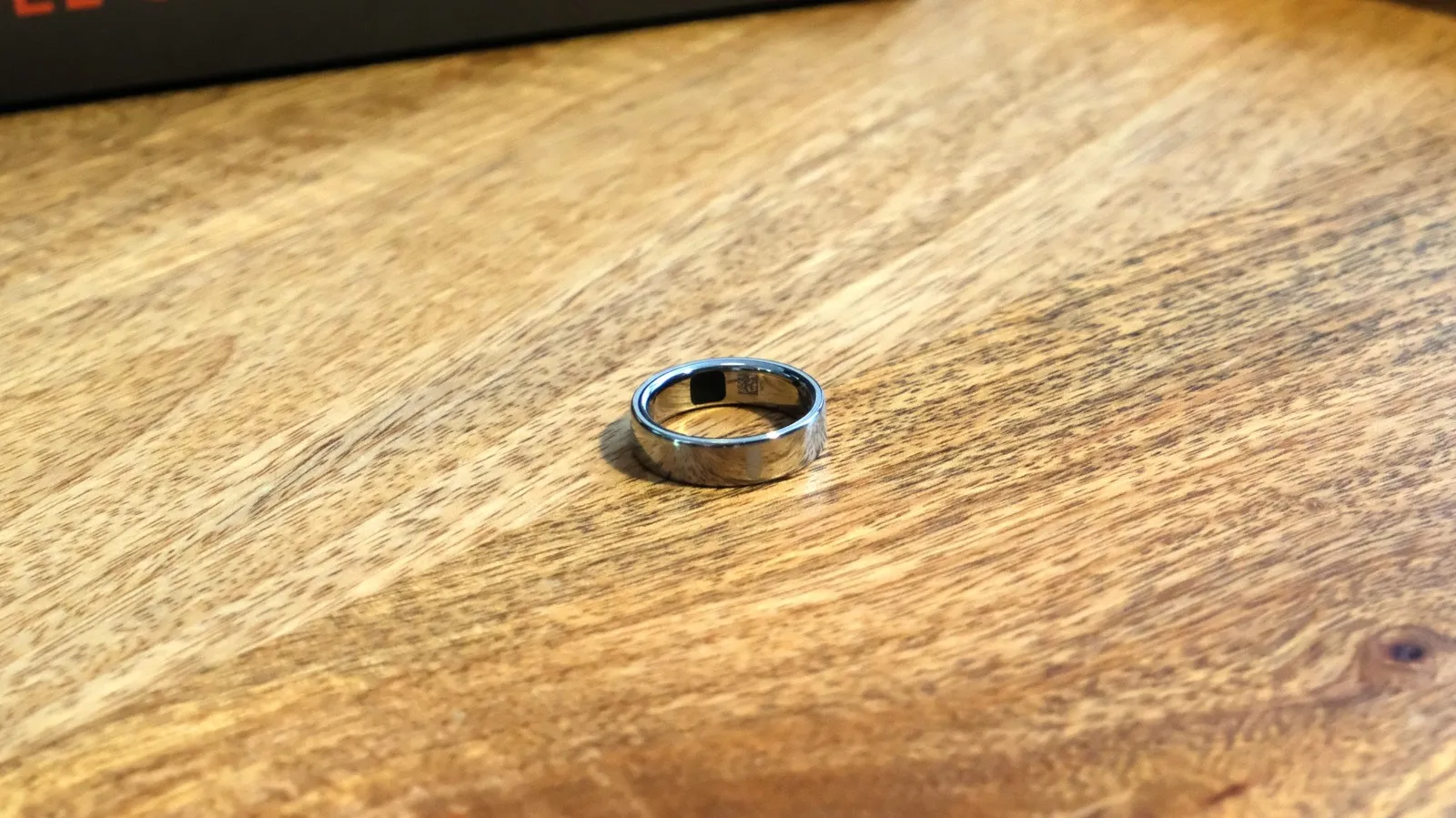
Oura’s Ring 5 review highlights a redesign that makes the smart ring 40 percent smaller and improves battery life. For decision-makers watching consumer health wearables, the update signals how Oura keeps pushing the hardware bottleneck: comfort first, endurance next.
Oura’s Ring 5 review is basically the company admitting something the market already knows: if a wearable is comfortable enough, you wear it long enough to matter. In this case, Oura says it made its smart ring 40 percent smaller. It also says it made the battery last longer. That is the whole story, and it is also the whole bet.
Why does that matter right now? Because the consumer wearable space lives and dies by adherence. Most people will try a new health tracker once. Fewer keep wearing it through the messy parts of real life, like weekends, travel, workouts, and nights when you just want the thing on your body to stop bothering you. A 40 percent size reduction directly targets friction. A longer battery life targets the second failure mode: you get tired of charging, you stop using the device consistently, and your data becomes less useful. Oura is trying to prevent both drop-offs in one product cycle.
Zoom out to the category mechanics. Smart rings sit in an awkward but powerful spot between fitness trackers and medical-adjacent wearables. They are typically pitched around sleep, readiness, and daily wellness signals. That means the product is only as valuable as the time it stays on. Unlike a watch, a ring has less room for bigger batteries and advanced sensors, which is why “comfort and endurance” are not just features. They are the product strategy. If you cannot keep the ring on your finger, you cannot keep collecting the signals that make it feel “intelligent.”
So Oura’s decision to shrink the hardware and extend battery life is not random engineering flex. It is a response to how consumers evaluate wearables. People do not wake up thinking, “I wish this device were marginally more energy efficient.” They think, “Will I forget it?” and “Will I remember to charge it?” The Ring 5 review frames the update in exactly those terms: smaller, and the battery lasts longer. Those two changes reduce the number of times a user has to mentally manage the device, and they increase the chance that the ring stays a background habit rather than a daily task.
There is also a regulatory and trust angle, even if this specific review excerpt does not go into regulatory detail. In consumer health tech, the boundary between “wellness” and “medical” is watched carefully because it affects what companies can claim. When a device is positioned as capturing sleep and readiness insights, consistency and data quality become part of the credibility story. Better adherence leads to more complete datasets. More complete datasets make it easier for the device to deliver meaningful, stable patterns. While regulators do not directly approve “comfort,” they do care about the claims and the evidence behind them. A product that improves the likelihood users will wear it longer is, indirectly, a way to strengthen the foundation for the insights delivered.
Then comes the competitive and capital-planning subtext that matters for boards and investors. Consumer wearables are not just about features. They are about manufacturing trade-offs, replacement cycles, and churn. Smaller hardware can complicate engineering and materials, but if it succeeds, it can expand the addressable market. Comfort tends to lower the psychological barrier to trying the product, especially for people who have never worn a tracker before or who find watches bulky. Longer battery life can reduce churn by making the device feel less fragile in everyday use. In a market where customers can easily switch to the next shiny gadget, operational improvements that reduce user pain are durable moats.
The second-order implication is that Ring 5 is likely designed to defend Oura’s “class-leading” positioning by removing the most common objections that show up when someone is deciding whether to keep a smart ring. The review calls out that Oura’s smart ring is class-leading, and then it focuses on two knobs that directly affect daily utility: size and battery duration. That is a smart use of limited product surface area. Most companies can add a feature. Fewer can make the core object easier to live with.
If you are a founder, operator, or investor watching this space, the lesson is simple but not easy: consumer health wearables are iteration machines, and the iteration often has to happen where users feel it first. For Ring 5, Oura is telling you the next step is not louder marketing or more complicated tech. It is a smaller ring and a longer-lasting battery. In this category, that is how you keep users wearing the device long enough for the insights to mean something, and it is how you keep the product relevant beyond the novelty phase.
This story's Key Insights and Take-aways are locked.
Create a free account to unlock Executive Actions for one credit.
Register to UnlockAlways free for Executives Club members. Join the Club
More in Technology

Nvidia's $89B data center quarter: the 9 companies cashing in
The AI buildout is minting fortunes beyond GPUs, and memory, cloud, and cooling suppliers are riding the same wave.

Google quietly links your phone number to every Android account on your SIM
Adding a SIM now ties your phone number to all Google accounts - and future accounts inherit it. Here's the security and privacy stakes.

Hijacker AI 'Skynet mode' runs 100,000 attack steps against exposed models
Symantec caught a criminal AI agent that borrows other models, steals data, and mines crypto; the only relief is no confirmed victims yet.