
France expects 1,000+ heatwave deaths; Paris mortuaries are already full to the brink
A cautious estimate of at least 1,000 extra deaths collides with overflowing Paris-area mortuaries, forcing urgent operational and policy scrutiny.

France estimates its heatwave death toll rose by at least 1,000 people, though authorities say the figure is at the cautious end. Paris mortuaries in the capital and its immediate region report they are already full to the brink as the country continues counting heat-related deaths.
France expects the death toll from last week’s devastating heatwave to be higher than previously understood, with an estimate that its death rate rose by at least 1,000 people. Officials describe that number as the cautious end of the estimate, meaning the final figure could be worse as authorities keep tallying heat-related deaths.
That grim accounting is colliding with a brutal operational reality in the place where the public can least afford delays: Paris and its immediate region. Mortuaries there report they are already full to the brink. In other words, this is not just a statistical exercise. It is a capacity crisis happening in real time while investigators and public health teams work through the totals.
To understand why this matters beyond France, it helps to zoom out on how heatwave events typically stress systems. Extreme heat increases the risk of heat-related illness and death, but the impact does not land neatly in a spreadsheet. It cascades. Hospitals face surges, emergency services get stretched, and then, downstream, mortuary capacity becomes a bottleneck. When that bottleneck fills quickly, it can complicate identification, increase turnaround times, and expose weaknesses in emergency planning and contingency logistics.
The source highlights that authorities are still continuing to tally the number of heat-related deaths. That detail matters for decision-makers because it implies the death estimate is not a fixed number, it is a moving target. A figure described as “at least 1,000” with a “cautious end” framing signals uncertainty. Executives and boards should treat that uncertainty as operational risk, not as a reason to wait. If the cautious estimate already implies a major death surge, a higher final number intensifies every secondary effect tied to capacity, staffing, and public trust.
There is also a governance angle that tends to get missed in crisis coverage. When a country is still counting deaths, agencies are juggling two competing imperatives: accuracy and speed. Accuracy requires careful classification of heat-related deaths, coordination across jurisdictions, and robust verification. Speed requires triage-like decision-making for resources such as refrigeration, body management workflows, and transport. The fact that mortuaries are “full to the brink” suggests that the speed problem may already be outrunning the capacity baseline.
For executives in healthcare, logistics, facilities management, and even sectors that rely on municipal and national infrastructure, the operational lesson is straightforward: extreme weather stress tests everything that usually runs quietly in the background. Cooling systems, staffing rosters, overtime policies, and vendor contracts become critical. In many organizations, those plans exist on paper for “rare events.” Heatwaves increasingly fail the “rare event” assumption, which forces a harder question for boards: are contingency plans actually sized for the worst-case scenario, or are they optimized for the most common crisis?
Public policy and regulatory framing add another layer. Even without quoting specific regulatory actions in the source, the core reality is that heat-related deaths trigger heightened scrutiny of preparedness and response. When mortuaries report being full to the brink, it raises pressure on governments to demonstrate that they can scale capacity quickly. That pressure can translate into policy changes for emergency management, public health outreach during high-heat forecasts, and infrastructure investments. For decision-makers, that can be a near-term compliance issue, but also a medium-term reputational and stakeholder issue.
Second-order implications show up in procurement and coordination. If morgue capacity is strained, the ripple can affect transport providers, hospitals’ discharge and intake workflows, and family services. Those downstream effects can create friction across contracts and jurisdictions when speed matters most. And because the source says the estimate for extra deaths is already at least 1,000 but likely higher, organizations should plan for the possibility that the crisis continues to evolve after the heatwave ends.
Ultimately, this is about what happens when a measurable shock meets a constrained system. France’s estimate of at least 1,000 extra deaths during last week’s heatwave, paired with Paris-area mortuaries already full to the brink, is a clear signal that the response is not just about counting the dead. It is about managing capacity under uncertainty while the final numbers are still being tallied. For executives and boards watching from other countries and regions, the takeaway is uncomfortable but actionable: when extreme heat hits, the bottlenecks appear quickly, and the later the scale-up, the harder every subsequent decision becomes.
This story's Key Insights and Take-aways are locked.
Create a free account to unlock Executive Actions for one credit.
Register to UnlockAlways free for Executives Club members. Join the Club
More in Politics
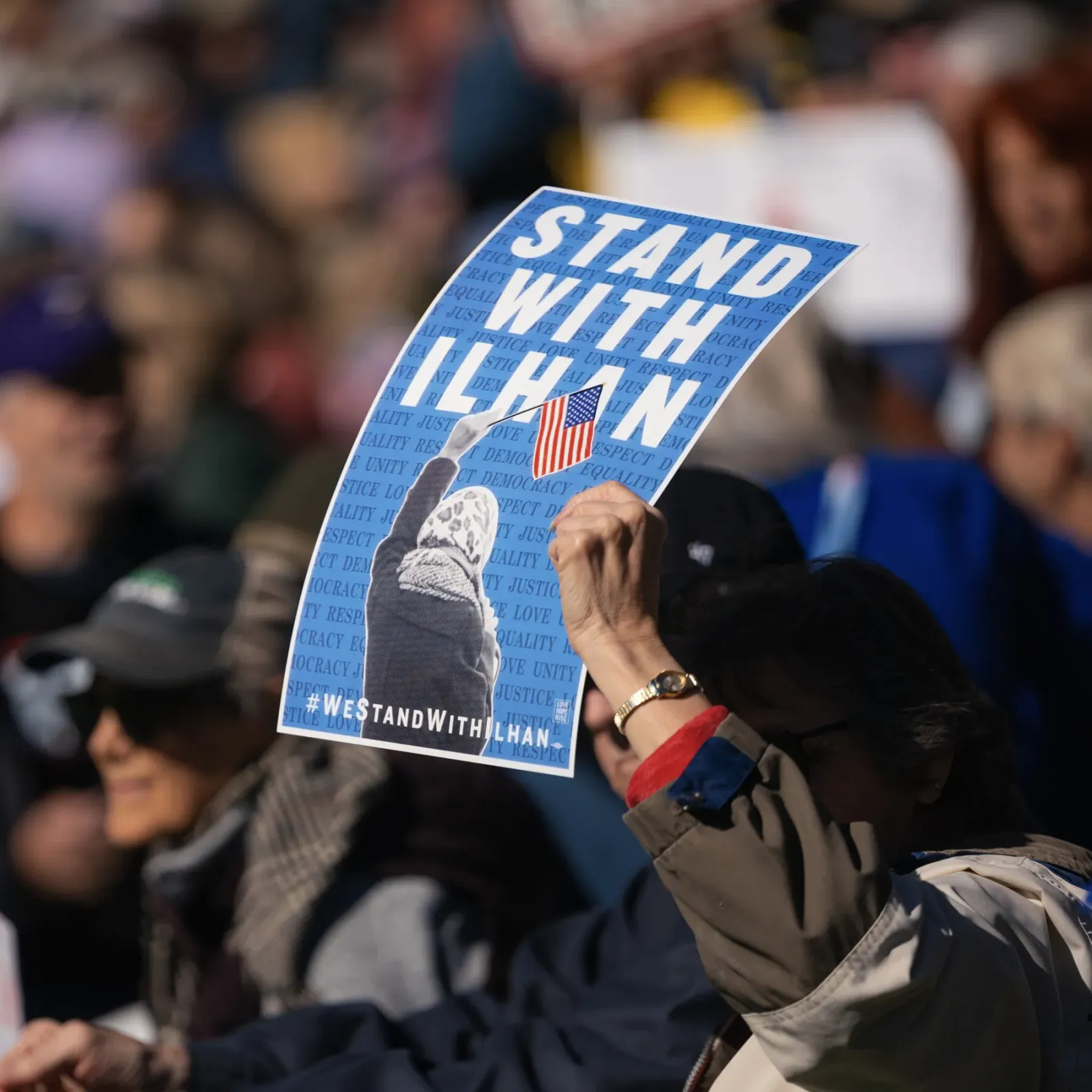
Obama Defends Ilhan Omar After Agents Search Her Home in Trump Inquiry
The former president's intervention raises the stakes in a federal probe into immigration paperwork that has put a prominent progressive lawmaker in the crosshairs.

Blair-era minister: cut welfare to fund youth job support
Alan Milburn's call for welfare cuts to fund employment support opens a Labour fight over benefits and the Neet crisis.

Hot September CPI: energy costs surge, voters feel the squeeze before midterms
The latest inflation print lands as Trump campaigns for GOP control of Congress, putting cost-of-living worries at the center of the midterm fight.