
France moves to stop wildfires before they start amid worst season in decades
Officials are stepping up prevention as France faces its worst wildfire season in decades, shifting the fight to earlier stages.
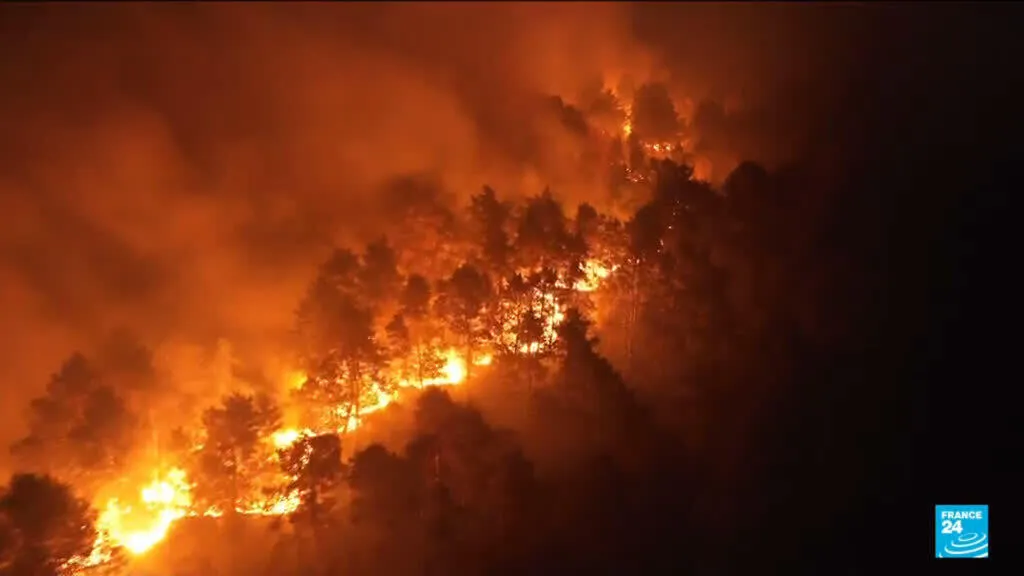
France is grappling with what officials describe as its worst wildfire season in decades, and authorities are now looking at ways to stop fires before they even start, according to France 24. For decision-makers, the shift matters because prevention efforts can change how governments allocate budgets and how businesses plan for climate and fire risk.
France is grappling with what France 24 describes as its worst wildfire season in decades. In the middle of that reality, officials are not waiting for flames to appear. They are looking for ways to stop fires before they even start, essentially moving the wildfire battle upstream, before a spark becomes a crisis.
Catherine Viette, reporting for France 24, frames the challenge as a prevention problem, not only an emergency response problem. When a season is at its worst, “after the fact” actions like firefighting, evacuations, and damage control are often too late to prevent losses. The focus on preemptive fire prevention suggests that French authorities are trying to reduce ignition risk, spot dangerous conditions earlier, and intervene when there is still time to prevent escalation.
To understand why this is a big deal for executives, it helps to recognize what wildfire seasons do to systems. Even when the fires themselves are localized, the downstream effects are national or regional. Air quality can be impacted, roads and transport can be disrupted, and local economies can take hits through closures and insurance stress. For companies operating in affected regions, that means wildfire seasons can translate into supply chain delays, property risk, worker safety concerns, and higher costs for continuity planning.
There is also a governance and regulatory angle that executives should care about. Fire prevention is typically a mix of land management, public infrastructure, enforcement, and public communication. When officials shift emphasis toward “stop it before it starts,” it often implies tighter coordination between agencies that handle land, weather and emergency management, and enforcement. Those coordination shifts can lead to new compliance expectations for landowners and businesses, or at least to more scrutiny of practices that affect ignition risk, such as how vegetation is managed or how high-risk activities are conducted during dangerous periods.
Another reason the prevention push is strategically important is that it changes where budgets go. Emergency response funding can ramp dramatically during severe seasons, but it is usually reactive. Prevention, by contrast, is often slower and more operationally demanding up front. It requires investment before the peak chaos hits, plus political will to fund actions that may never look impressive in the moment because success means fewer visible fires. When a country is in its worst wildfire season in decades, prevention spending and policy attention can suddenly become easier to justify because the cost of waiting is now tangible.
For boards and senior leadership teams, there is a second-order implication too: prevention policy can become a moving target during severe weather years. As officials attempt to intervene earlier, they may adapt rules quickly based on what they are seeing in the field. That means businesses need agility in risk management and operations planning. It is not just about having a plan for when a fire happens, but also about how rapidly conditions can change and how enforcement priorities might shift mid-season.
Finally, prevention-focused wildfire governance is not happening in a vacuum. In countries facing similar climate and land-use pressures, the trend toward earlier intervention often reflects a broader shift from disaster response toward risk reduction. That shift affects everything from insurance underwriting to infrastructure planning, and it can influence how companies assess resilience. If France is stepping up efforts to stop fires before they even start during its worst season in decades, it signals that prevention is moving from a “nice to have” to a core part of national risk strategy.
In short: France is in a severe wildfire moment, and the response is moving upstream. The headline point is simple and urgent: officials want to prevent fires before they start. For executives, the consequence is also clear. When governments treat wildfire prevention as a priority, it can reshape compliance, budgeting, and operational risk planning across the regions that live with fire every summer.
This story's Key Insights and Take-aways are locked.
Create a free account to unlock Executive Actions for one credit.
Register to UnlockAlways free for Executives Club members. Join the Club
More in Politics
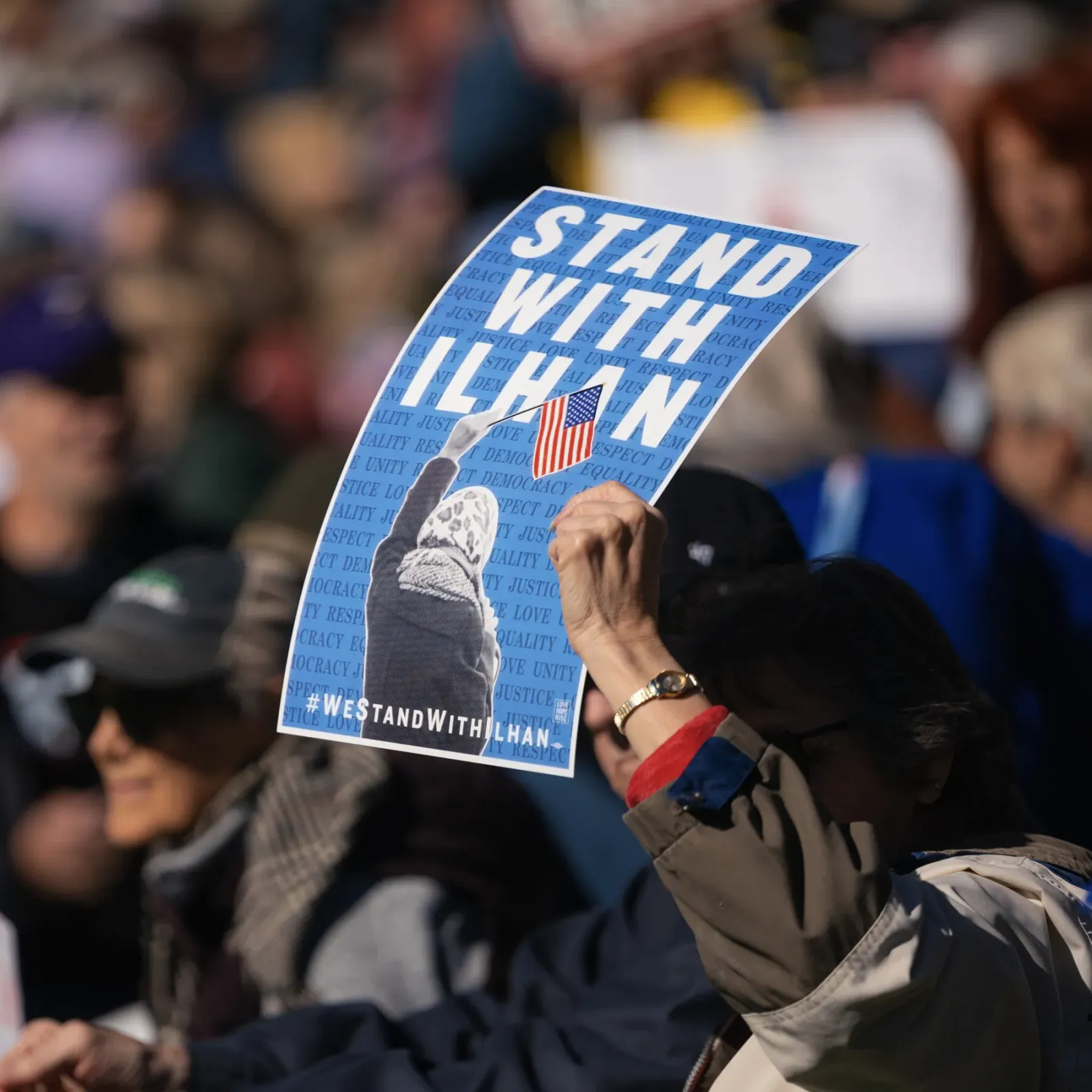
Obama Defends Ilhan Omar After Agents Search Her Home in Trump Inquiry
The former president's intervention raises the stakes in a federal probe into immigration paperwork that has put a prominent progressive lawmaker in the crosshairs.

Blair-era minister: cut welfare to fund youth job support
Alan Milburn's call for welfare cuts to fund employment support opens a Labour fight over benefits and the Neet crisis.
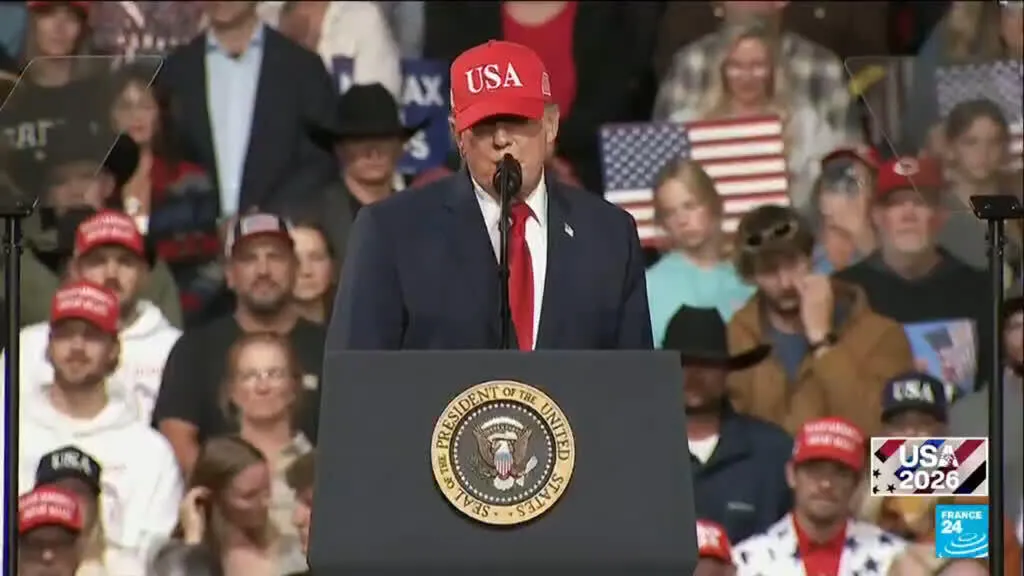
Hot September CPI: energy costs surge, voters feel the squeeze before midterms
The latest inflation print lands as Trump campaigns for GOP control of Congress, putting cost-of-living worries at the center of the midterm fight.