
GCC Unified Visa 2026 goes digital: online portal, 3-7 days, $100-150 costs
A Schengen-style GCC rollout promises less red tape, but eligibility, insurance, and pilot restrictions still matter.

The GCC Unified Visa, also called the “GCC Grand Tours,” is being rolled out later in 2026 in phases and aims to reduce bureaucracy across UAE, Saudi Arabia, Qatar, Kuwait, Bahrain, and Oman. For decision-makers, the shift to a single digital e-visa portal can tighten travel planning, compliance checks, and cost forecasting for tourism and business travel.
The GCC Unified Visa for “GCC Grand Tours” is shaping up as the biggest travel-rule simplification in the Gulf since governments started digitizing visa workflows. The pitch is clear: a Schengen-style model for non-EU nationals, so travelers can move across the GCC with one coordinated visa process rather than applying country-by-country for entry into the UAE, Saudi Arabia, Qatar, Kuwait, Bahrain, and Oman. The rollout is slated for later this year, and as of June 2026 it is still being introduced in phases, with reports suggesting more pilot programmes later in the year.
Here is what that means in practical, executive-relevant terms: once open, the expected application process is fully digital, conducted entirely online through a unified GCC portal. The source also points to a cost range of roughly $100-150, with visas valid from 30-90 days and expected categorized as multi-entry, and an expected processing time of 3-7 working days. That combination of speed and price matters because it changes how quickly travel can be organized for tourism and business trips, and it reduces the friction that usually slows down cross-border movement.
Why the Schengen comparison keeps coming up is not just branding. Historically, travelers had to apply individually for entry into each GCC country, which effectively forced people to treat a multi-country trip like multiple separate projects. The Unified Visa reframes that into one process, with a single submission pathway. The visa system has been given the green light, but official government portals have not yet fully launched for all applicants as of June 2026, and the expectation is that they will be rolled out throughout the rest of the year. In other words: the system exists, the policy direction is set, but the operational experience will vary as pilot phases expand.
The mechanics are where the compliance and operations teams will lean in. The source says eligibility may initially depend on factors that are not fully specified, while it is suggested that some nationalities could receive priority rollout first. Regardless of priority, applicants will need a valid passport for at least 6 months, plus a standard passport photo. Crucially, applicants will need travel insurance for all GCC states, which turns insurance from a “buy when convenient” add-on into a core requirement for successful applications.
Applicants also need documentation that signals intent and ability to travel responsibly across multiple jurisdictions. The source says successful applicants will need to show hotel bookings or accommodation details, proof of a return or onward ticket, and in some instances bank statements to provide evidence they can independently support themselves financially. This is the kind of rule that can create operational bottlenecks if travelers (or the companies booking for them) do not assemble documents early. It also explains why a single digital portal is not the same thing as instant travel freedom. A smoother application still requires evidence, and evidence still takes time to produce and verify.
The “digital, unified portal” angle is also part of a larger governance trend across the GCC. The source frames this as part of ongoing digitisation of how governments interact with citizens, residents, and tourists, so it should come as no surprise that applications will be exclusively conducted online. It further notes that applications will be submitted through a single GCC e-visa portal when the system is officially opened. For stakeholders who rely on tourism flow and business travel, this can reduce random variability caused by consulate visits or visa office requirements, but it increases the importance of consistent online documentation standards.
One portal currently providing updates is listed as the “Unified GCC e-Visa Portal.” The source says once online, applicants need to follow steps on that portal, although it does not enumerate every step in the excerpt. It also flags that some GCC countries may still impose separate restrictions or additional checks during the pilot phase. That pilot reality matters: even with a unified visa concept, local checks can influence how long it takes to clear requirements and whether travelers are treated uniformly from the start.
Finally, for anyone budgeting, forecasting, or coordinating travel programs, the category of the visa is not a footnote. The source is explicit: this is a tourist/business travel visa and is totally separate from a long-term residence or work pathway. Rules differ nationality-to-nationality, and pilot-phase restrictions may add extra friction. The strategic stake for peers in travel, hospitality, corporate travel management, and cross-border commerce is straightforward: the Unified Visa could tighten the loop between planning and execution by moving most of the process online and compressing processing time to 3-7 working days, but that benefit only fully lands when pilot phase inconsistencies and document readiness are handled proactively.
This story's Key Insights and Take-aways are locked.
Create a free account to unlock Executive Actions for one credit.
Register to UnlockAlways free for Executives Club members. Join the Club
More in Business
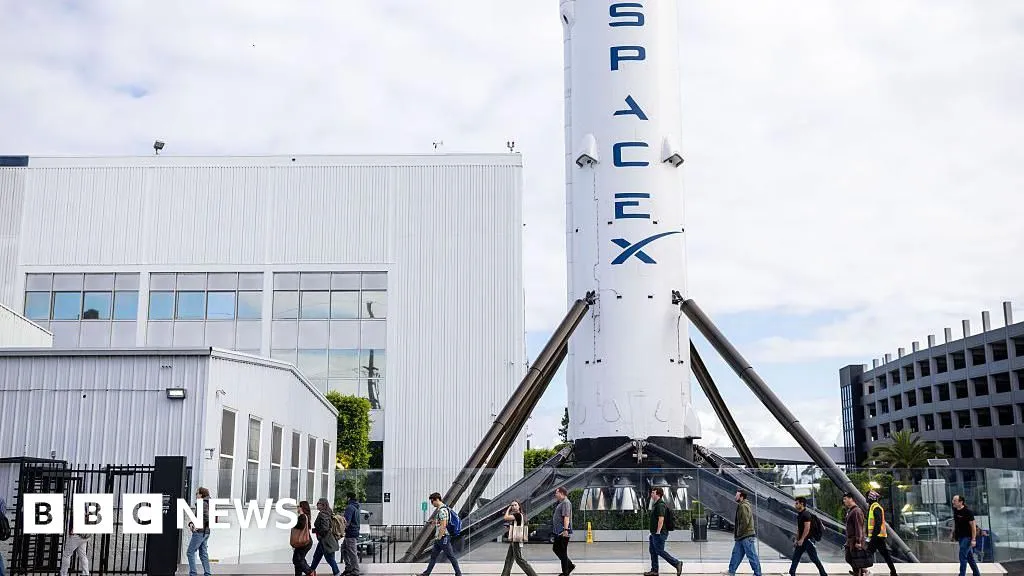
SpaceX raises $75bn in public sale, setting up Elon Musk’s record stock-market debut
A $75 billion public raise before a record listing turns SpaceX’s next chapter into a trillionaire test for markets.
SpaceX sets IPO at $135, selling 555M+ shares and launching trading Friday
Elon Musk's rocket company prices its world-scale IPO at $135 per share, moving into public markets immediately.
SpaceX prices IPO at $135 per share, starting the biggest listing ever
SpaceX moves from rumor to price point: $135 per share signals a new bar for private-market exits and public-market gravity.