
Goodwill CEO warns hiring managers are quietly ignoring skills-first hiring mandates
Goodwill CEO Steve Preston reveals that corporate promises of skills-based hiring are failing to reach the hiring professionals on the ground, leaving millions of Gen Z workers stranded.
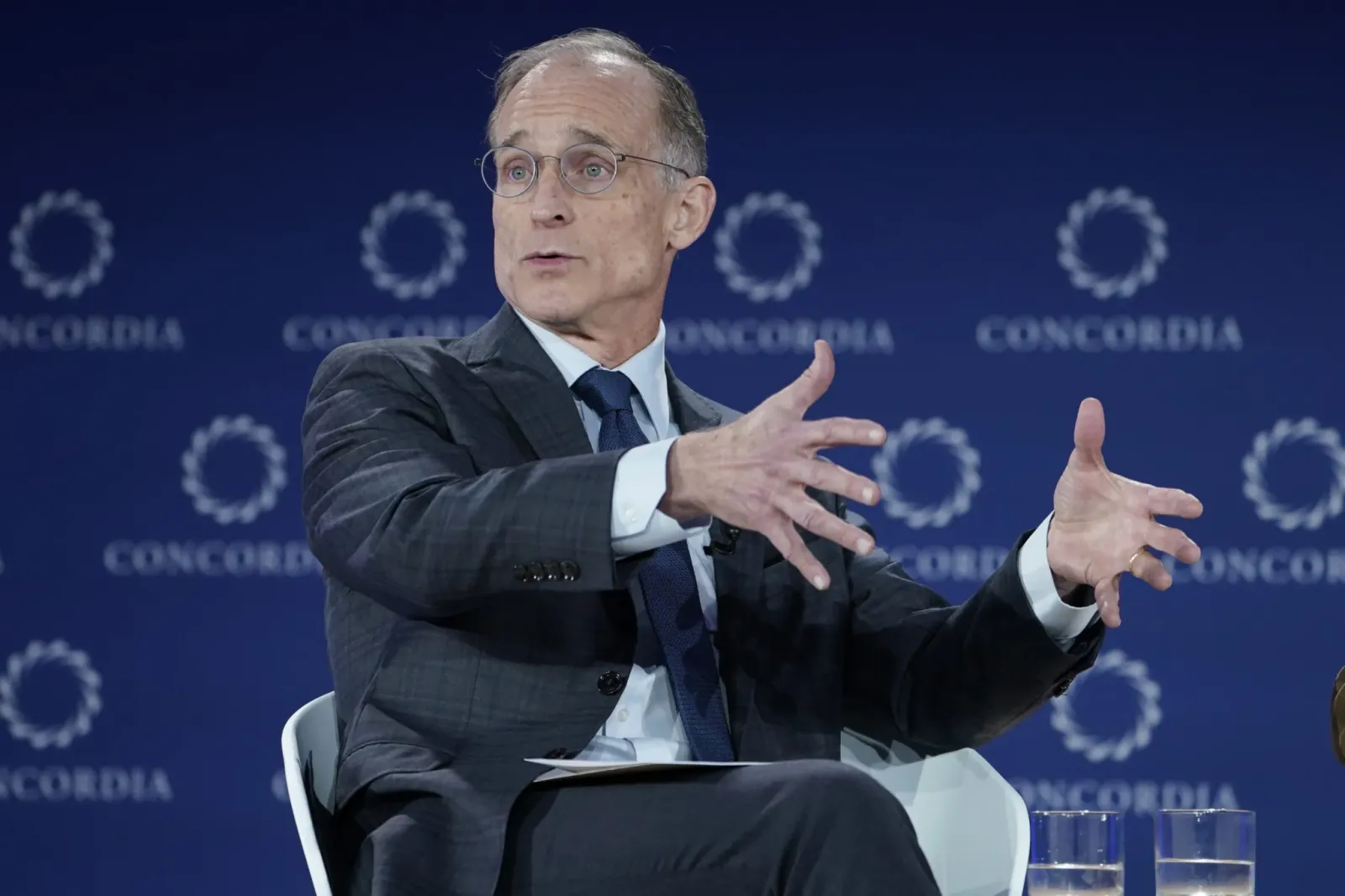
Goodwill CEO Steve Preston warns that despite major corporate pushes for skills-first hiring, hiring managers are often defaulting to degree requirements. This disconnect threatens millions of Gen Z workers and undermines corporate diversity and talent acquisition goals.
The promise of a skills-first hiring revolution, championed by CEOs across major tech and enterprise firms, is hitting a critical roadblock: the hiring managers themselves. Goodwill CEO Steve Preston has issued a stark warning that while top executives are consistently demanding that companies hire based on demonstrated skills rather than college degrees, the reality on the ground is far more resistant. Preston states that the promise of skills-first hiring may not be reaching the millions of jobless Gen Z workers who desperately need it, suggesting that the mandate is often a high-level directive that fails to trickle down into the actual interview and hiring process.
Preston, who previously served as the 14th United States Secretary of Housing and Urban Development, notes that while many CEOs have good intentions regarding talent diversity and skills-based hiring, they cannot control the individual decisions made by every hiring professional. He observes that employers are consistently saying they want to hire for skills, but the proof is not always in the pudding. This gap is particularly acute for Gen Z workers without degrees, who are struggling with unemployment at rates higher than their degree-holding peers. For context, Goodwill, which operates over 650 job centers and served nearly two million people last year, is bracing for an influx of these jobless Gen Zers, a trend Preston attributes partly to the accelerating impact of automation.
The economic stakes are high. Preston reveals that among the overall unemployment figures, people without college degrees are disproportionately affected by joblessness. This trend is even more pronounced for young men, who face significantly greater difficulty finding employment. This is not merely a matter of individual struggle; it represents a systemic failure in talent pipeline management. Companies that are failing to adapt their hiring models are not just missing out on diverse talent; they are actively contributing to a widening skills gap and exacerbating economic inequality among younger generations.
So, why the resistance? Preston points to a deeply ingrained psychological comfort among hiring managers. When a candidate presents a four-year degree, there is a perceived foundation that managers feel is inherently valuable in the workplace. There is a suspicion that if a candidate has not completed higher education, they may be lacking core skills such as critical thinking, team building, or effective communication. A strong collegiate background provides a high degree of comfort to the interviewer, offering a predictable baseline of capability. Furthermore, the process is often easier for the manager. If both the manager and the candidate share a similar educational pathway, they speak the same professional language and share a common set of experiences, making the connection and evaluation process simpler and less risky.
This preference for the familiar is a significant barrier to organizational innovation. By defaulting to degree requirements, companies are inadvertently creating a closed loop that favors a specific demographic and educational background. Preston argues that for young people without degrees, the key to unlocking opportunities lies in proving those prized skills elsewhere. This proof can come from upskilling, extensive volunteering, or meaningful work experience. Even participation in a sports team can be framed as evidence of discipline, teamwork, and confidence. The challenge for the candidate is to articulate how these non-traditional experiences translate into the core competencies a company seeks.
However, the argument for change is not just ethical; it is fundamentally sound business strategy. Preston stresses that inclusive hiring is not merely the 'right thing to do,' it is demonstrably good for business. Organizations that adopt a broader aperture in their talent search are more likely to fill roles successfully. They are less likely to report deficiencies within their existing teams, and they consistently report higher engagement scores among their workforce due to the diverse and inclusive culture they have cultivated. This shift moves the conversation from a perceived risk to a strategic advantage, suggesting that the long-term cost of maintaining a degree-centric hiring model far outweighs the short-term comfort of the hiring manager.
For executives and HR leaders, this warning serves as a mandate to look beyond the resume and into the demonstrable evidence of capability. The mandate from the C-suite must be backed by practical, scalable processes that allow hiring managers to evaluate skills acquired outside of a traditional classroom. The market is demanding a shift, and the failure to adapt will result in a talent pool that is increasingly restricted and less capable of meeting the complex demands of the modern economy.
This story's Key Insights and Take-aways are locked.
Create a free account to unlock Executive Actions for one credit.
Register to UnlockAlways free for Executives Club members. Join the Club
More in Business
Anthropic's record IPO lands a day before Nvidia's longest losing streak since 2008
Anthropic's record Nasdaq debut and Nvidia's longest weekly losing streak since 2008 landed within 24 hours of each other, and the contrast shows how fast the market is re-pricing the AI trade.

New World's HK$24.9B rights issue triggers 41% plunge as HK$50B debt target looms
New World Development has three levers left to erase up to HK$50 billion in borrowings by 2031, and shareholders just told the market what they think of the first one.
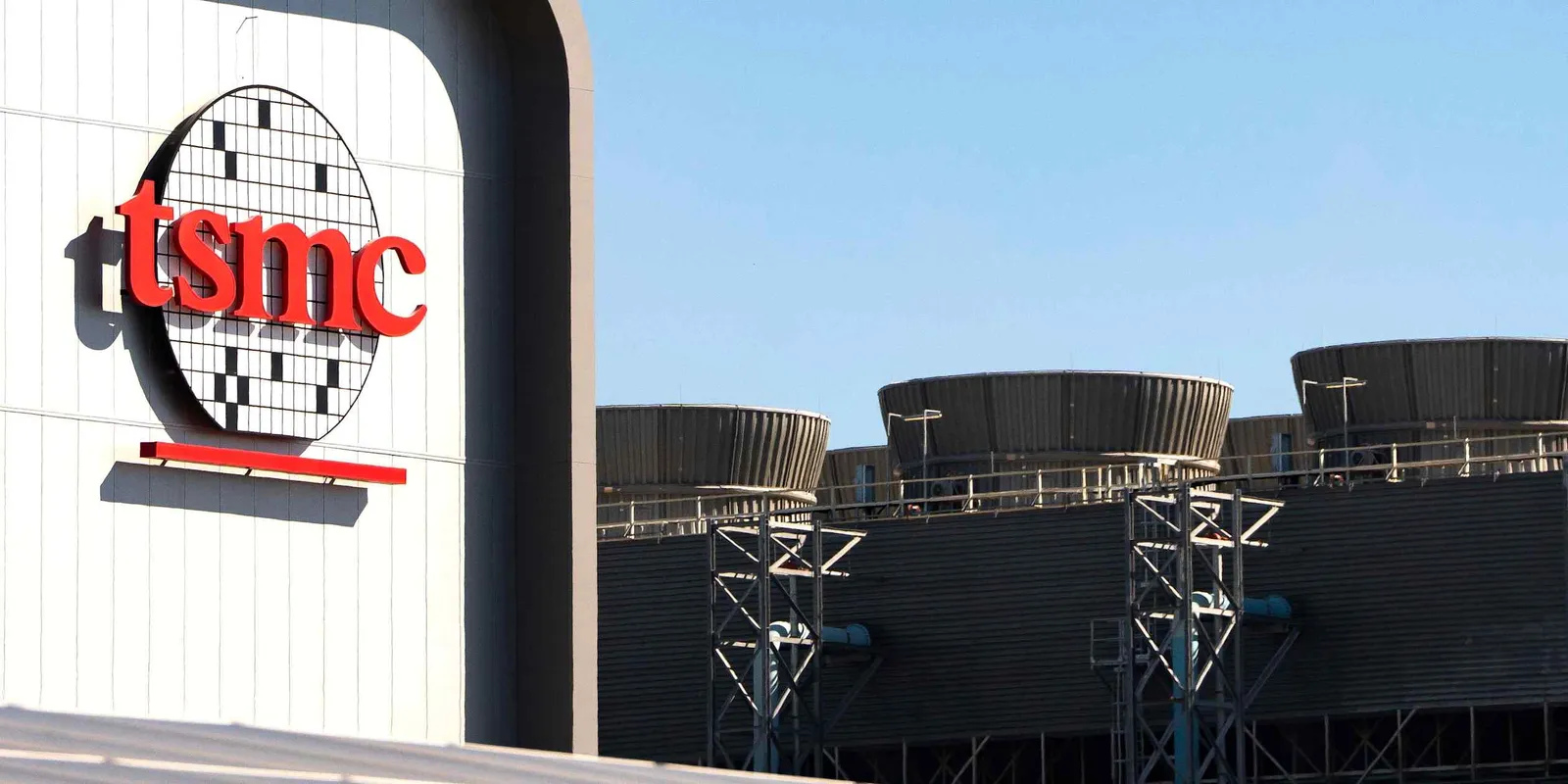
Chip supply chain warns new US export controls will spread beyond the target list
Suppliers, distributors and equipment makers say the latest US restrictions will not stay contained to the firms named on paper, putting orders, inventory and delivery timelines at risk across the global chip chain.