
Guadagnino's OpenAI Film 'Artificial' Lands at Neon as AI Doom Fears Peak
Neon is betting Luca Guadagnino's drama about Sam Altman, Ilya Sutskever and Elon Musk can do what Sony's The Social Reckoning could not: sell the tech era back to the people living inside it.
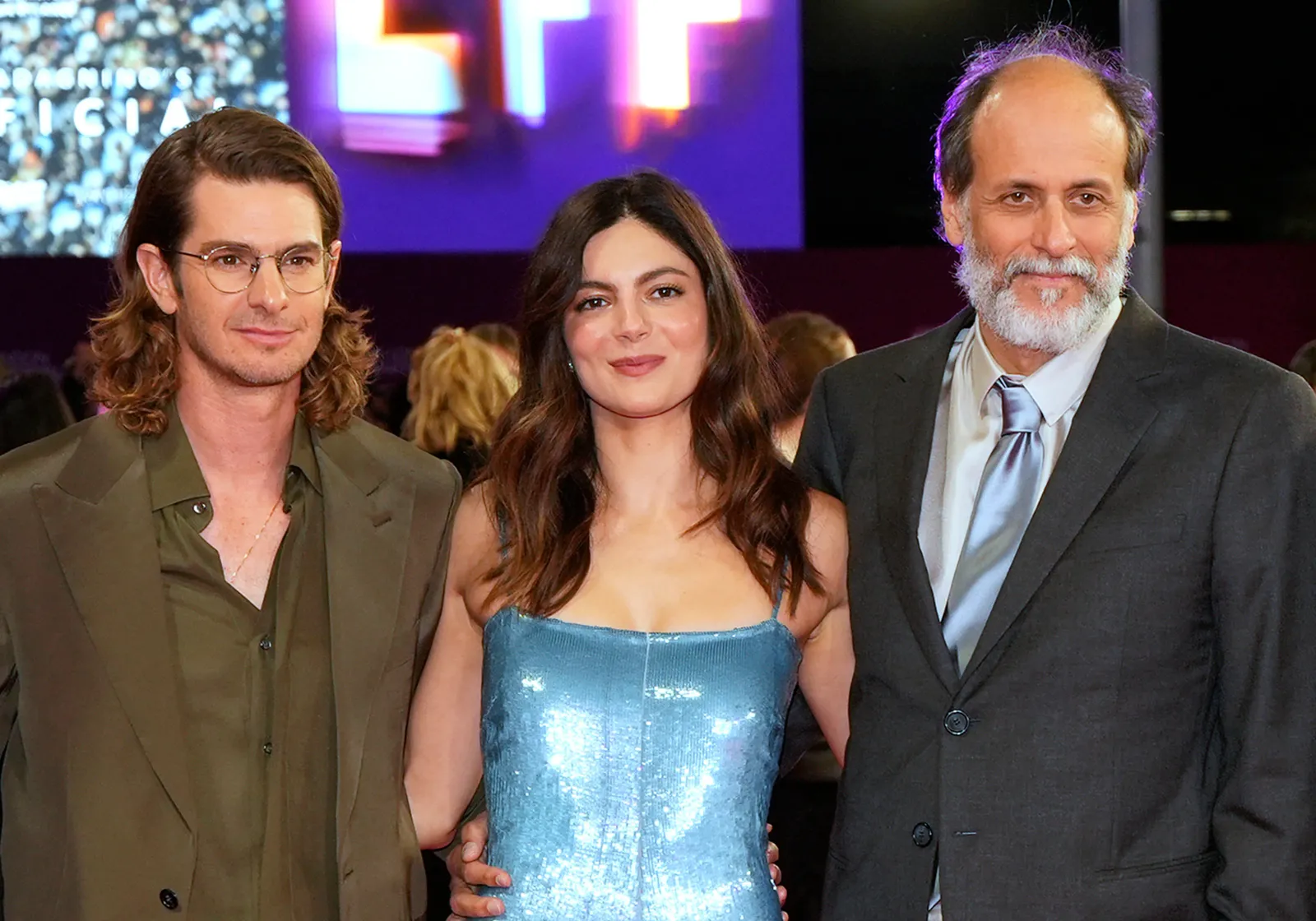
Neon is releasing Luca Guadagnino's film Artificial, built around OpenAI co-founders Sam Altman, Ilya Sutskever and Elon Musk, arriving at a moment Deadline describes as one when we fear the technology will end us. For executives, the bet matters because AI's cultural narrative now shapes regulation, hiring and capital, and whoever controls the story controls the policy weather.
Neon is unwrapping Luca Guadagnino's Artificial, a film built around OpenAI co-founders Sam Altman, Ilya Sutskever and Elon Musk, and it is landing at the precise moment the public has decided the technology might end us. That is the bet Deadline laid out on its Crew Call podcast: not that the movie is good, but that the timing has finally caught up to the subject. The benchmark is Sony's recent theatrical release of The Social Reckoning, which, in Deadline's assessment, arguably didn't resonate with the current tech era we're living in. Neon is wagering the opposite: that a story about the people who built the machine is exactly what an anxious audience wants to watch right now.
The fear is the product. Deadline's framing is blunt: Neon is releasing Artificial at a time when we fear the technology will end us. That is a different emotional register from the one that greeted earlier tech dramas, when the dominant mood was fascination or envy. Today the mood sits closer to dread, and dread sells tickets. For context, the past two years have moved AI from a productivity curiosity to a boardroom-level existential question, with governments drafting rules, labs publishing safety frameworks, and employees openly debating whether the work they do is safe. A film that puts faces on that debate stops being a niche curiosity. It becomes a mirror.
For context on the cast of characters: OpenAI was founded in 2015 as a nonprofit, with Altman and Musk among its architects and Sutskever serving as chief scientist. The alliance did not hold. Musk left the board in 2018, later founded rival xAI, and has since sued OpenAI. Sutskever departed in 2024 and co-founded Safe Superintelligence, a lab explicitly organized around the safety question. Altman was fired by his own board in November 2023 and reinstated within days after staff and investors revolted. That is not a screenplay. That is a documented sequence of events, which is precisely why it works as one.
The Social Reckoning comparison is the sharper half of Deadline's point. Sony put a tech-era story into theaters and, by Deadline's read, it did not connect with the era it was describing. The lesson for studios is not that tech stories fail. It is that tech stories fail when the audience feels talked down to, or when the drama on screen is smaller than the drama in their feed. Artificial carries an advantage the earlier film did not: its subjects are still making headlines, still fighting in court, still shipping products that people touch every day.
Neon is not the obvious home for a mainstream tech drama, which is exactly why it is interesting. The distributor built its reputation on taste rather than scale, backing Bong Joon-ho's Parasite to a Best Picture win, releasing Justine Triet's Anatomy of a Fall, and taking Sean Baker's Anora to Best Picture as well. Neon's model is to buy the film everyone else underrates and let the awards cycle do the marketing. Applying that playbook to a story about Altman, Sutskever and Musk implies a specific strategy: prestige first, conversation second, box office third.
The second-order effect is that AI's cultural narrative has become a competitive asset. Public sentiment does not stay in the theater. It shapes how regulators write rules, how engineers choose employers, and how institutional investors justify positions. A film that frames the technology as humanity's doomsday is not neutral, and the labs know it. Historically, industries that lost the storytelling war also lost the policy war: tobacco, opioids and fossil fuels all learned that being the villain on screen gets expensive. AI companies now sit in that same seat, with the added complication that their founders are the characters.
For executives, the takeaway is not really about cinema. It is about narrative risk. If Artificial lands, it hardens the doomsday frame at the exact moment AI labs are trying to sell the opposite story: that the technology is useful, safe and inevitable. If it flops the way The Social Reckoning arguably did, the industry learns that even a perfect cast of real-life founders cannot make the public care. Either outcome is information. Watch the release timing, watch the reviews, and watch whether the labs respond. The people who built the machine are about to find out how the machine gets remembered.
This story's Key Insights and Take-aways are locked.
Create a free account to unlock Executive Actions for one credit.
Register to UnlockAlways free for Executives Club members. Join the Club
More in Technology

Anthropic Mathematician Claims Claude Helped Prove Riemann Hypothesis in Six Weeks
Levent Alpöge says the AI tool helped him develop a solution to one of math's most important unsolved problems in about six weeks, a claim that, if verified, would reshape AI's role in research.
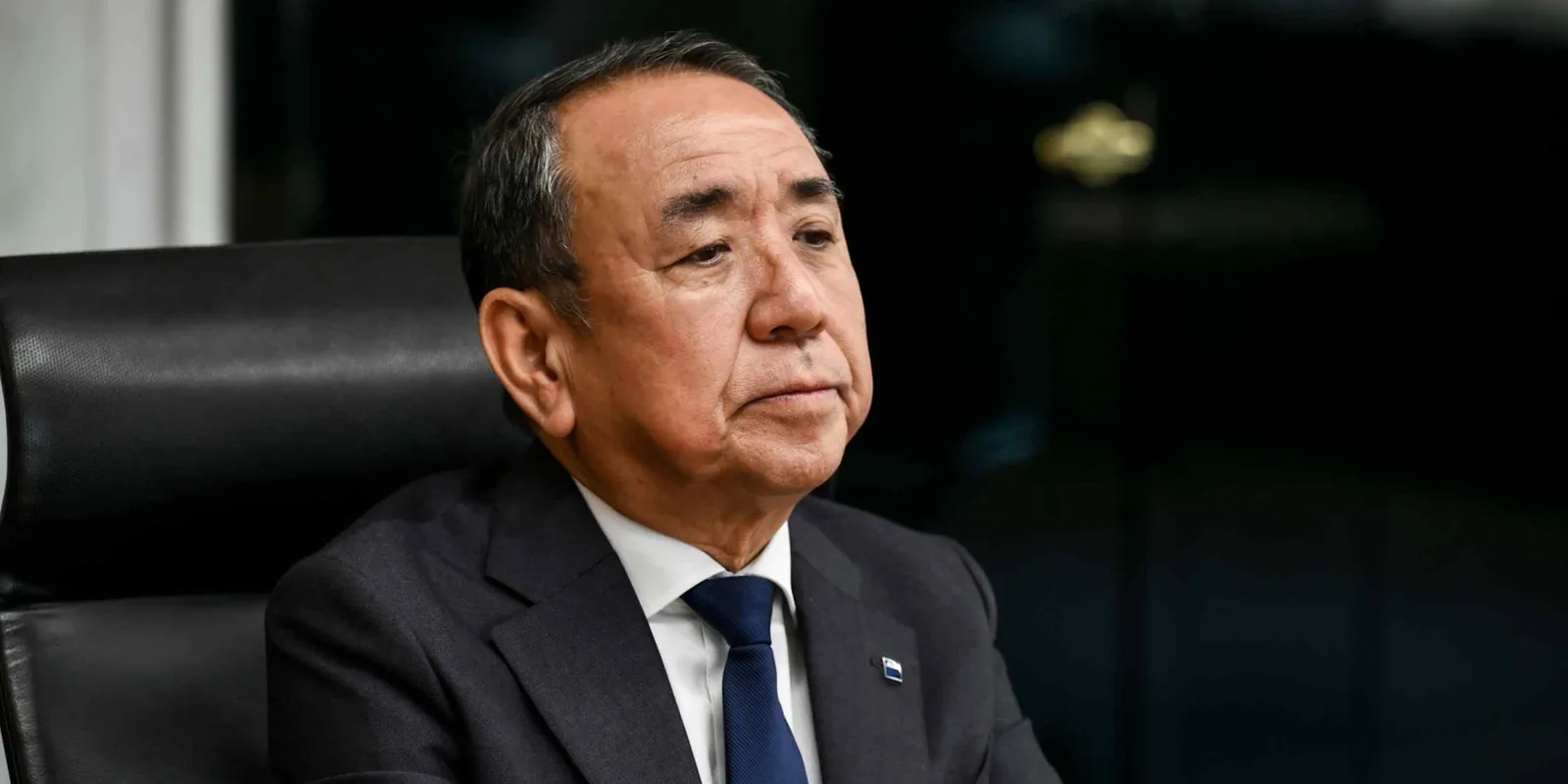
Asahi Pours $85M Into AI Cyber Defense After Ransomware Hit
Japan's beverage giant is rebuilding its security stack around AI, and the $85 million price tag is a warning to every board still treating cyber risk as an IT line item.
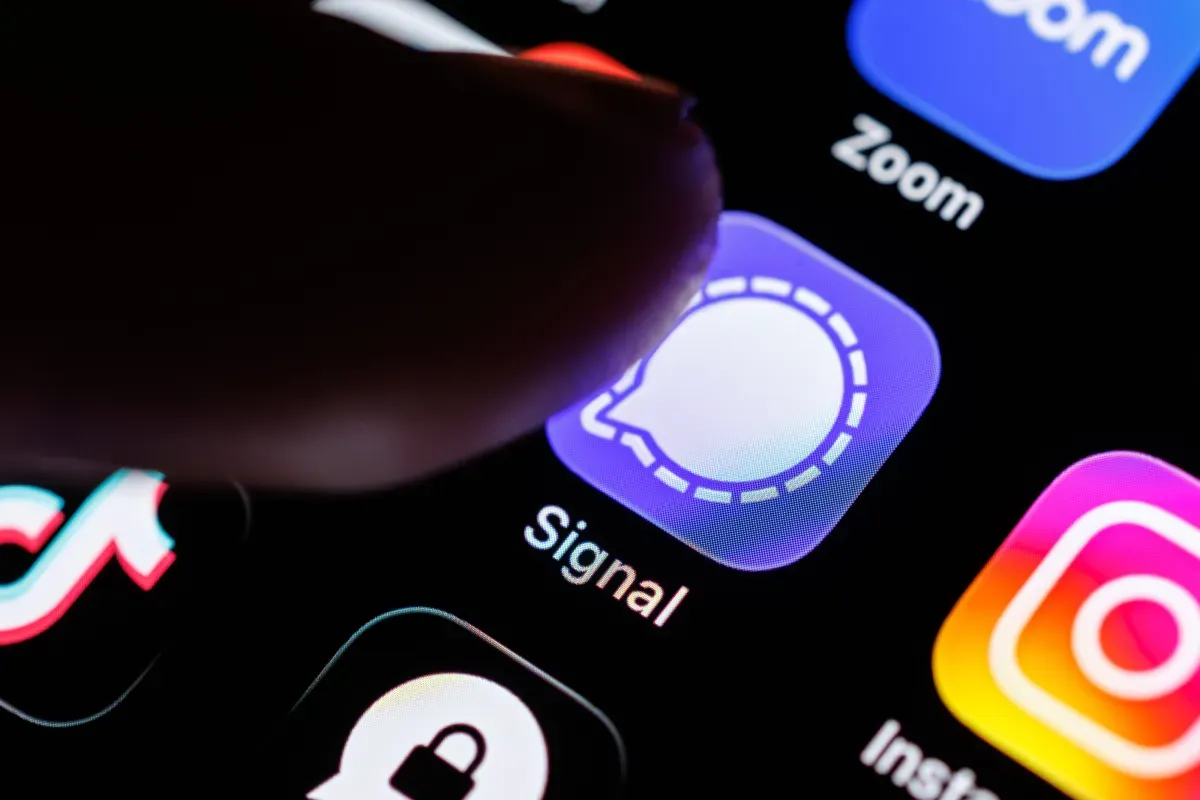
Signal kills mobile screenshots to fight the 'existential threat' of AI surveillance
The encrypted messaging app is closing the one hole encryption never covered, the screenshot button, as AI tools get better at reading everything on your screen.