

Healey backs a $15-year DNA rape deadline rewrite, letting prosecutors charge indefinitely
Massachusetts will allow rape charges to be filed indefinitely when DNA matches after the statute expires.
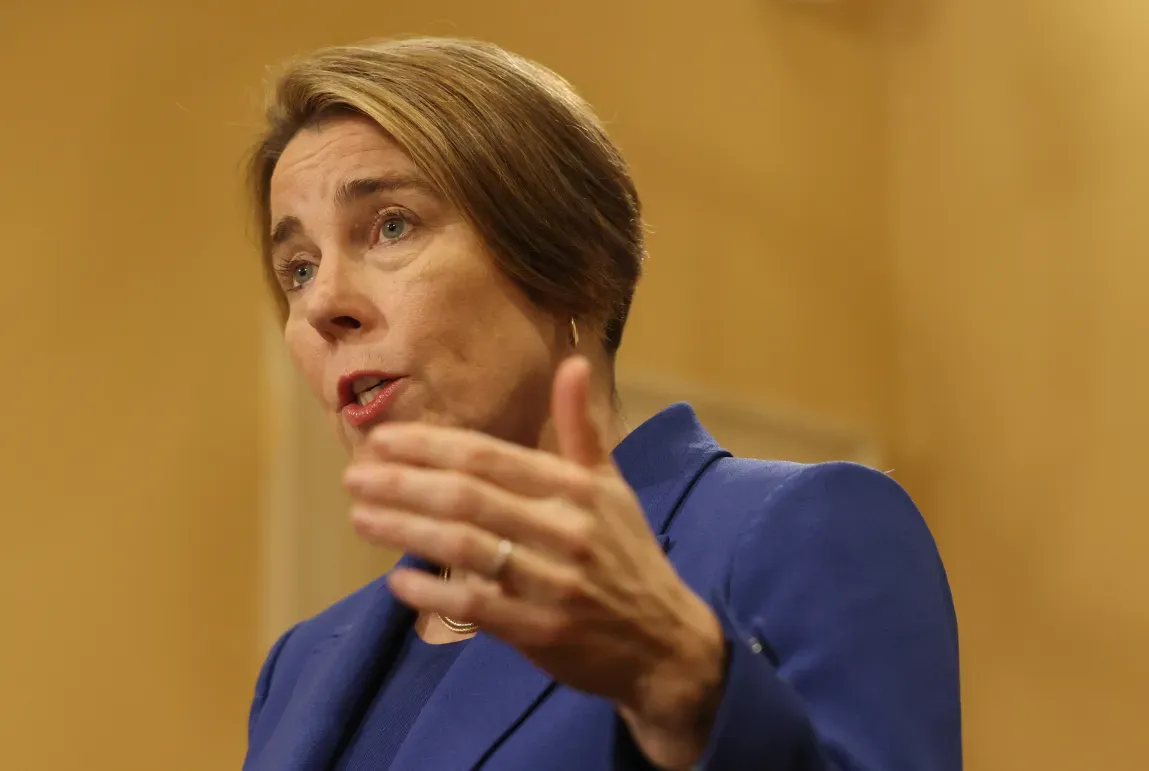
Massachusetts Gov. Maura Healey announced she will sign a bill extending the rape statute of limitations when DNA evidence matches a suspect. The change rewires the state’s accountability timeline, with major consequences for prosecutors, defendants, survivors, and other states watching DNA-driven cases.
Massachusetts just moved the “clock” for prosecuting rape cases when DNA evidence comes back late. Under current law, nearly all rape prosecutions involving cases with adult victims are barred after 15 years, no matter what new evidence later surfaces. The new bill Gov. Maura Healey pledged to sign would ensure that if DNA is matched to a suspect after that 15-year window, prosecutors could file charges indefinitely.
Healey’s timing matters. She announced Wednesday that she’d sign the $63.4 billion budget, and has until July 11 to approve it. If signed, the DNA-based exception would go into effect as soon as it’s signed. The key practical wrinkle is also spelled out: prosecutors must still file charges within the existing 15-year deadline if a match is made within that timeframe, as they were required to under the old law.
Why is this a big deal beyond Massachusetts? Because Massachusetts is losing its reputation as one of the strictest states on this specific point. WBUR and ProPublica found that as many as 47 other states allow more time to charge rapes or similar sexual assaults than Massachusetts. Many of those states extended their deadlines in recent decades as DNA technology helped solve old cases, and as evidence mounted that police across the nation had failed to fully investigate rape cases. Massachusetts’ legislature, meanwhile, had tried unsuccessfully to change the rape statute of limitations every session since 2011, according to WBUR.
In budget-season terms, this is what lawmakers were really negotiating: not just the “when” of filing charges, but the balance of rights and risks that come with time. Defense attorneys opposed earlier attempts, arguing that a longer deadline risked violating the rights of the accused. The DNA exception is designed to thread that needle, at least on paper, by hinging the extended window on a specific category of evidence, DNA, rather than opening the door for all old cases.
And that difference is the whole story for survivors who hit the old 15-year wall. The bill is framed as a way to ensure that if a DNA match emerges later, survivors are not forced to watch justice shut down because the calendar ran out. State Rep. Adam Scanlon, a Democrat, said rape survivors worked with him for the last five years to create a DNA exception. They pushed because they were frustrated they could no longer pursue justice after the deadline even when new evidence emerged. Scanlon called the process “a long process driven by survivors.” He also said it gives survivors hope that no one has to suffer the same indignities.
One of the clearest illustrations came from Louise, who was the focus of WBUR and ProPublica’s investigation. WBUR doesn’t identify victims of sexual assault without permission, and agreed to identify Louise only by her middle name. In October 2005, she was raped and repeatedly stabbed by a man who gave her a ride in Boston, according to police and court records. Seventeen years later, a DNA match identified an area man as a suspect. DNA evidence also linked that suspect to another rape. Suffolk County prosecutors charged the man in both cases in 2022, but had to drop the cases because the statute of limitations had expired. The suspect maintained his innocence.
Had the DNA exception been law at the time, Louise could have seen the suspect in her case face trial. That’s the human stake behind the legal timeline: Louise testified before state legislators in support of the DNA exception after her interview with WBUR, saying it will become law. She described it as relieving to have government “move in the right direction,” building a sense of trust, safety, and justice. For executives and boards, the strategic punchline is this: changes like this can turn previously “closed” cases into reopened work for prosecutors, courts, and law enforcement, and can shift how agencies prioritize evidence collection and testing in the first place.
There is also a second-order implication for the broader policy landscape. Healey’s statement tied the change to a specific reality: “Today, DNA evidence can provide new answers years later, and our laws should reflect that reality.” She said the change gives survivors another path to justice while helping law enforcement hold violent offenders accountable. In other words, the bill isn’t just expanding time. It is reclassifying DNA evidence from “eventually” to “legally actionable,” even when the old statute says “too late.” That matters to peer states and to decision-makers anywhere criminal justice timelines intersect with technology cycles.
If Massachusetts signs this budget-linked bill, it becomes a near-term reference point in an ongoing national debate. When 47 other states have already moved, the remaining holdouts face a question that is hard to dodge: is the statute of limitations serving the interests it was designed for, or is it colliding with modern evidentiary tools and the realities of investigation failures? Massachusetts is choosing the latter framing. The practical result is straightforward: prosecutors gain the ability to file charges indefinitely when DNA matches after 15 years, and Massachusetts stops treating a match found years later as legally irrelevant.
This story's Key Insights and Take-aways are locked.
Create a free account to unlock Executive Actions for one credit.
Register to UnlockAlways free for Executives Club members. Join the Club
More in Politics

Glacial collapse, not rain, killed 180 in Nepal's Himalayan flood
The Himalaya's extreme geography hid the true cause of Nepal's catastrophic flood, a glacial collapse that turned a geological battleground into a mass-casualty zone.

Iran’s Esmail Baghaei says Oman talks start shipping via Hormuz, not US talks yet
Temporary route plans with Oman aim to restart commerce while Tehran says Washington dialogue is not on the table.

Standards watchdog opens probe into Reform UK deputy leader Richard Tice over interests
The parliamentary standards commissioner says it began an investigation on 28 July into a possible undeclared interest.