
Heatwaves turn air-conditioning into a geopolitical flashpoint, and regulators are scrambling
Access to AC is no longer a lifestyle debate. It is becoming a cross-border policy and supply-chain problem.

The Economist highlights how heatwaves are making access to air-conditioning a political problem around the world. For decision-makers, that shift turns a consumer convenience into a governance, infrastructure, and supply risk.
Heatwaves are turning access to air-conditioning into a political problem around the world. What used to be treated like a household preference is now a pressure point that governments and regulators cannot ignore. When temperatures spike, AC is not just about comfort. It becomes about keeping people safe, maintaining economic activity, and preventing health and productivity failures that can cascade through societies.
That is the key change. As heat becomes more frequent and intense, the politics of AC move from the background into the policy foreground. The Economist frames this as a global issue, which matters because it signals a new kind of “infrastructure politics.” It is not only about energy generation or grid upgrades, though those are part of the story. It is also about who can afford cooling, who can get equipment, and what governments are willing and able to do when demand surges.
To understand why this becomes geopolitical so fast, think about how AC demand behaves in a crisis. When it is hot, everyone needs the same thing at once. Power demand rises. Cooling systems compete for electricity. In places where the grid is stressed or where energy prices are volatile, the people who rely on AC may face higher bills or constrained access. Those issues quickly become political because the “solution” is not one purchase. It is a coordination problem across utilities, regulators, public health authorities, and the private sector that manufactures and distributes cooling equipment.
The regulatory angle is where the politics harden. Governments can respond with emergency measures, subsidies, rationing-like policies, demand management, or efficiency requirements. Each option carries tradeoffs. Subsidies can ease affordability but strain public budgets. Demand management can reduce grid strain but creates winners and losers depending on enforcement and timing. Efficiency rules can lower long-term energy use but require time to implement and can raise upfront costs. As heatwaves keep returning, regulators face a growing expectation that cooling access is part of public resilience, not a purely market outcome.
There is also an industrial and supply-chain dimension. AC is a manufactured product embedded in global manufacturing networks. In many markets, the ability to meet demand depends on shipping parts, refrigerants, and final units across borders. When heatwaves hit multiple countries at once, demand patterns become less predictable, and procurement becomes harder. That is where geopolitical dynamics show up in practical terms: export controls, tariff decisions, environmental compliance, and logistics bottlenecks can all influence who gets supply first and at what price.
Environmental regulation adds another layer. Cooling systems are tied to refrigerants, and refrigerant policy has been evolving in response to climate and ozone concerns. That means the politics of AC are rarely just about energy. They also include compliance with rules around refrigerant types and the transition to lower-impact alternatives. During heat spikes, governments may be forced to weigh immediate protection from heat stress against longer-term environmental requirements. Even if policymakers want to do both, the timing mismatch can intensify political friction.
For boards and C-suite leaders, the second-order implications are about risk mapping. If cooling access becomes a recurring political issue, it can change how regulators view utility planning, building codes, and consumer energy protections. It can also affect cost structures for operators across the electricity and HVAC value chain. Companies that sell cooling equipment, manage buildings, or operate energy assets may face faster-moving regulatory expectations, reputational pressure, and demand volatility tied to weather patterns.
The strategic stake is broader than any single company. The Economist’s framing suggests that heat is turning a normal consumer market into a public-policy battlefield. For executives in energy, real estate, consumer infrastructure, and industrial manufacturing, the question is no longer only “Can we supply demand?” It is “How will governments define and enforce fair access, and what does that mean for pricing, distribution, and compliance?” In a world of more frequent heatwaves, AC access is becoming part of how states demonstrate legitimacy during stress. That is a geopolitical story with boardroom consequences, whether your company sells a chiller, runs a grid, or manages the buildings where people try to survive the heat.
This story's Key Insights and Take-aways are locked.
Create a free account to unlock Executive Actions for one credit.
Register to UnlockAlways free for Executives Club members. Join the Club
More in Politics
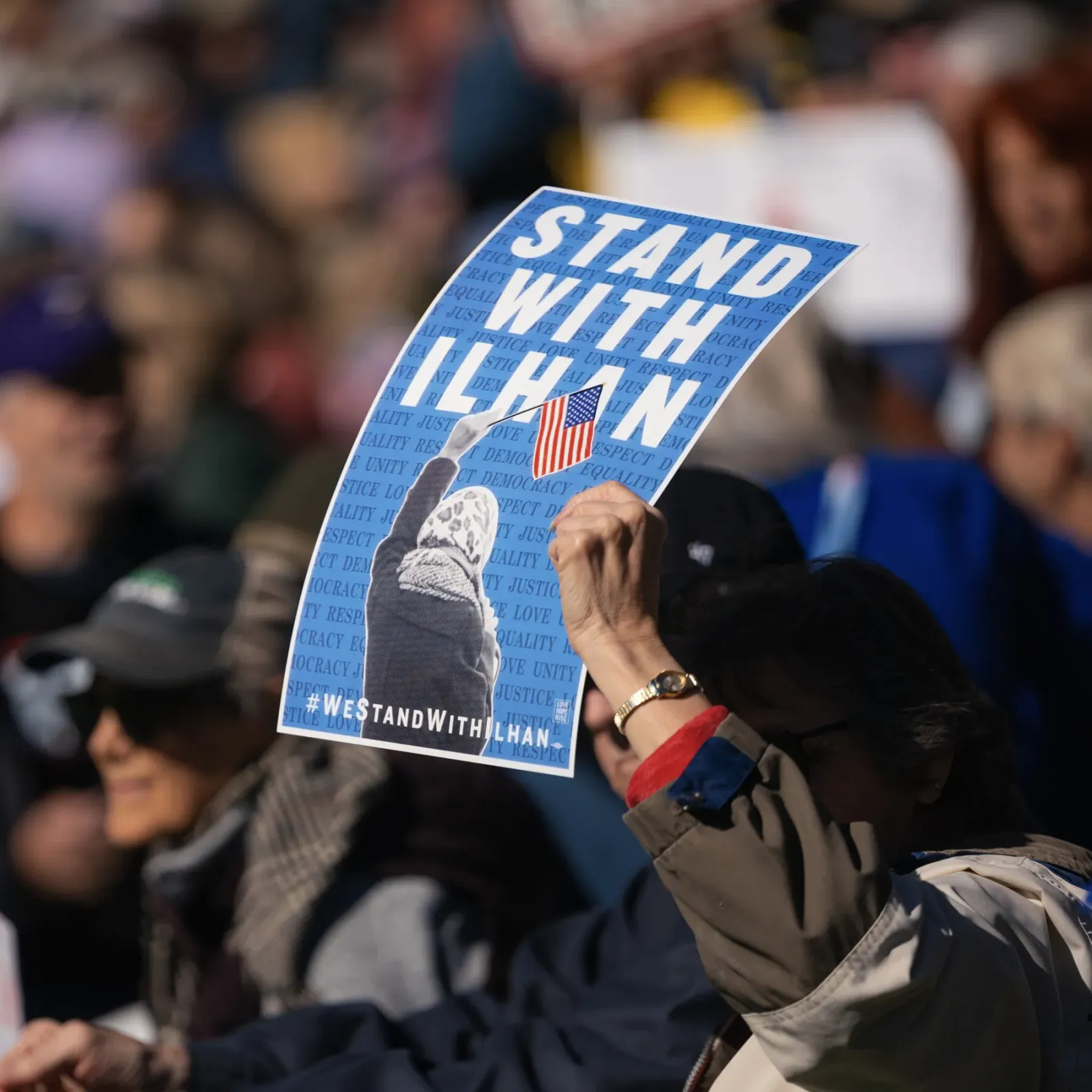
Obama Defends Ilhan Omar After Agents Search Her Home in Trump Inquiry
The former president's intervention raises the stakes in a federal probe into immigration paperwork that has put a prominent progressive lawmaker in the crosshairs.

Blair-era minister: cut welfare to fund youth job support
Alan Milburn's call for welfare cuts to fund employment support opens a Labour fight over benefits and the Neet crisis.
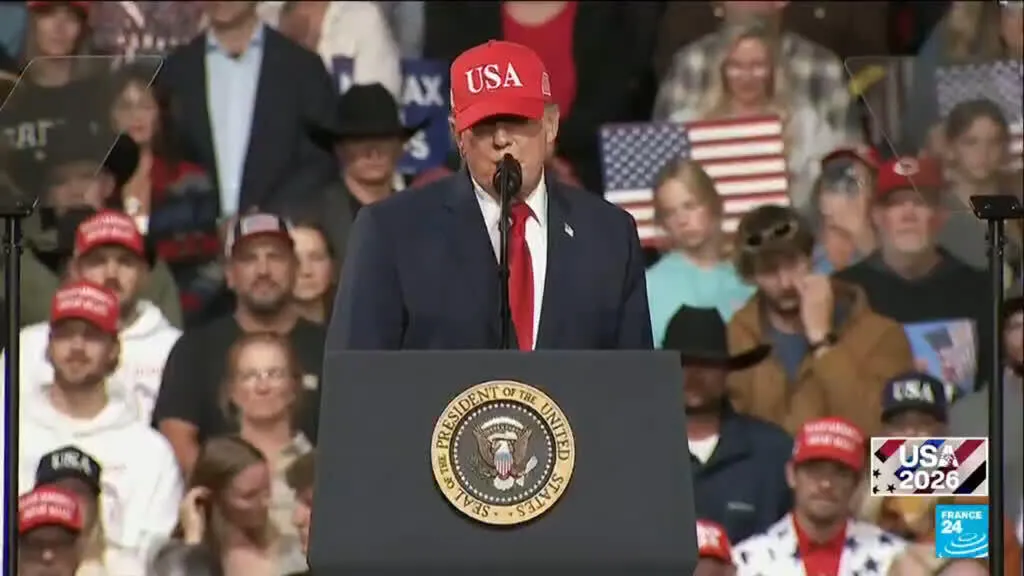
Hot September CPI: energy costs surge, voters feel the squeeze before midterms
The latest inflation print lands as Trump campaigns for GOP control of Congress, putting cost-of-living worries at the center of the midterm fight.