
Hit horror film Obsession goes global, and girlfriends find it
A French press roundup says the movie is “quite relatable,” with ripple effects for content strategy worldwide.

France 24’s press review highlights the hit horror film "Obsession" as resonating globally, particularly with girlfriends. For decision-makers, the story signals demand shifts toward emotional relatability, not just scares.
Monday, June 29 in France’s press review brought a grab bag of serious stories and one oddly human cultural moment: the hit horror film "Obsession" is “quite relatable,” and that relatability is resonating with girlfriends globally. That detail matters more than it sounds. Horror typically sells fear, but if viewers are also buying recognition of feelings and relationships, that changes what “works” in media.
The point is not that horror has never had character depth. The point is that this specific film is being framed as relatable at scale, and France 24 is surfacing that in a day otherwise dominated by politics, policy, and controversy. The rest of the roundup includes papers discussing the ongoing search efforts in Venezuela and the government’s “negligence,” plus coverage in Japan where maternity leave is described as a taboo topic, and where LGBTQ+ rights are also treated as sensitive. Another item notes Le Monde’s analysis of “Vladimir Putin or the solitude of homo sovieticus.” Put together, it’s a reminder that what people consume is rarely separated from what they experience. When a horror title lands because it mirrors real emotional dynamics, it becomes more than entertainment.
For executives thinking about content, distribution, and audience strategy, the second-order implication is straightforward: relatability can be a growth lever, and it tends to travel. Global audiences do not just respond to language or genre conventions. They respond to situations that feel familiar, especially around relationships, identity, and the emotional cost of everyday life. If girlfriend audiences are finding "Obsession" relatable, that suggests the marketing and positioning should not only emphasize thrills. It should also respect the emotional promise the film is actually delivering.
This is where incentives and board-level thinking come in. Studios and platforms live and die by engagement signals: watch time, repeat viewing, social sharing, and the ability to convert curiosity into sustained performance. In that environment, a film that becomes “relatable” can earn a different kind of word-of-mouth than a purely visceral scare. Pure shocks can trend, but relatability can stick. It gives people a reason to talk beyond the plot, and it can broaden the addressable audience. That is the difference between a spike and a durable shelf in the mind.
Regulatory background, even when it appears unrelated, matters for how content is produced and sold. The same press review flags maternity leave as a taboo topic in Japan and notes that LGBTQ+ rights are also taboo. Those lines underscore that in many markets, social topics can determine what gets greenlit, how it gets marketed, and how explicitly stories can be framed. When "Obsession" is described as relatable globally, it hints that the film’s appeal may be landing through emotional recognition rather than through a category that might trigger friction in certain jurisdictions. Executives should treat that as a strategic advantage worth analyzing. Not by sanitizing meaning, but by understanding how tone and character perspective can universalize themes.
There is also a media literacy angle, and boards ignore it at their peril. The roundup is explicitly a “press review,” which means the way stories are being written is part of the signal. France 24’s framing, including the phrase “quite relatable,” tells you how at least one newsroom is categorizing the movie’s impact. When major outlets start describing audience response in human terms rather than technical terms, it can influence secondary coverage, recommendation algorithms, and partner decisions. In the modern content economy, perception is a distribution channel.
Finally, the strategic stakes for peers are real. If a horror film can resonate with girlfriends globally because it feels emotionally true, then the market’s definition of “audience fit” may be shifting. The next slate decisions, licensing negotiations, and marketing budgets will likely reflect a broader question: do we know which emotional buttons our target viewer actually has? The rest of the press roundup, with its focus on “negligence” in Venezuela and taboos in Japan, is a reminder that societies are actively arguing about accountability, identity, and what is allowed to be discussed. When entertainment intersects with those debates, it can become more widely shareable.
For executives, the action is to treat relatability as measurable. Study which scenes drive discussion, which demographics show engagement, and which messaging angles convert. Then connect the dots: horror does not have to be only about fear. If the audience also sees itself in the story, that dual appeal can expand global reach, improve performance predictability, and strengthen long-term brand value for the franchise or distributor. Today’s press roundup is short on plot details, but it is loud about audience feeling. In a crowded streaming and theatrical landscape, that is the kind of clarity worth chasing.
This story's Key Insights and Take-aways are locked.
Create a free account to unlock Executive Actions for one credit.
Register to UnlockAlways free for Executives Club members. Join the Club
More in Politics
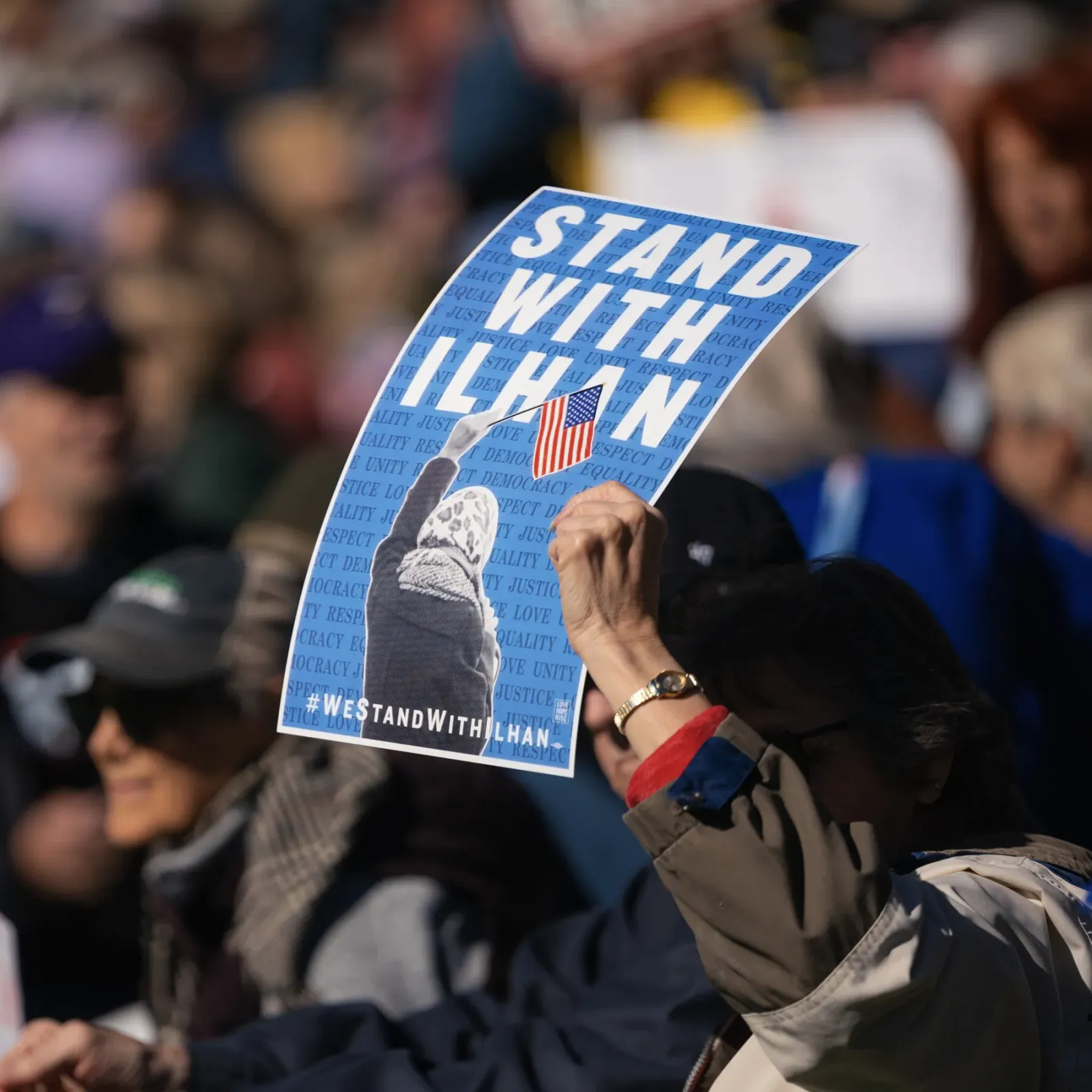
Obama Defends Ilhan Omar After Agents Search Her Home in Trump Inquiry
The former president's intervention raises the stakes in a federal probe into immigration paperwork that has put a prominent progressive lawmaker in the crosshairs.

Blair-era minister: cut welfare to fund youth job support
Alan Milburn's call for welfare cuts to fund employment support opens a Labour fight over benefits and the Neet crisis.
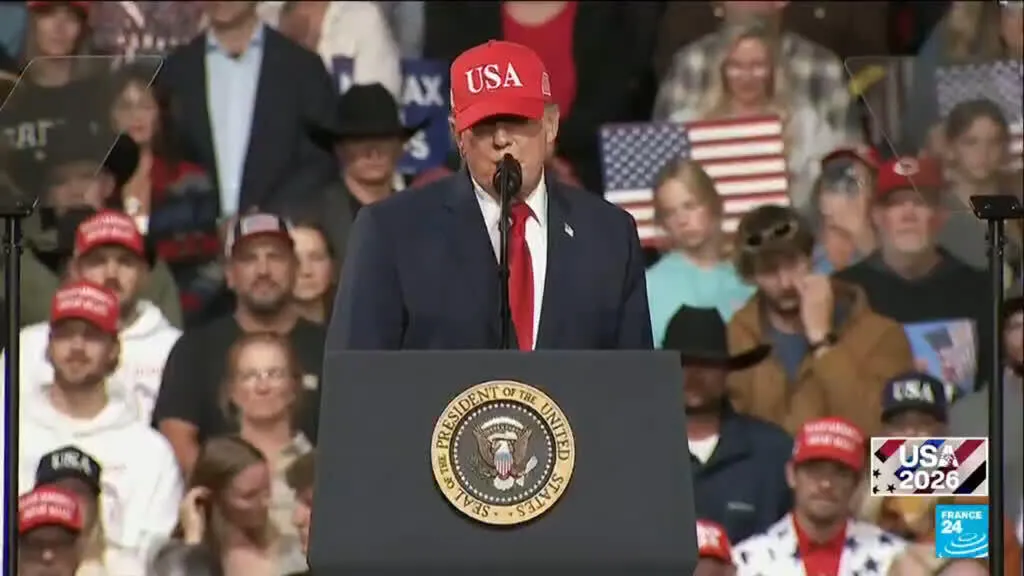
Hot September CPI: energy costs surge, voters feel the squeeze before midterms
The latest inflation print lands as Trump campaigns for GOP control of Congress, putting cost-of-living worries at the center of the midterm fight.