
Huang weighs Nvidia return at $4T chip giant as allies build war room
Days after resigning over an affair scandal, the former CEO is testing a comeback while an independent board probe runs and Silicon Valley allies lobby the White House.
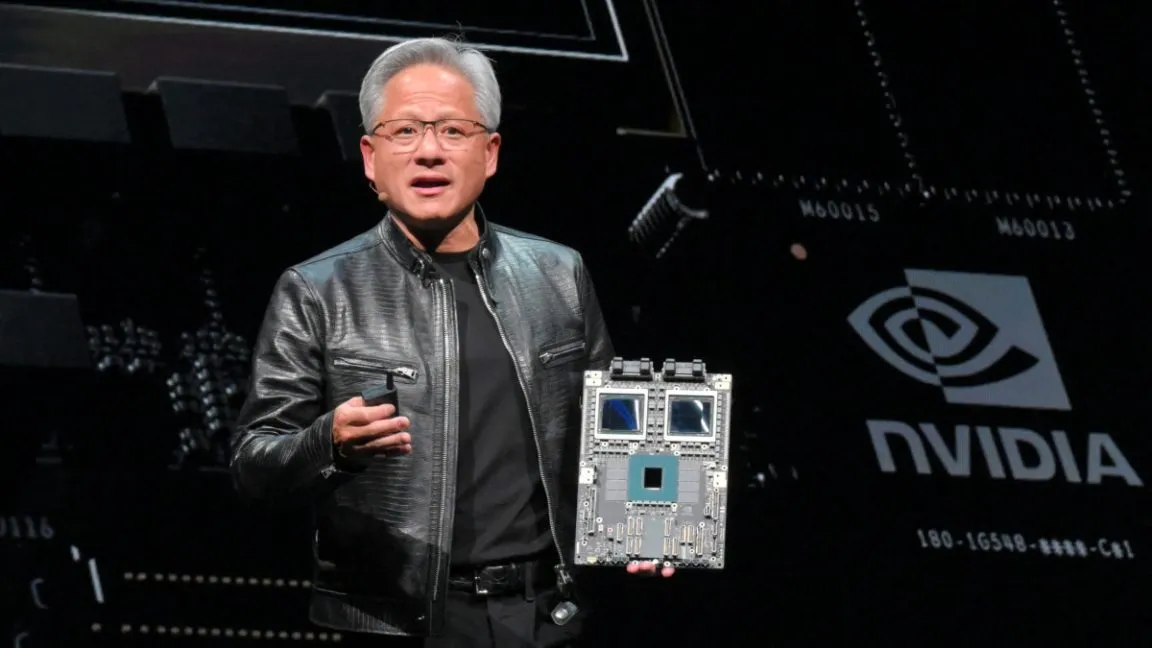
Jensen Huang is weighing a return as Nvidia's chief executive days after resigning over reports of affairs with a suspected Chinese spy and a subordinate, while allies assemble a Silicon Valley war room to lobby the board and the White House. The outcome will test whether the directors of a $4 trillion company can run an independent conduct probe while the founder's network campaigns in public for his reinstatement.
Jensen Huang is weighing a return as Nvidia's chief executive, days after resigning over reports that he had affairs with a suspected Chinese spy and a subordinate, and his allies are not waiting for the board to call. Multiple people familiar with the matter say Huang has discussed the possibility of coming back with confidants, even as an independent probe commissioned by Nvidia's board investigates the conduct behind a spectacular leadership crisis at the $4 trillion chip company this week. One Huang ally told the FT that supporters are assembling a "war room" of Silicon Valley executives to lobby for the former chief's return, and that the group will try to garner support from the White House.
That is the shape of the fight: a former CEO openly weighing a comeback, an outside pressure campaign aimed at his own board, and a political channel being opened in parallel. The board's independent investigation is the gate everything else must pass through. Until it reports, a return is something Huang has discussed privately, not a plan the company has endorsed. No permanent successor is named in the account, which leaves the top of a $4 trillion business unsettled while the probe runs.
War rooms are a familiar tool in a crisis, but they usually point outward, at reporters, regulators, and litigants. Pointing one at your own board is a different animal. The ally's plan, as described to the FT, is to marshal Silicon Valley executives as a lobbying bloc and then widen the pressure to Washington. That combination matters because it changes the audience for the board's decision. Directors weighing a conduct investigation would normally answer to shareholders, employees, and, in a case touching foreign intelligence, government agencies. A coordinated outside campaign adds a fourth constituency: the founder's network, which in Nvidia's case sits at the center of the AI supply chain.
The governance mechanics are unforgiving. An independent probe typically exists to give directors a defensible factual record, and its findings set the range of options. Historically, boards rarely reinstate a chief executive while an investigation into their conduct is still open, because doing so converts an unresolved allegation into a board-endorsed judgment. Reinstatement would require either a clean report or a board willing to accept residual risk and explain that choice to investors. Either path takes time, and time is the one thing a $4 trillion company with no named successor does not have in abundance.
The suspected spy element raises the temperature further. Allegations that touch foreign intelligence typically draw scrutiny well beyond the boardroom, from national security officials to lawmakers who oversee export controls on advanced chips. That is why the ally's talk of White House support cuts both ways. Political backing could give Huang a route back that bypasses a skeptical board. It could also turn a corporate conduct case into a national security question, which is a harder room to win and a harder decision to reverse.
Strip away the drama and the business exposure is straightforward. Nvidia sits at the center of the AI buildout, and its customers, suppliers, and investors plan around its roadmap and its leadership. A leadership vacuum at the top of a $4 trillion company is not a neutral state. Decisions slow, rivals probe for openings, and partners hedge. Employees read the same headlines as everyone else, and a public lobbying war over the corner office tells them the internal fight is not settled. Every week the question stays open is a week competitors can use.
What to watch is narrow. First, the probe: its scope, its timing, and whether it clears Huang or leaves findings the board cannot wave away. Second, the board itself, and whether directors treat the war room as useful input or as pressure to resist. Third, whether the White House engages at all, because a yes would set a precedent for political involvement in corporate succession at strategically important firms. For every other CEO and director, the lesson is already visible: succession plans, crisis playbooks, and the boundary between a founder's network and a board's independence are all being tested in public, at the highest possible price.
This story's Key Insights and Take-aways are locked.
Create a free account to unlock Executive Actions for one credit.
Register to UnlockAlways free for Executives Club members. Join the Club
More in Business

GTA VI hauls $3.79bn in one day, out-earning every film ever made
Rockstar's own estimate covers a single Thursday plus a record 32.5m prerelease units, and it lands on every board weighing IP concentration, pricing power and launch risk.
FBI's crime database breached again, the second hack in months
CNN reports hackers hit the National Crime Information Center, the shared backbone of US policing, and the repeat timing is the part every security team should study.

S&P 500 Enters Correction, Down 10% From Its High on AI Worries
The index's slide past the 10 percent line is a symbolic verdict on investor mood, and the AI trade that powered the rally is now the thing testing it.