
Illegal crypto miners in Southeast Asia steal electricity, strain grids, link to organized crime
Grids are getting overloaded by unlawful mining operations, and regulators are chasing a security problem, not just a tax issue.
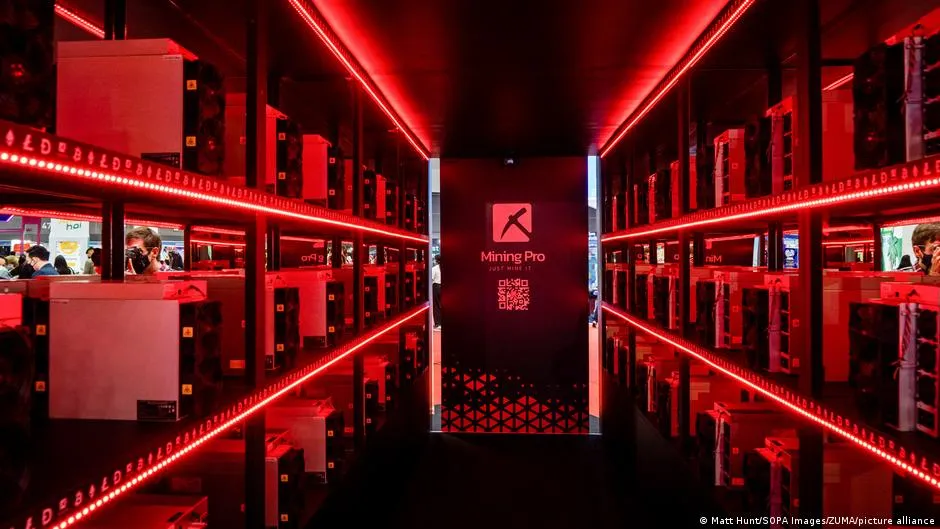
Across Southeast Asia, illegal cryptocurrency miners are stealing vast amounts of electricity and straining national grids. The situation also exposes links to organized crime, turning energy enforcement into a broader public safety and governance challenge.
Illegal cryptocurrency miners across Southeast Asia are siphoning off electricity, straining national power grids, and drawing attention to links with organized crime, according to Deutsche Welle. The core issue is simple but consequential: power systems are not built to absorb large, unauthorized loads. When mining rigs pull electricity outside legal channels, the stress does not stay behind the fence. It shows up as operational strain for utilities and grid operators, and it increases the risk that enforcement actions can become entangled with criminal networks.
Why this matters right now is that electricity theft in this context is not a minor side hustle. Deutsche Welle reports that illegal miners are stealing vast amounts of electricity across the region, with downstream effects for national grids. That combination, stolen power at scale, can push systems toward instability. Even when the exact technical failure modes vary by country, overloaded infrastructure tends to behave the same way: reliability becomes harder, maintenance needs rise, and the cost burden shifts toward legitimate customers and compliant operators.
To understand why this keeps recurring, you have to look at incentives. Cryptocurrency mining depends on energy. When miners can acquire power cheaply or illegally, their economics change instantly. Legal mining has to price in electricity tariffs, permitting, metering, and grid connection costs. Illegal mining, by contrast, can treat electricity like a nearly unlimited input, at least until utilities catch up. That is why enforcement is so difficult: the supply chain for stolen electricity can be fragmented, and the operating footprint can be mobile or hidden in plain sight.
The regulatory background in Southeast Asia tends to follow the same broader pattern: governments try to manage cryptocurrency activity on multiple fronts, typically focusing on financial integrity and consumer or investor protection. But theft of electricity is not merely a financial crime. It is an energy security problem. National grids are part of critical infrastructure, and the knock-on effect is that agencies that normally handle power planning and distribution may find themselves working alongside financial crime units or other arms of government. When Deutsche Welle flags that the situation exposes links to organized crime, it signals that regulators may not be dealing with isolated offenders. They may be facing coordinated actors who can leverage theft operations for profits, influence, or logistics.
That organized crime angle is where board-level risk starts to look bigger than it first appears. Utilities, grid operators, and energy retailers may see increased technical stress and higher enforcement costs. Governments may have to allocate more resources to inspections, surveillance, and prosecution. And in the background, legitimate electricity users can feel the impact through tariffs or budget tradeoffs, especially if enforcement and grid stabilization efforts require additional spending. Even companies that are not in the power sector can be pulled into the story indirectly. If grid capacity tightens, it can influence how reliably energy-intensive industries operate in the region.
The second-order governance question is also uncomfortable: what happens when enforcement becomes a cat-and-mouse game? Illegal miners can adapt, moving equipment, changing locations, or altering operating patterns. That means utilities and regulators need sustained capability, not just periodic crackdowns. It also raises the stakes for transparency and procurement discipline, because criminal groups that profit from electricity theft may attempt to exploit weak oversight. Deutsche Welle's framing, with both grid strain and organized crime links, suggests the problem is not only technical. It is systemic.
For executives and decision-makers across the region, the strategic takeaway is that energy enforcement is now intertwined with broader security and compliance concerns. Boards overseeing utilities, infrastructure, and regulated services should treat electricity theft linked to crypto mining as an operational risk with reputational and safety implications. In a world where national grids are already under pressure from demand growth and modernization needs, any additional unauthorized load can become a stress multiplier. Meanwhile, for regulators and policy leaders, the challenge is to protect critical infrastructure while addressing the criminal networks that may be using illegal mining as a revenue engine.
This story's Key Insights and Take-aways are locked.
Create a free account to unlock Executive Actions for one credit.
Register to UnlockAlways free for Executives Club members. Join the Club
More in Politics
Obama Defends Ilhan Omar After Agents Search Her Home in Trump Inquiry
The former president's intervention raises the stakes in a federal probe into immigration paperwork that has put a prominent progressive lawmaker in the crosshairs.

Blair-era minister: cut welfare to fund youth job support
Alan Milburn's call for welfare cuts to fund employment support opens a Labour fight over benefits and the Neet crisis.

Hot September CPI: energy costs surge, voters feel the squeeze before midterms
The latest inflation print lands as Trump campaigns for GOP control of Congress, putting cost-of-living worries at the center of the midterm fight.