

IMF and World Bank scrutiny collides with a West Africa debt crisis in Senegal
Why Senegal’s bond and fiscal stress matters for investors, lenders, and policymakers across West Africa.
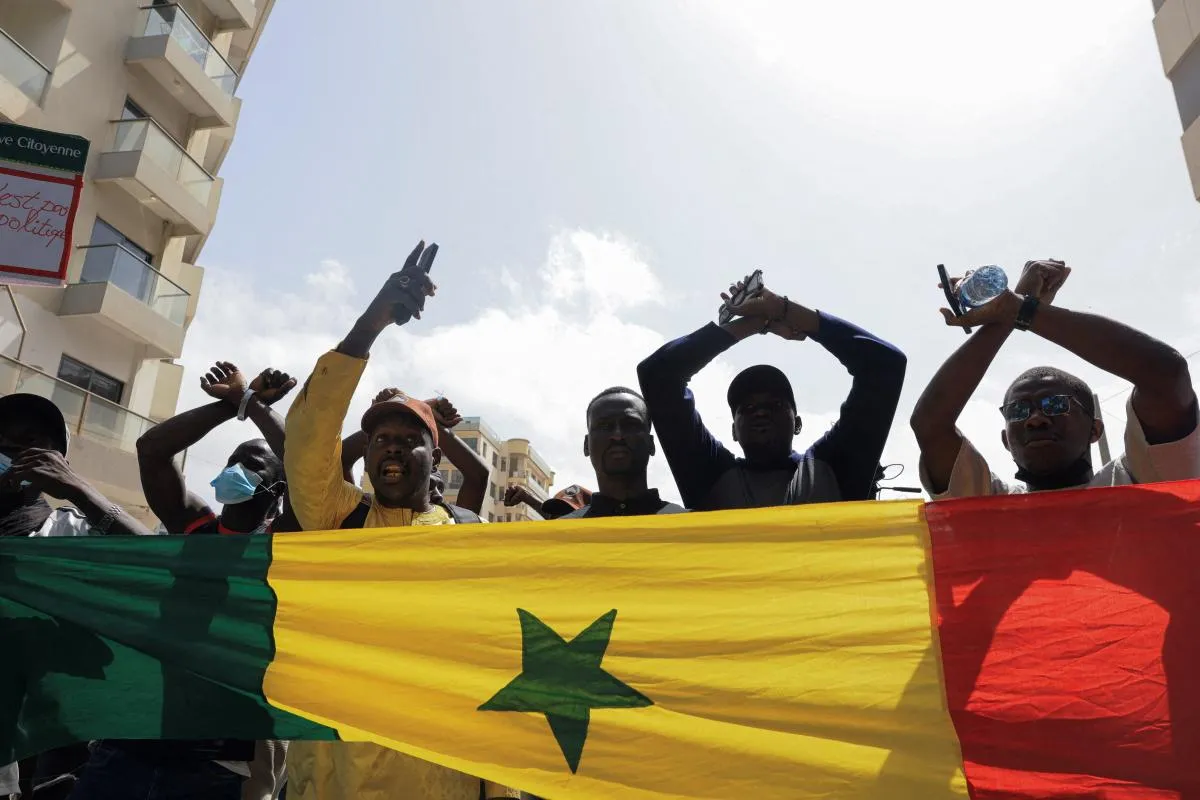
Foreign Affairs examines how IMF and World Bank involvement intersects with a debt crisis threatening parts of West Africa, with Senegal as the case in focus. For decision-makers, the key consequence is simple: debt dynamics and creditor pressure can turn quickly into financial and policy constraints.
Senegal is being pulled into a broader reckoning: the IMF and World Bank are increasingly central to how West African governments manage debt stress, refinancing risk, and fiscal choices. Foreign Affairs frames the situation as a brink moment, where the debt crisis is not a distant macro story but a near-term threat to stability in the region.
To understand why this matters right now, start with the role of the IMF and the World Bank in periods like this. When debt becomes hard to roll over, governments typically need new financing and credible adjustment plans. The IMF is often the gatekeeper for balance of payments support and program design, while the World Bank can influence how development lending and reforms are structured. Put simply, these institutions can change the rules of the next funding round. In a place where access to markets can tighten fast, those rules become the difference between “we can refinance” and “we have to make painful choices today.” Foreign Affairs’ central point is that this institutional pressure collides with a debt crisis that imperils West Africa, and Senegal sits in the crosshairs.
Now zoom out one layer, because the second-order impact is where executives should pay attention. A debt crisis is not only about a government’s spreadsheet. It cascades through budgets, public investment, and the flow of money to domestic firms and workers. When fiscal space narrows, spending plans get renegotiated, subsidies come under review, and infrastructure timelines can slip. For private operators and lenders, that can mean slower project returns, tougher procurement conditions, and more competition for limited public funds.
There is also a creditor and market mechanics angle. In many debt stressed environments, the path to relief depends on coordination among multiple parties, including bilateral creditors, multilateral institutions, and private holders. The IMF and World Bank are not creditors in the same way that a single bank is, but they influence the overall framework for negotiations. Their involvement tends to bring scrutiny to debt sustainability and to the credibility of reforms. That scrutiny can be helpful for long-term stabilization, but it can also tighten short-term constraints. In other words, even when the goal is stability, the adjustment timeline can feel like a scramble.
Regulatory and policy framing matters too. IMF programs and World Bank-linked reforms often include fiscal targets, public financial management steps, and sometimes measures aimed at improving revenue collection or reducing arrears. For Senegal and other West African countries facing debt stress, the question becomes whether policy changes can be implemented quickly enough to restore confidence without causing excessive disruption. That balancing act is rarely easy. If credibility wobbles, market access can degrade further, and refinancing risk rises, which then feeds back into the crisis.
Foreign Affairs highlights the core dilemma: the IMF and World Bank are tied to how the debt crisis unfolds, and the crisis itself is imperiling West Africa. That combination is what makes Senegal a “brink” story rather than a routine adjustment narrative. Once a region enters a debt tightening cycle, the costs tend to compound. Higher borrowing costs and limited financing can reduce the government’s ability to respond to shocks, whether economic, political, or climate related. The result is a tightening loop that can make “wait and see” more dangerous than it sounds.
For decision-makers in similar roles, the strategic stakes are regional and institutional at the same time. If you are an investor underwriting emerging market risk, a lender pricing sovereign exposure, or a board member overseeing a portfolio with infrastructure or financial sector exposure, this is a reminder that multilateral involvement can reshape outcomes. It can accelerate reforms and unlock financing, but it can also reveal how close the system is to a cliff. Senegal’s situation is a live example of how quickly debt stress can move from the abstract world of sustainability metrics to the real world of budgets, programs, and financing conditions. In the West Africa context, the brink is not metaphorical. It is a state of constraints, and constraints decide winners and losers.
This story's Key Insights and Take-aways are locked.
Create a free account to unlock Executive Actions for one credit.
Register to UnlockAlways free for Executives Club members. Join the Club
More in Politics

Vorobyov: Ukraine drone strikes kill at least 3 and injure 5 in Moscow region
Decision-makers get the operational signal: strikes are spreading, and energy retaliation is now the battlefield.

US launches new Iran strikes at 9pm GMT Sunday, Tehran calls diplomacy “futile”
The fight over the Strait of Hormuz escalates again, and the next move hinges on whether attacks stop mariner risk rising.
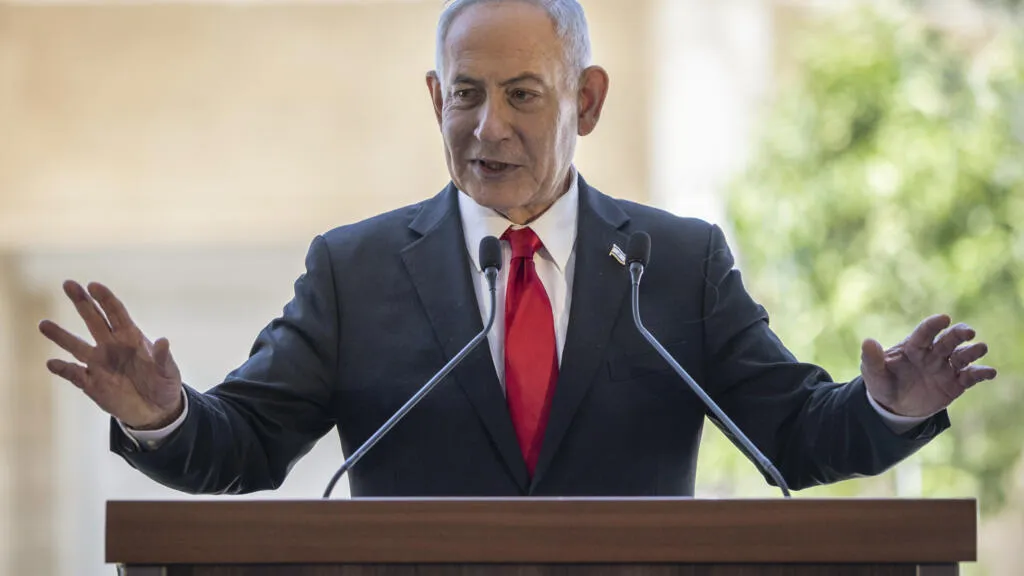
Israel sets Oct. 27 election, turning Netanyahu's post-Gaza test into a vote
Parliament chose the latest legal date, and Netanyahu plans to seek re-election after the Gaza war reshaped his leadership.