

Vorobyov: Ukraine drone strikes kill at least 3 and injure 5 in Moscow region
Decision-makers get the operational signal: strikes are spreading, and energy retaliation is now the battlefield.
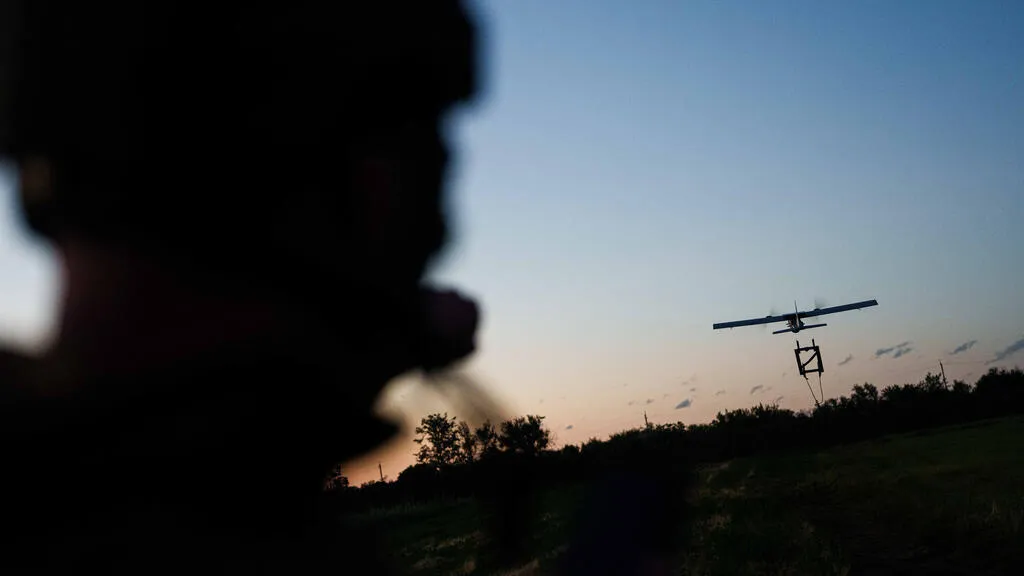
Governor Andrey Vorobyov said Ukraine’s drone attacks in the Moscow region killed at least three people and injured five others. The incident underscores how Ukraine is intensifying strikes on Russia’s energy targets in response to Moscow’s barrages.
Ukraine’s drone strikes in the Moscow region killed at least three people and injured five others, according to Moscow region governor Andrey Vorobyov. He said the attacks happened on Monday and shared the casualty figures via Telegram.
For operators, risk teams, and anyone with exposure to energy supply, insurance, logistics, or industrial continuity, this is not just a local security headline. It is part of a wider retaliation loop: Ukraine has been intensifying its strikes on Russia’s energy targets in response to Moscow’s barrages. In other words, the drone wave is being used to pressure the energy system, which then feeds back into how Russia can hit back.
When wars move toward energy, the impact rarely stays where the blast happens. Energy infrastructure is deeply interconnected. Even when strikes target specific facilities, the broader system can react through reduced output, constrained transmission, or emergency shutdowns. That often means downstream effects for everything that depends on reliable power and predictable fuel flows, including manufacturing, transport, and the day-to-day operations that keep supply chains alive.
The Kremlin-linked messaging from Vorobyov matters because it signals both scale and seriousness. By putting numbers on casualties immediately, officials are doing two things at once: informing the public and shaping the narrative that the attacks are being experienced as real, personal harm, not distant geopolitical noise. That kind of communication typically becomes part of the operational posture. It can influence how authorities allocate resources, how quickly they respond to further incidents, and how public pressure is channeled.
On Ukraine’s side, the source points to a clear strategy trend: intensifying strikes on Russia’s energy targets as a response to Moscow’s barrages. This matters for executive decision-makers because it highlights a cause-and-effect cycle that can accelerate. If Moscow intensifies bombardment, Kyiv’s response can become more aggressive, and the energy system is a high-value node for such leverage. Drones are relatively flexible compared to some other weapon types, and that flexibility can translate into more frequent attempts to disrupt.
From a governance and board perspective, the operational question becomes: how resilient are the systems you rely on if energy disruption becomes recurring rather than exceptional? Executives in energy-adjacent sectors, but also in insurers, banks, and industrials with heavy electricity or fuel needs, should think in scenarios rather than single events. The second-order risk is not only physical damage, but also the cascade of economic friction that follows: higher risk premiums, tighter controls, delayed capital spending, and more conservative counterparties.
There is also a regulatory and compliance angle, even when the story is being told through security reporting. Energy disruption and cross-border instability usually intensify scrutiny around sanctions, export controls, and licensing for dual-use technologies. While this specific article does not detail regulations, the broader environment is one where companies often need to demonstrate due diligence on counterparties, routing, and end-use. When conflict escalates around energy, the administrative burden tends to rise, and the cost of being wrong can be higher.
For peer executives, the takeaway is blunt: casualty reporting in the Moscow region paired with explicit mention of energy-target escalation tells you the battlefield is adapting. Drone strikes killing civilians and injuring others is a stark signal that attacks are penetrating beyond military installations. And the stated logic of targeting energy in response to barrages suggests the next phase could be less about one-off incidents and more about persistent pressure on the infrastructure economy.
If your organization has exposure to Russian energy flows, European power markets, industrial supply chains, insurance pricing, or compliance obligations tied to sanctions regimes, this is the kind of development that deserves immediate attention in risk committees. The strategic stake is resilience. Not just whether an attack happens, but whether the pattern turns from intermittent disruptions into a more durable operating constraint for the energy system and everyone downstream of it.
This story's Key Insights and Take-aways are locked.
Create a free account to unlock Executive Actions for one credit.
Register to UnlockAlways free for Executives Club members. Join the Club
More in Politics

Glacial collapse, not rain, killed 180 in Nepal's Himalayan flood
The Himalaya's extreme geography hid the true cause of Nepal's catastrophic flood, a glacial collapse that turned a geological battleground into a mass-casualty zone.

Iran’s Esmail Baghaei says Oman talks start shipping via Hormuz, not US talks yet
Temporary route plans with Oman aim to restart commerce while Tehran says Washington dialogue is not on the table.

Standards watchdog opens probe into Reform UK deputy leader Richard Tice over interests
The parliamentary standards commissioner says it began an investigation on 28 July into a possible undeclared interest.