
IMF and World Bank warn West Africa: Senegal’s debt risk could spread fast
Why the IMF and World Bank are treating Senegal like a stress test for the whole region’s fiscal stability.
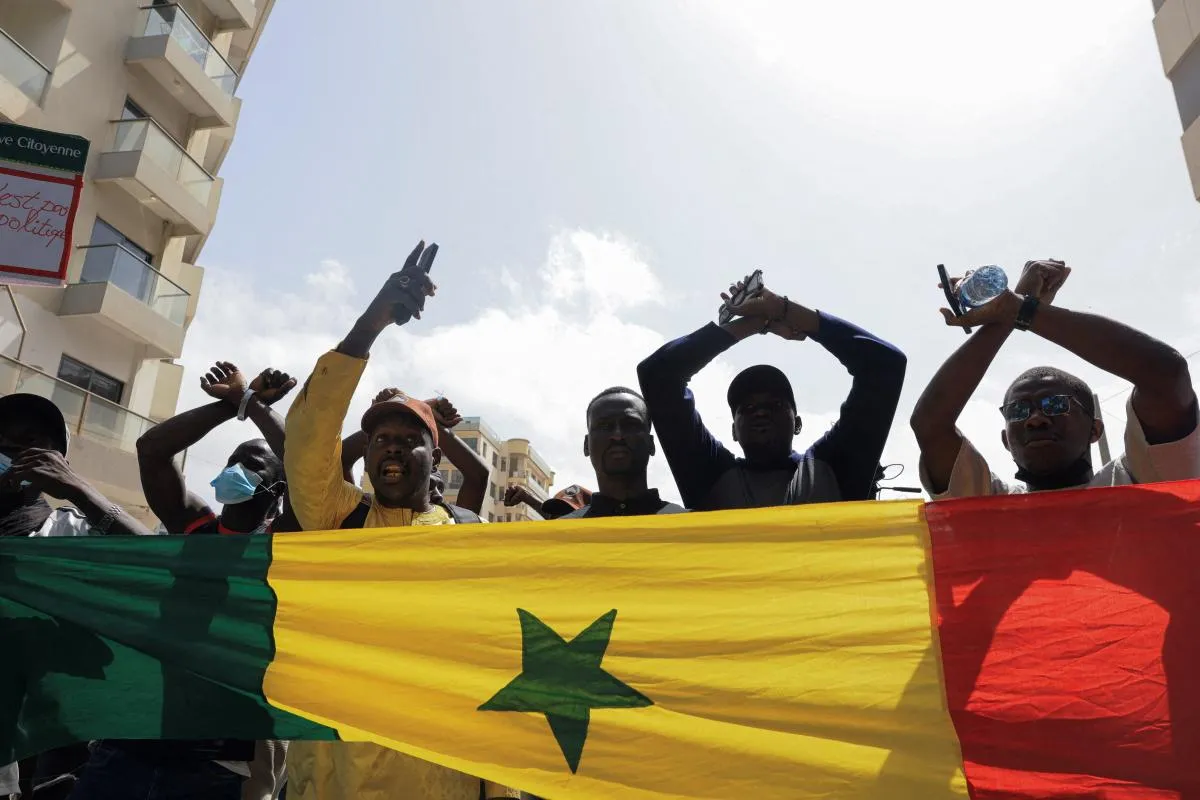
The IMF and the World Bank are confronting a debt crisis that imperils West Africa, with Senegal positioned at the center of the risk narrative. For decision-makers, the implication is straightforward but urgent: if Senegal’s financing strain turns into a broader adjustment cycle, regional capital and policy credibility get harder to manage.
Senegal is being treated as the canary in the coal mine for West Africa's debt situation, with the IMF and the World Bank in the background of the warning. In the framing laid out by Foreign Affairs, the problem is not an abstract “macroeconomic trend.” It is a debt crisis that can imperil countries across the region, and Senegal is on the brink of becoming the place where that risk becomes visible in markets and policy.
Here is the practical sting for executives and investors: when the IMF and the World Bank start hovering close to a country’s debt situation, it signals that normal financing assumptions may no longer hold. Those institutions typically sit at the intersection of crisis response and conditional lending, meaning their involvement is less about commentary and more about leverage. In other words, the stakes are tied to whether Senegal can keep debt dynamics stable without triggering a sharper, more expensive round of adjustment that spreads beyond its borders.
To understand why this is regionally consequential, it helps to remember how sovereign debt usually behaves once confidence cracks. Investors do not only price the headline debt stock. They price the path: how quickly interest costs rise, whether fiscal revenues can keep up, and what policymakers might need to do to restore balance. If a country starts sliding toward refinancing stress, the cost of new money climbs, liquidity becomes tighter, and debt servicing becomes more sensitive to shocks like commodity swings or currency pressure. That is the “second-order” effect decision-makers should care about. Even if the initial issue looks contained, the market’s math can turn containment into contagion.
That is also why the IMF and the World Bank matter in the way Foreign Affairs frames it. The IMF is commonly associated with macroeconomic stabilization and policy frameworks. The World Bank is more tied to development finance and institutional capacity. In a debt crisis, the two roles often converge in practice: stabilization and reform get discussed alongside financing and restructuring options. Even without pulling in extra details, the basic logic holds. A debt crisis is not only a funding problem, it is a credibility problem. Creditors want to know the plan is real. Institutions like the IMF and World Bank are the kind of organizations that can make a plan measurable for markets, donors, and lenders.
There is another layer, and it matters for boards. Debt distress is rarely just a government-to-creditor story. It feeds into the economy through budgets, public investment, and the cost of state-backed programs. When fiscal space shrinks, governments often have to reprioritize spending. That can shift tax burdens, tighten procurement, slow infrastructure delivery, and alter the risk profile for companies that depend on government contracts or public-private partnerships. Executives who operate in similar emerging-market supply chains should treat Senegal’s situation as a case study in how quickly capital allocation rules can change when debt becomes politically and financially binding.
Foreign Affairs’ focus on Senegal “on the brink” also implicitly points to the regional coordination challenge. West Africa is not one market, but it is one conversation for capital. If one country enters a painful adjustment cycle, investors may demand higher risk premiums across the neighborhood, not because fundamentals are identical, but because liquidity and correlation rise during stress. That is how a localized debt issue can become a regional funding hurdle. For policymakers and corporate leaders alike, that shifts the immediate question from “Can we fund this year?” to “What happens when refinancing becomes harder than expected, and everyone needs reassurance at the same time?”
So what should decision-makers take away from a Foreign Affairs warning anchored in the IMF and World Bank? First, treat Senegal’s debt risk as a trigger point for monitoring regional fiscal stability, not as a distant headline. Second, understand that crisis response is often conditional and time-bound. If policy adjustments are required, the window for orderly financing can shrink quickly. Third, prepare for knock-on effects in counterparties, financing costs, and the predictability of public-sector demand. That is the strategic stake: in a debt crisis, the cost of being late to the risk conversation is usually paid in higher funding costs and fewer options, not in a gentle learning curve.
This story's Key Insights and Take-aways are locked.
Create a free account to unlock Executive Actions for one credit.
Register to UnlockAlways free for Executives Club members. Join the Club
More in Politics
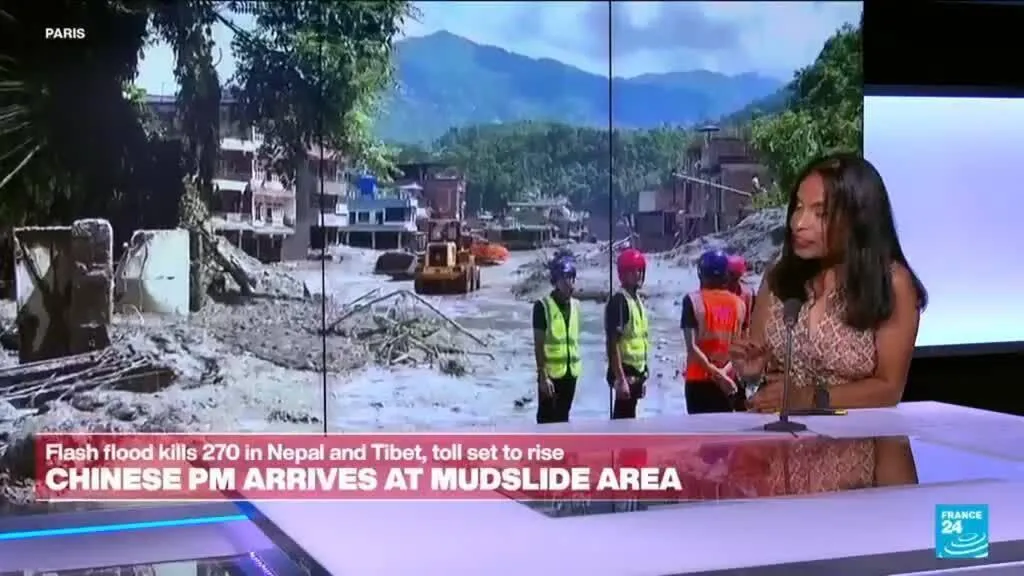
Glacial collapse, not rain, killed 180 in Nepal's Himalayan flood
The Himalaya's extreme geography hid the true cause of Nepal's catastrophic flood, a glacial collapse that turned a geological battleground into a mass-casualty zone.
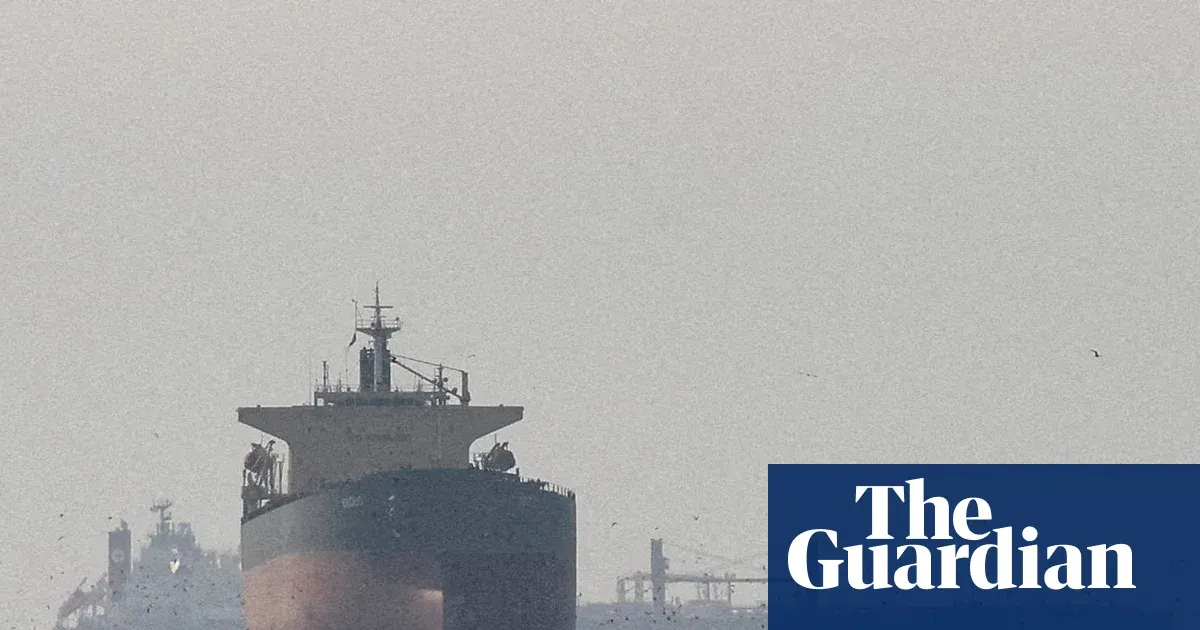
Iran’s Esmail Baghaei says Oman talks start shipping via Hormuz, not US talks yet
Temporary route plans with Oman aim to restart commerce while Tehran says Washington dialogue is not on the table.

Standards watchdog opens probe into Reform UK deputy leader Richard Tice over interests
The parliamentary standards commissioner says it began an investigation on 28 July into a possible undeclared interest.