

India's Trump panic distracts from U.S.-India strategy, Foreign Policy argues
The real question for leaders: what U.S.-India alignment looks like when politics turns emotional.

Foreign Policy argues that emotional politics in India can obscure the strategic logic behind U.S.-India ties. For decision-makers, that means reading the relationship as a system of incentives and interests, not a daily mood swing.
Foreign Policy’s core point is blunt: the “emotionalism” in Indian politics can obscure the strategic logic of U.S.-India ties. Translation for busy leaders: if you are making calls based on headlines, you risk missing what is actually driving the relationship, especially when U.S.-India cooperation is being interpreted through domestic political weather.
That is the hook, and it matters because U.S.-India ties are not just symbolic diplomacy. They are a strategic relationship with durable incentives on both sides. When Indian politics leans into emotion, the external partner relationship can start looking like a reactive drama instead of a structured alignment. Foreign Policy is basically warning that the emotional frame is distorting the signal: it pulls attention away from the strategic “why” and toward the temporary “what people are saying right now.”
To see why this distortion is so consequential, think about how international relationships behave like long-term operating systems. Even when politicians switch the tone, strategic ties usually persist because the incentives and constraints do not vanish overnight. On the U.S. side, the logic tends to revolve around geopolitical positioning, technology and security cooperation, and managing regional balance. On the India side, the logic tends to revolve around modernizing capabilities, diversifying partnerships, and ensuring that cooperation supports national priorities rather than consuming attention through short-term political cycles. When emotionalism takes center stage, it can create the illusion that the relationship is decided by sentiment alone.
For boards and executives, the practical issue is forecasting. Markets, regulators, and counterparties all hate uncertainty that is driven by mood rather than fundamentals. In a cross-border context like U.S.-India engagement, business planning often depends on assumptions about continuity: procurement timelines, compliance expectations, and the stability of partnership channels. If political narratives cause leaders to misread the underlying trajectory, companies can end up budgeting for scenarios that are emotionally compelling but strategically unlikely.
There is also a second-order implication that tends to get overlooked in political commentary: the governance and regulatory environment that sits behind “ties” is slow-moving. Regulatory decisions, export controls, licensing frameworks, and compliance pathways typically have process, documentation, and institutional memory. That means even when political rhetoric spikes, operational realities inside government agencies and corporate compliance functions often change at a slower pace. Emotionalism can therefore create a gap between what political actors imply and what regulators actually implement. If your team is tracking only the noise, you might confuse a rhetorical shift with an administrative one.
Foreign Policy’s framing suggests that leaders should be careful about turning every U.S. political event into a relationship reset. The U.S.-India relationship is not a switch; it is closer to a portfolio of agreements, working groups, and strategic investments that evolve over time. Emotional politics can make it feel like each U.S. administration headline forces an immediate course correction. But the strategic logic of ties tends to persist as long as both parties continue to see value, even if tactics, timelines, or emphasis change.
So what should decision-makers actually do with this? The answer embedded in Foreign Policy’s argument is methodological: prioritize strategic logic over emotional interpretation. That means asking, in concrete terms, what interests are being served, what constraints are at play, and what capabilities or risks both sides are trying to manage. In practice, that approach helps executives and boards separate communication from implementation, and scenario planning from reactionary planning.
The stakes are not abstract. In the real world, misreading political dynamics can lead to misallocated capital, stalled partnerships, or over-hedging that turns into opportunity cost. If Indian political emotionalism causes leaders to underestimate continuity or overestimate disruption, the resulting decisions can ripple through procurement, compliance strategy, talent planning, and even investor narratives. Foreign Policy is essentially urging leaders not to panic, because panic replaces analysis.
For peers in government, business, and investment roles, the broader lesson is universal: when international relationships are discussed through domestic emotion, the strategic signal gets buried. If you want to lead effectively across borders, you need to look past the emotionalism and toward the incentives that keep relationships moving, even when the political temperature rises.
This story's Key Insights and Take-aways are locked.
Create a free account to unlock Executive Actions for one credit.
Register to UnlockAlways free for Executives Club members. Join the Club
More in Politics

Glacial collapse, not rain, killed 180 in Nepal's Himalayan flood
The Himalaya's extreme geography hid the true cause of Nepal's catastrophic flood, a glacial collapse that turned a geological battleground into a mass-casualty zone.

Iran’s Esmail Baghaei says Oman talks start shipping via Hormuz, not US talks yet
Temporary route plans with Oman aim to restart commerce while Tehran says Washington dialogue is not on the table.
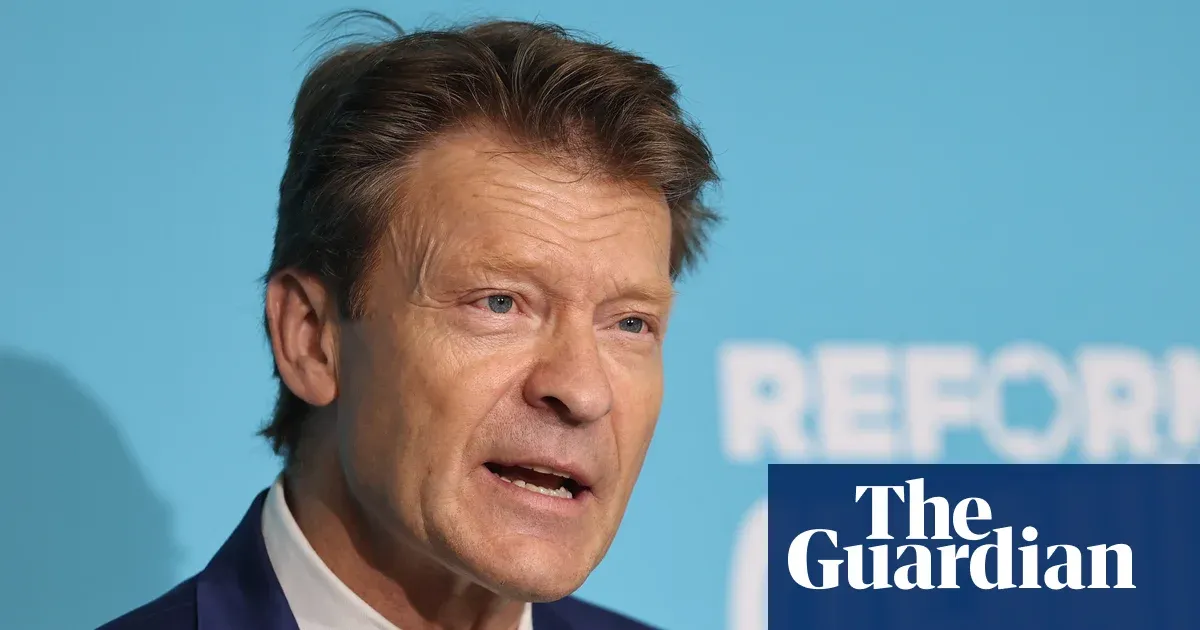
Standards watchdog opens probe into Reform UK deputy leader Richard Tice over interests
The parliamentary standards commissioner says it began an investigation on 28 July into a possible undeclared interest.