

Inquiry: education system failed white working-class children, after thousands of interviews
A major inquiry says the system let down white working-class children. Here is what it found and why it matters now.

An inquiry in the UK concluded that the education system failed white working-class children, based on talks with thousands of young people, their parents, and hundreds of teachers. For education leaders and policymakers, the consequence is clear: trust, funding, and accountability will face sharper scrutiny.
An inquiry has found that the education system failed white working-class children, after speaking to thousands of young people and their parents, alongside hundreds of teachers. That is the core claim, and it lands hard because it is not a vague critique. It is grounded in a large, wide set of perspectives across the school world.
The inquiry’s method matters. According to the report, it spoke to thousands of young people and their parents, and also hundreds of teachers. In other words, it did not rely on a small panel of experts watching from the sidelines. It pulled in people living the consequences, then compared that lived experience with what teachers see day to day in classrooms. That gives the headline weight. When a system is accused of failing a specific group, the first question decision-makers ask is: who said so, and how much of the school ecosystem backed it up? This inquiry tried to answer that directly.
Why this is politically and operationally explosive is not just the conclusion. It is the implied accountability chain. Education systems run on incentives: performance targets, school league tables, inspection pressures, and funding formulas that reward certain outcomes. If an inquiry concludes that white working-class children were let down, executives responsible for school improvement have to consider the possibility that the incentives on paper did not translate into support in practice for the students most at risk. That can include everything from early interventions to the quality and stability of teaching, to how schools identify need and respond.
There is also a cultural and procedural aspect. In the UK, education is not a single monolith run by one office. It is a network of local governance, school leadership teams, and teaching staff, all operating under policy and oversight frameworks. When an inquiry flags group-level failure, it puts pressure on boards and senior leaders to prove that they understand the distribution of outcomes, not just the average. “Average performance” can hide unequal experiences. If the inquiry’s findings point to a specific group being failed, that suggests the problem could be structural, not accidental.
For policymakers, the next step usually involves regulatory framing. In many systems, inquiries are the fuel that powers tighter oversight, revised accountability metrics, and new reporting requirements. The risk for leaders is that recommendations can turn into mandated reforms. That matters for budgets and capacity. Schools and education authorities do not just need good intentions. They need time, staffing, and training to operationalize changes. If the inquiry’s conclusion accelerates enforcement or expands compliance expectations, leaders may have to rebalance priorities quickly.
For school leaders and education executives, there is also a second-order effect: reputational and trust dynamics. Parents and students do not experience “policy.” They experience classrooms, communication, and the sense that school is built for them. The inquiry spoke to thousands of young people and their parents. That implies the findings are likely tied to how people felt the system treated them and whether it met their needs. When those feelings are echoed at scale, organizations often face pressure to demonstrate responsiveness, not just policy compliance.
The involvement of hundreds of teachers adds another layer. Teachers are the operational interface between policy and practice, but they also sit in the middle of competing demands: curriculum coverage, behavior management, assessment pressures, and support for diverse learning needs. If teachers participated in the inquiry, that suggests the concern is not simply coming from outside observers or political campaigns. It is tied to what educators see and experience, which can make reform harder and more necessary at the same time. It is harder because teachers are already stretched, and necessary because teacher insight is where realistic solutions begin.
So what should decision-makers do with this? The inquiry’s core message is that the education system failed white working-class children, supported by interviews with thousands of young people and their parents, and hundreds of teachers. That should prompt leaders to examine whether their improvement plans address group-level gaps, whether their interventions reach the students who need them most, and whether the feedback loops from students, families, and staff are actually shaping decisions. In an environment where oversight and public scrutiny can rise quickly, the strategic stake is straightforward: schools and education bodies that ignore inequality signals risk being judged not just ineffective, but unresponsive to the people the system is supposed to serve.
This story's Key Insights and Take-aways are locked.
Create a free account to unlock Executive Actions for one credit.
Register to UnlockAlways free for Executives Club members. Join the Club
More in Politics
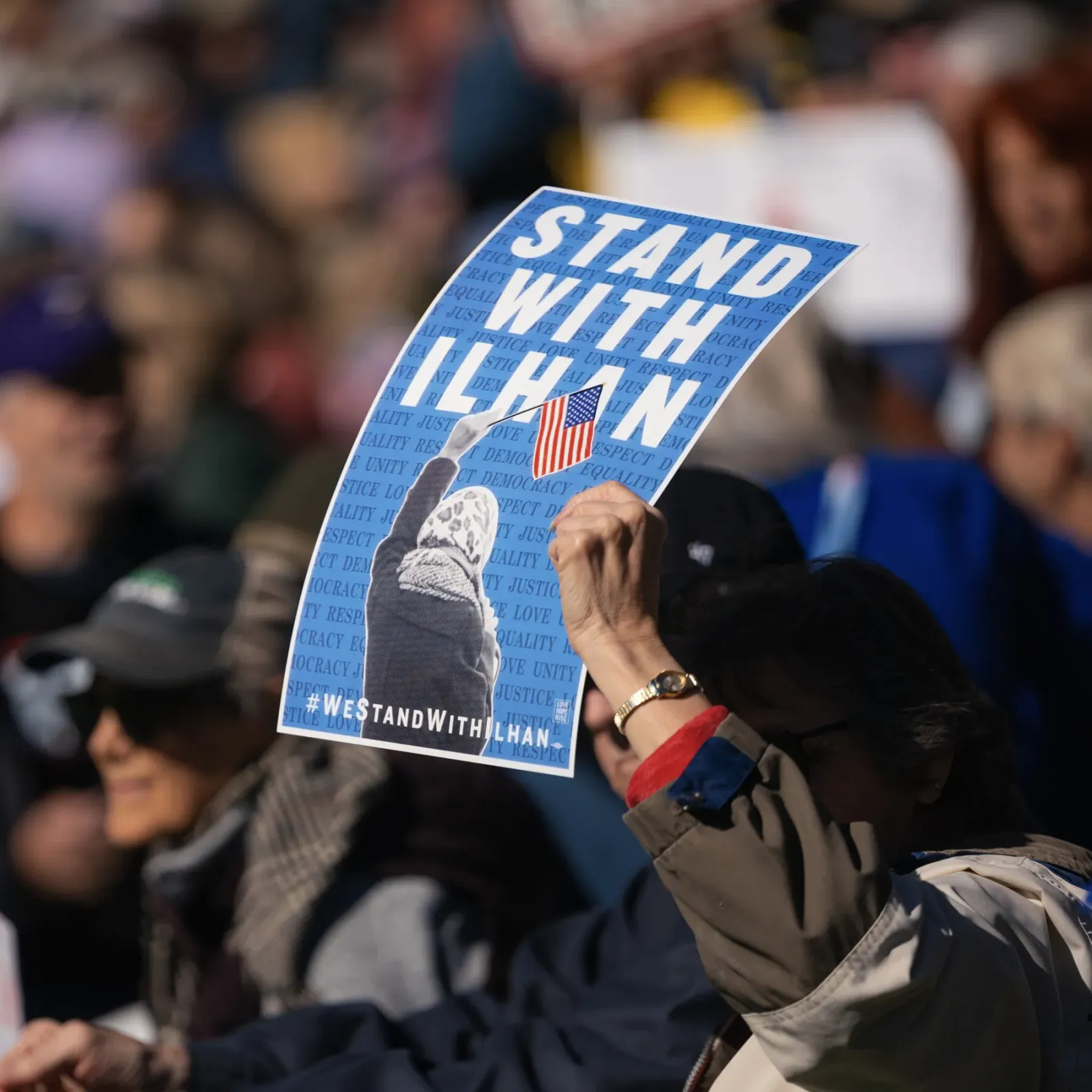
Obama Defends Ilhan Omar After Agents Search Her Home in Trump Inquiry
The former president's intervention raises the stakes in a federal probe into immigration paperwork that has put a prominent progressive lawmaker in the crosshairs.

Blair-era minister: cut welfare to fund youth job support
Alan Milburn's call for welfare cuts to fund employment support opens a Labour fight over benefits and the Neet crisis.
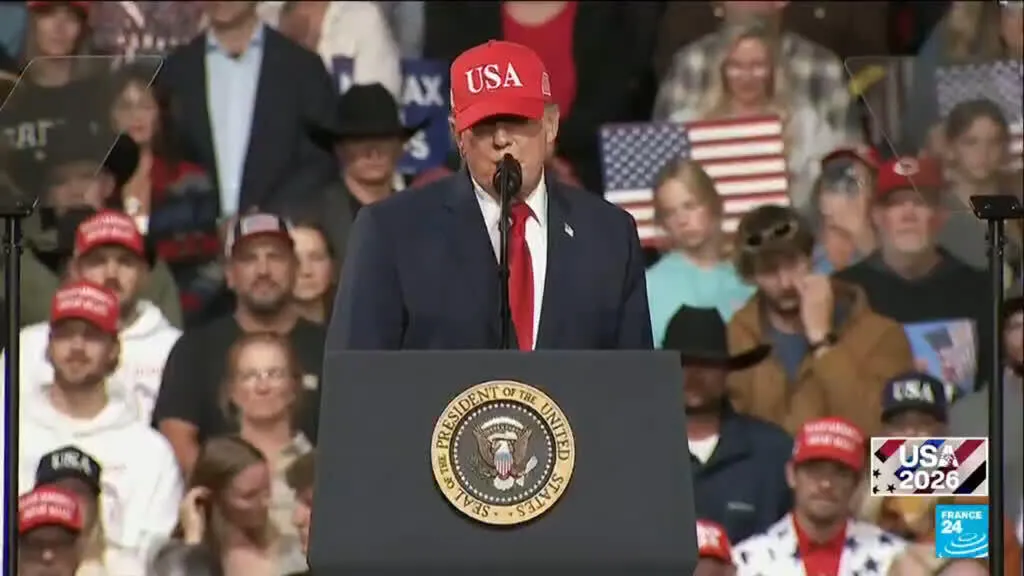
Hot September CPI: energy costs surge, voters feel the squeeze before midterms
The latest inflation print lands as Trump campaigns for GOP control of Congress, putting cost-of-living worries at the center of the midterm fight.