

Iran and Oman start Hormuz talks in Doha as Trump deal hangs by a thread
First Joint Hormuz Committee meeting follows US media claims, Iran pushback, and a still-vague interim MoU.
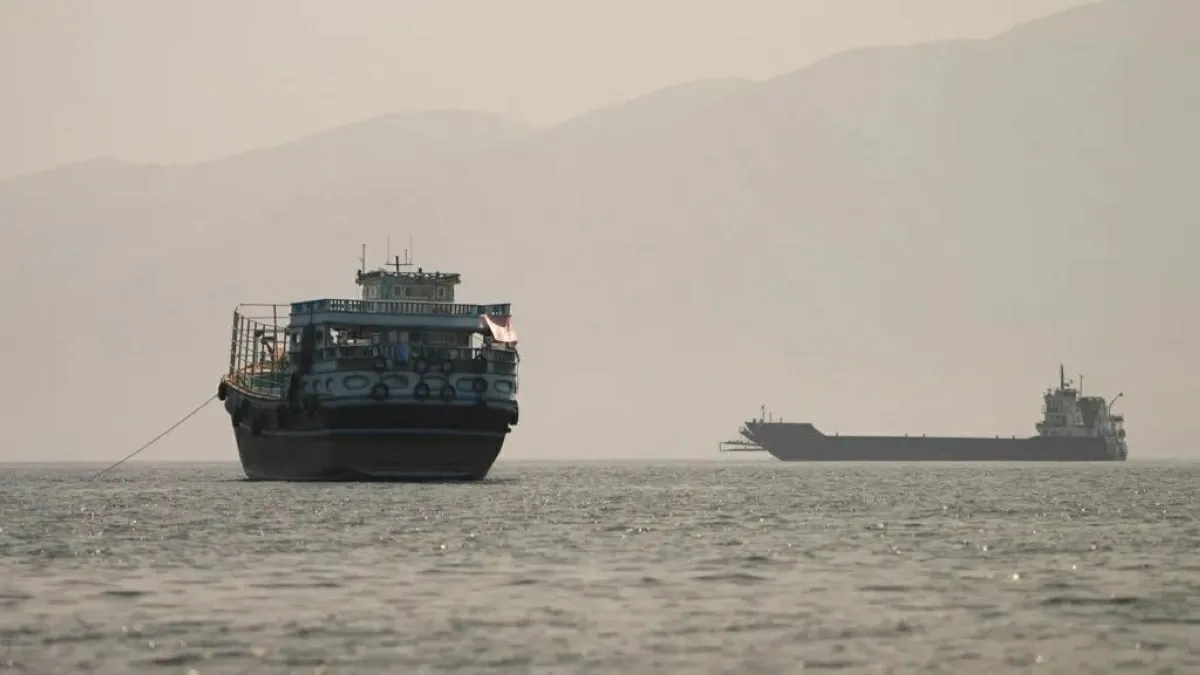
Iran and Oman held their first formal talks on the future administration of the Strait of Hormuz, with Muscat hosting the inaugural meeting of the Joint Hormuz Committee. The US-Iran interim memorandum of understanding remains politically fragile amid competing interpretations, renewed shipping risks, and mounting leverage games.
Dubai. Iran and Oman held their first formal talks on Monday on the future administration of the Strait of Hormuz. The meeting, announced by Iran's Deputy Foreign Minister Kazem Gharibabadi, happened during a trip to Muscat and centered on “current issues related to the strait” under the framework of the interim memorandum of understanding (MoU) signed earlier this month between Tehran and Washington.
The headline problem is not that talks are happening. It is that the deal enabling them is still unstable. The announcement came after multiple US media reports said Washington had agreed with Tehran to halt attacks following an exchange of strikes, and that the two sides planned to renew talks in Qatar on Tuesday. Iran reacted by shooting down those claims, and the US President Donald Trump then moved to contradict Tehran, saying on Truth Social that “Iran has requested a meeting” and that it “will take place tomorrow in Doha,” in capital letters.
So what exactly did Iran and Oman discuss on the ground? Gharibabadi said that “the first meeting of the Joint Hormuz Committee was held” while they reviewed how the Strait of Hormuz should be managed going forward. He tied the exchange to paragraph five of the Islamabad MoU and to the sovereign rights of coastal states. That matters because the Strait is not just another chokepoint. It is a critical artery for global energy flows: the source notes that prior to the war a fifth of the world's oil and liquefied natural gas passed through the strait, and disruptions have repeatedly snarled shipments and lifted energy prices for months.
Iran’s framing is that paragraph five provides for arrangements for safe passage of commercial shipping while Iran and Oman discuss future administration with other Gulf littoral states in consultation and in accordance with international law. Iranian officials also added that the first round of technical talks would only occur when all conditions are met, and that the date and venue would be agreed by all sides. In other words, Muscat may be where the committee met, but it is not necessarily where the technical machinery turns on. Iran also said consultations continue “through intermediary countries.”
This is where the business risk picture gets real. The interim MoU signed by Trump while dining with French President Emmanuel Macron at the Palace of Versailles on 17 June, and by Iranian President Masoud Pezeshkian in Tehran, was designed to open a pathway to a final settlement. Under the 60-day framework, the two sides committed to negotiate a final agreement covering Iran's nuclear program, lifting of sanctions, and the long-term status of the Strait. But the source emphasizes that the Strait remains Iran’s decisive leverage and that both sides continue to offer different interpretations of the framework deal, leveraging vague language and apparent loopholes.
The “loopholes” show up in the current navigation reality, not in diplomatic talking points. The source reports that while the strait passes through Omani and Iranian territorial waters, under customary international law neither state can generally block passage or levy tolls. Yet Tehran “effectively blockaded Hormuz” on 28 February, the day the US and Israel launched airstrikes across Iran, sending energy prices sharply higher and disrupting global supply chains for more than four months. Tehran has continued to warn that bypassing its preferred route would “increase tensions” in the Middle East. Meanwhile, the source says dozens of vessels have traveled along the opposite side of the waterway close to the Omani coast, implying that the corridor dispute is not settled on the water.
This week’s flare-ups make the committee meeting feel like the calm surface of a still-hot negotiation. Early Sunday, US Central Command (CENTCOM) said it attacked 10 Iranian military targets over “continued Iranian aggression against commercial shipping.” The immediate trigger was an Iranian drone attack on Saturday on the M/T Kiku, a Panama-flagged crude oil tanker heading to Fujairah in the UAE. Iran said it retaliated with strikes against US bases in Kuwait and Bahrain, targeting the US Fifth Fleet headquarters at Salman Port in Bahrain and the Ali Al Salem Air Base in Kuwait. Kuwait and Bahrain denounced the Iranian attacks.
Navigation routes are now being contested as part of the pressure campaign. On Saturday, the US Navy's Joint Maritime Information Center announced a formal widened shipping route near the Omani coast, directly challenging Iran’s assertion of sole authority over navigation. Iranian Foreign Minister Abbas Araghchi said any attempt to adopt new or separate arrangements compared to what is “under way” by the Islamic Republic of Iran would “only lead to more complicated situations and delays in the reopening of the Strait of Hormuz,” and increase tensions. The operational takeaway for anyone exposed to shipping, insurance, financing, and physical throughput is straightforward: even when diplomats meet, routing decisions and enforcement postures can change overnight.
For executives and boards, the strategic stake is not abstract. It is the difference between an energy corridor that is “reopening” in policy language and a corridor that is reliable in the real world for schedules, charter rates, and risk models. Tehran’s control efforts are ongoing in parallel. The source notes that Iran's IRGC said it was taking measures to control traffic and that vessels violating them would be dealt with more firmly than before. It also reports that Mohammad Mokhber, adviser to Iran's Ayatollah Mojtaba Khamenei, wrote on X that as long as Tehran managed the strait, Washington's “hegemonic dreams in the region will not be realised.” On the US side, Trump repeated warnings of total military action if attacks on shipping resume, stating that Iran would “no longer exist” if the US is “forced” to restart the war. That kind of language tightens the margin for error, which is exactly why this first Muscat committee meeting will be watched for whether it unlocks technical talks or just documents disagreement.
If you are a logistics operator, an energy trader, a lender with exposure to maritime supply chains, or a board member overseeing risk, the lesson is to treat “first formal talks” as a leading indicator, not a solution. The source’s timeline makes clear that the interim MoU can be strained by events on the water, that media reports can provoke public contradiction, and that vague language can become a weapon. The Strait of Hormuz is still the leverage, and leverage cuts both ways.
This story's Key Insights and Take-aways are locked.
Create a free account to unlock Executive Actions for one credit.
Register to UnlockAlways free for Executives Club members. Join the Club
More in Politics
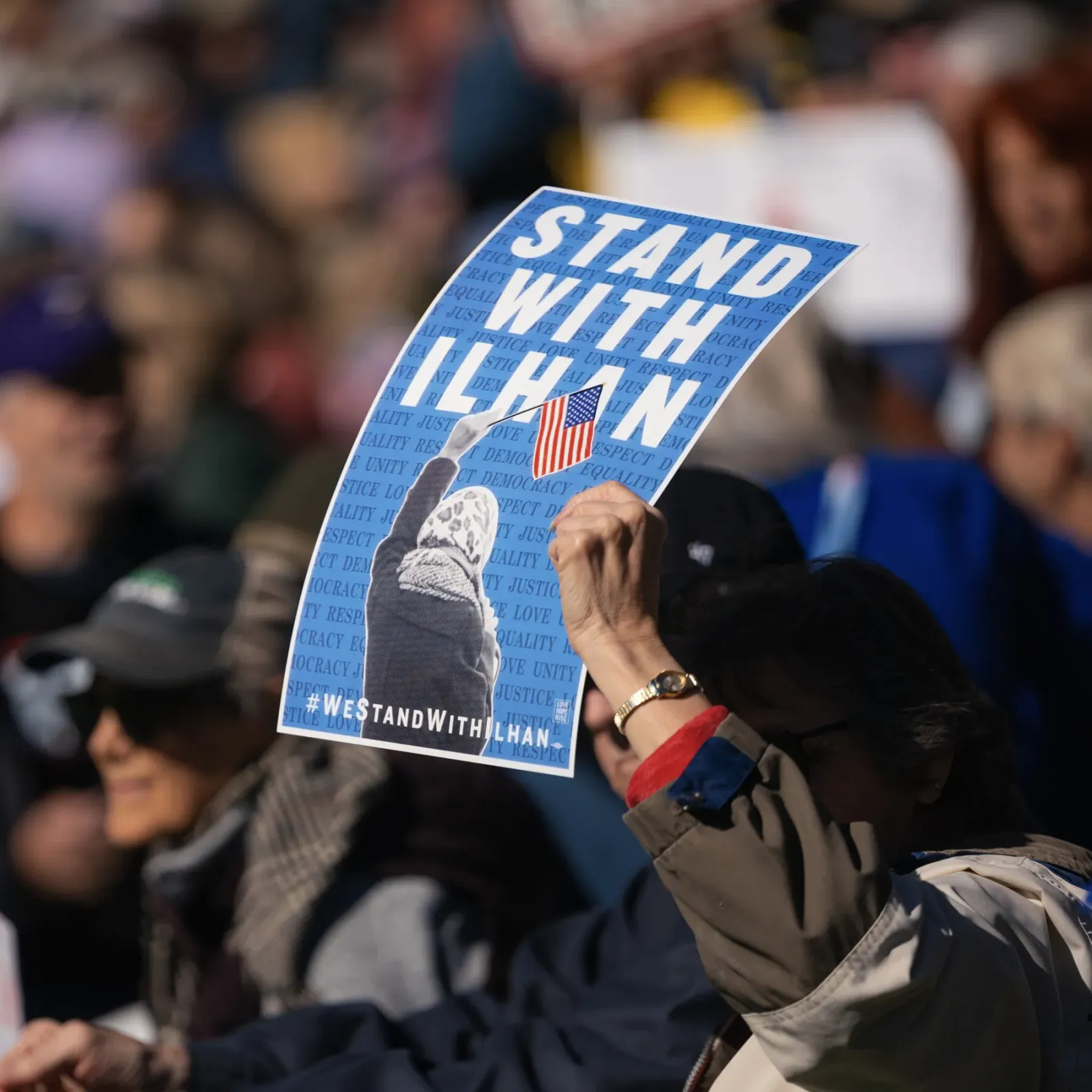
Obama Defends Ilhan Omar After Agents Search Her Home in Trump Inquiry
The former president's intervention raises the stakes in a federal probe into immigration paperwork that has put a prominent progressive lawmaker in the crosshairs.

Blair-era minister: cut welfare to fund youth job support
Alan Milburn's call for welfare cuts to fund employment support opens a Labour fight over benefits and the Neet crisis.
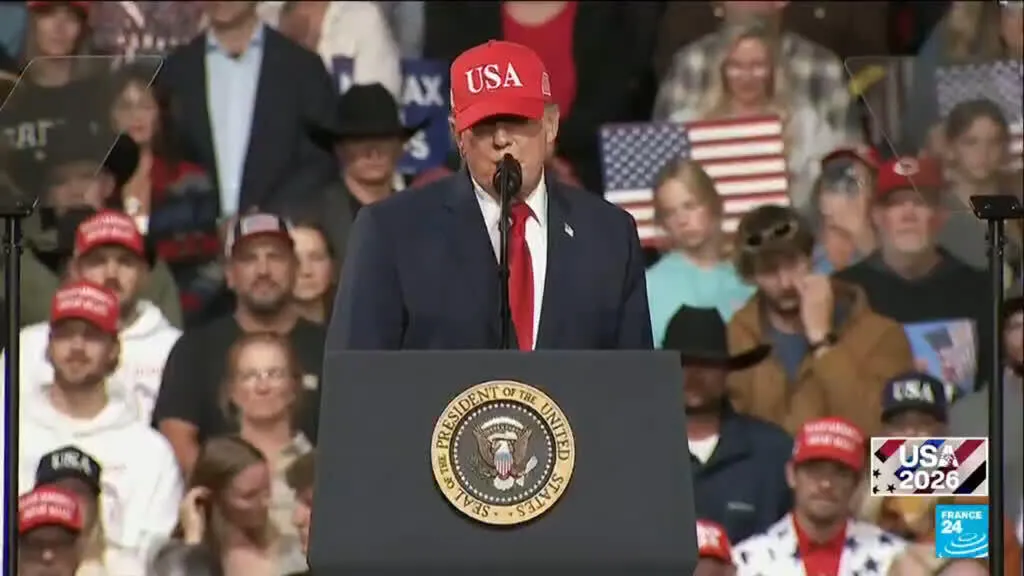
Hot September CPI: energy costs surge, voters feel the squeeze before midterms
The latest inflation print lands as Trump campaigns for GOP control of Congress, putting cost-of-living worries at the center of the midterm fight.