
Iran denies US talks while both send Qatar delegations, raising Strait of Hormuz risk
A pause in attacks does not settle next steps: Iran says no US meeting, but shipping and energy stakes are immediate.
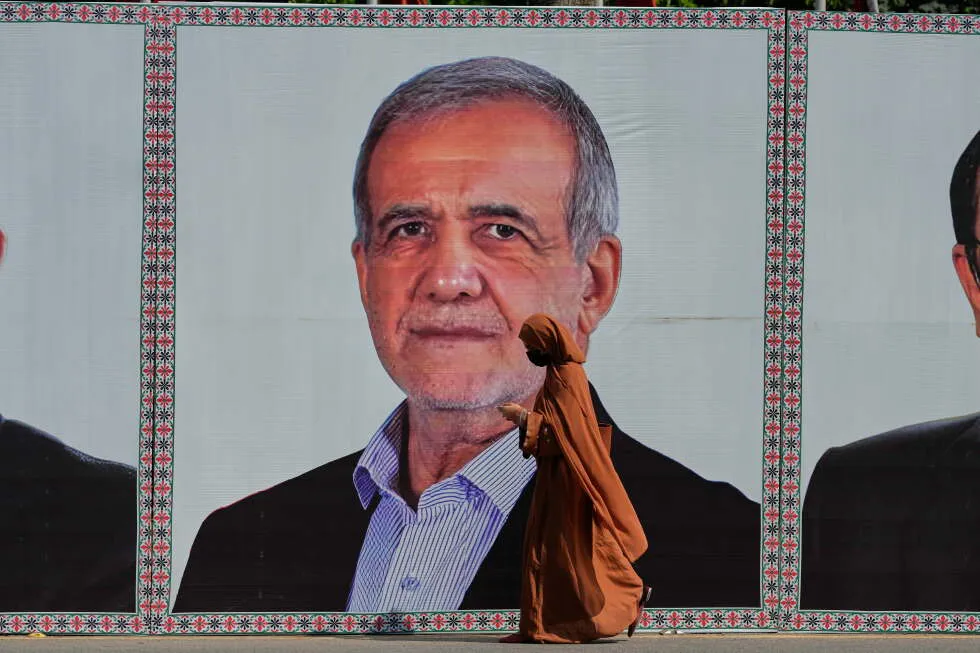
The United States and Iran both announced delegations to Qatar this week to discuss an interim end-to-hostilities framework, but Tehran insists it has not agreed to meet the U.S. “at any level.” For decision-makers, the key consequence is operational: whether the Strait of Hormuz stays open and whether frozen assets, uranium dilution, and transit rules move on schedule.
Monday’s diplomacy has two competing headlines, and both hit the same nerve: the Strait of Hormuz.
The United States and Iran separately announced they will send delegations to Qatar this week after weekend attacks challenged the talks, with hostilities appearing to pause Monday. But Iran’s senior negotiator Kazem Gharibabadi denied that talks had been scheduled, and Iran’s Foreign Ministry spokesman Esmail Baghaei went further, saying: “There are no negotiation meetings with the U.S. side at any level scheduled in the coming days.” The dispute is not a semantic footnote. It’s the difference between structured talks and messages passed through intermediaries, with shipping and energy markets still deciding what “pause” really means.
This matters now because the interim framework depends on sequencing. Earlier this month, the U.S. and Iran agreed to an interim deal that calls for Tehran to dilute its stockpile of enriched uranium. It also waives U.S.-backed oil sanctions, calls for free traffic through the Strait of Hormuz, and gives each side 60 days to hammer out broader agreements. That 60-day clock turns compliance into a business variable. If negotiations stall, the market tends to price in the next round of uncertainty even if there is a pause today.
The background explains why everyone is watching Qatar. Over the weekend and into the days before, both sides escalated with attacks across the Persian Gulf. Iran again launched drone and missile attacks Sunday targeting Bahrain and Kuwait in response to new U.S. airstrikes. Iran threatened a “complete halt” in negotiations to end the war if Washington continues its attacks. Monday’s seeming standstill follows four days of trading strikes, but a pause after escalation does not automatically create trust. In crisis negotiations, trust is built by meetings, not just by delegations.
So what exactly is being discussed in Qatar, if not a U.S.-Iran meeting? The U.S. framing is straightforward: U.S. President Donald Trump said the Islamic Republic requested a meeting with U.S. counterparts and that they planned to convene Tuesday in Doha, Qatar. White House press secretary Karoline Leavitt told Fox News’ “Fox & Friends” that special envoy Steve Witkoff and Jared Kushner, the president’s son-in-law, were flying to Qatar. On Iran’s side, Baghaei said Tehran was sending its delegation to Qatar, a key mediator in the negotiations, to discuss the terms of the interim deal without involving the U.S., including the planned release of frozen Iranian assets and other issues related to the deal. The gap between “a meeting is planned” and “no negotiation meetings are scheduled” is the entire story.
That asset piece is not abstract. A U.S. official operating on the understanding that the U.S. and Iran are standing down said Qatar planned to release $6 billion in frozen Iranian assets that would be used to purchase U.S. food products for the Iranian people. Iran’s President Masoud Pezeshkian referenced the expected release earlier Monday in comments published by the state-run IRNA news agency. Pezeshkian is a reformist within Iran’s theocracy and, in this moment, higher-ranking officials acknowledging fund releases are meaningful signals for both domestic politics and the external negotiating posture. For markets, frozen assets that move can reduce tail risk. For regulators and counterparties, the question becomes whether the release happens on schedule and whether sanctions waivers remain credible.
Shipping and energy are the second-order issue executives cannot afford to ignore. During the war that began Feb. 28, attacks and threats stopped cargo ships and tankers from moving through the Strait of Hormuz, creating a global energy crisis. In recent days, Iran twice attacked vessels in the strait, including a tanker filled with Qatari crude, after efforts to open Oman’s territorial waters for inbound and outbound traffic from the Persian Gulf. The attacks triggered retaliatory American airstrikes and raised concerns that negotiations to reach a formal end could be disrupted. Monday’s pause, plus statements that vessels can move freely, helps, but it does not eliminate the operational reality: every incident teaches traders and operators to hedge.
Even the transit-fee debate shows how quickly a “talks pause” can turn into a policy fight. Oman’s foreign minister Badr al-Busaidi said Monday that Oman and Iran are considering charging service-related fees for commercial ships transiting the Strait of Hormuz, with services including water safety measures, pollution prevention, navigational assistance, and preparedness for incidents like fires. He told Radio Monte Carlo Oman does not support imposing transit fees and said “This is internationally forbidden.” Other Gulf Arab states and the U.S. firmly oppose transit costs for ships, and the logic is obvious. Once the payment mechanism exists, the risk shifts from “are ships attacked?” to “how is passage priced?” That’s a different kind of instability for shipping companies, insurers, and energy procurement teams.
Finally, mine-clearing and military posture add texture to the risk. An Iranian official warned France against “provocations” after French President Emmanuel Macron posted on X about France and others coordinating efforts to clear mines from the Strait of Hormuz. Kazem Gharibabadi said on X that under the interim deal demining is carried out solely by Iran and by no other country. Separately, Lebanese President Joseph Aoun said Lebanon is determined to deploy troops along its entire southern border as part of a framework agreement with Israel signed Friday, while meeting with Adm. Brad Cooper, the top U.S. military commander in the Middle East. These threads may be separate, but they reinforce one takeaway for executives: peacetime governance is not yet in place, and operational decisions today can quickly become the “new normal” tomorrow.
This story's Key Insights and Take-aways are locked.
Create a free account to unlock Executive Actions for one credit.
Register to UnlockAlways free for Executives Club members. Join the Club
More in Politics
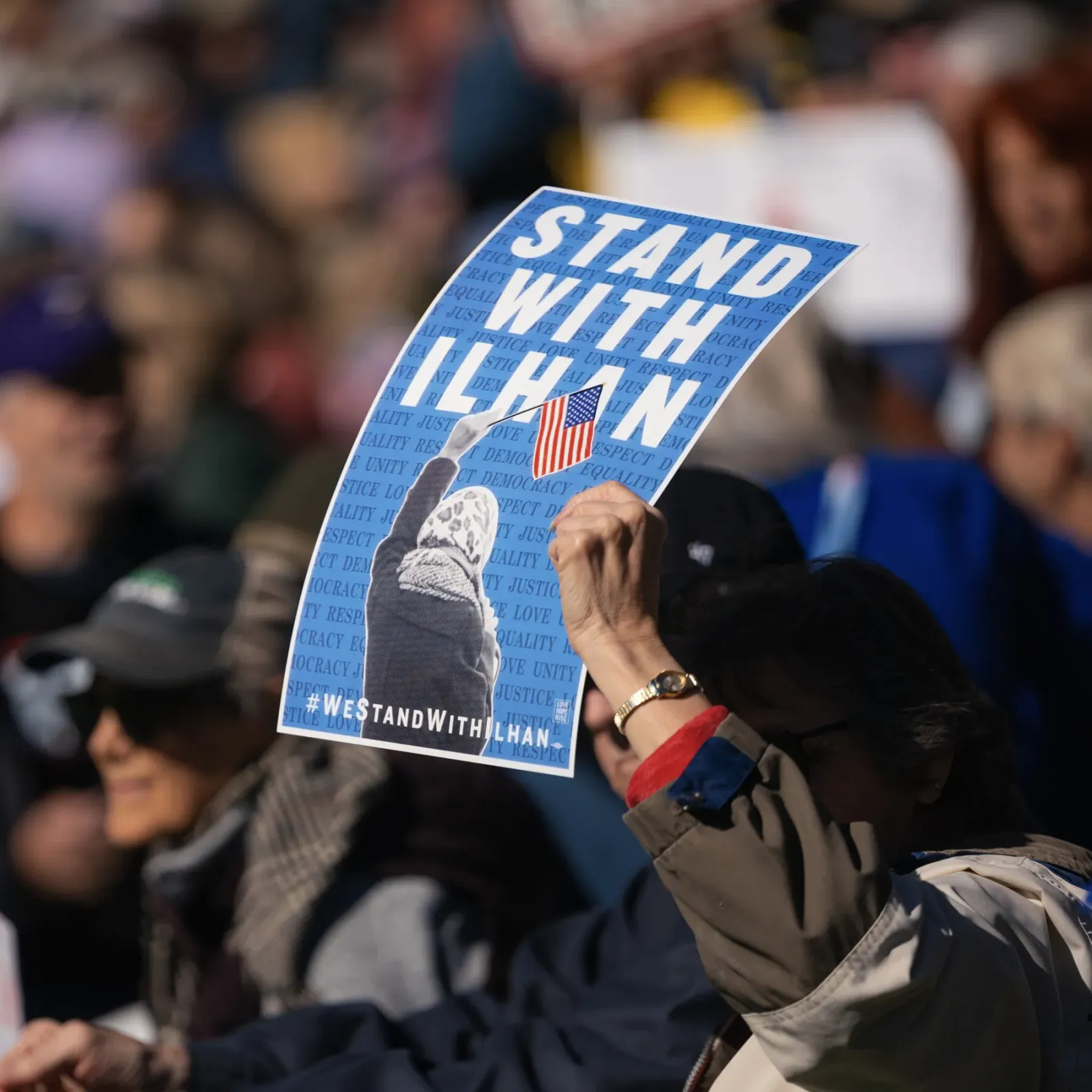
Obama Defends Ilhan Omar After Agents Search Her Home in Trump Inquiry
The former president's intervention raises the stakes in a federal probe into immigration paperwork that has put a prominent progressive lawmaker in the crosshairs.

Blair-era minister: cut welfare to fund youth job support
Alan Milburn's call for welfare cuts to fund employment support opens a Labour fight over benefits and the Neet crisis.
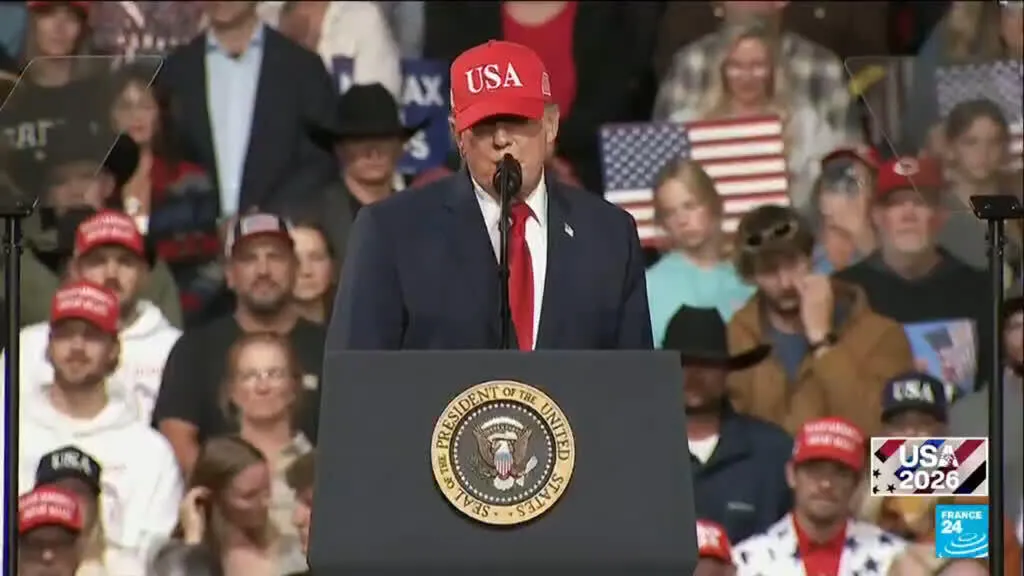
Hot September CPI: energy costs surge, voters feel the squeeze before midterms
The latest inflation print lands as Trump campaigns for GOP control of Congress, putting cost-of-living worries at the center of the midterm fight.