
Iran hits Bahrain and Kuwait after US strikes, threatens “complete halt” on talks
The drone and missile escalation collides with Hormuz reopening plans, putting U.S.-Iran negotiations and shipping risk front and center.

Iran launched drone and missile attacks targeting Bahrain and Kuwait on Sunday after new U.S. airstrikes against the Islamic Republic, and Iran threatened a “complete halt” in negotiations if Washington continues its attacks. The escalation raises near-term security risk for the Strait of Hormuz and complicates U.S.-Iran talks that are expected to resume Tuesday on terms of their interim deal.
Iran launched drone and missile attacks targeting Bahrain and Kuwait on Sunday after new U.S. airstrikes hit the Islamic Republic, and it warned it will impose a “complete halt” in negotiations to end the war if Washington keeps striking. Sirens sounded in Kuwait City early Sunday after both Bahrain and Kuwait said they were targeted with drone and missile fire.
The threat matters because the same week is also trying to move the world’s energy chokepoint. Iranian Foreign Minister Abbas Araghchi reiterated Tehran’s claim that it must govern the Strait of Hormuz, arguing that any attempt to set “new or separate arrangements” outside Iran’s current role would delay reopening and raise tension. For executives, this is the uncomfortable overlap of kinetic escalation and high-stakes logistics: when drones are flying, shipping risk premiums move fast.
AP reports that Iran’s attacks followed U.S. retaliation tied to an earlier trigger: an Iranian drone struck a merchant vessel off Oman on Thursday, and the U.S. military retaliated. On Sunday, the U.S. military said it struck Iranian military “surveillance infrastructure, communication systems, air defense sites, drone storage facilities and minelayer capabilities” after an attack on a ship on Saturday. The interplay is clear: each side frames the other as escalating, while both keep escalating. That dynamic is exactly what tends to break fragile negotiation windows.
Shipping leaders and risk teams should also focus on what the maritime authorities said about actual traffic, because it’s the easiest “leading indicator” for investors. A multinational maritime body overseen by the U.S. Navy said Sunday it would expand a route near Oman for inbound and outbound traffic, and it added that “U.S.-assisted commercial transits continued uninterrupted” despite the elevated threat environment. Still, it said 89 transits occurred, below the historical average of 138 vessels a day. That gap is where margins get squeezed: reroutes, scheduling friction, and insurance cost changes can hit traders and logistics providers even when cargo keeps moving.
Iran is not just threatening escalation. It is also staking a specific operating model for Hormuz. Araghchi said Tehran must govern the strait and warned that bypassing Iran would create “further complications, delay the reopening of the Strait of Hormuz and increase the level of tension.” The Strait of Hormuz has long been considered an international waterway despite its location near Iran and Oman’s territorial waters. Yet AP notes that in recent days Iran has twice attacked vessels going through a route near the Omani side. In negotiation terms, that means Iran is tying security to governance. In business terms, it means routing decisions cannot treat the strait as a neutral corridor.
Meanwhile, the negotiation timeline has two clocks running at once: diplomatic deadlines and security reversals. Pakistan, a key mediator, said talks would resume Tuesday between the U.S. and Iran on the terms of their interim deal. The Trump administration said nothing has been canceled and that technical talks are on track for the coming days. Those talks include arrangements around the strait, the removal of a U.S. blockade on Iranian ports, and sanctions on Iran, along with the future of Iran’s stockpile of highly enriched uranium. The two sides have 60 days from signing a memorandum of understanding earlier this month to work out details.
But the talks face an additional load-bearing condition: Lebanon. AP reports that continued conflict in Lebanon threatens the agreement, which says fighting must end on all fronts before certain issues can be discussed. Israel and Lebanon signed a framework agreement intended to end the latest fighting between Israel and the Iranian-backed Hezbollah militant group, which began two days after the Iran war started when Hezbollah fired at Israel. Israel has responded with an invasion of southern Lebanon and said it will not withdraw until Hezbollah is disarmed. The agreement did not include Iran or Hezbollah, which criticized it and rejected calls to disarm. Hezbollah’s leader said Saturday the group would continue fighting until Israel withdraws.
Executives should also track how regional mediators and third-party security actors are being pulled into the mix. Kuwait, which hosts a major U.S. military base, said air defenses intercepted Iranian drones and two missiles just after the U.S. strikes in Iran, and there were no reports of injuries or damage. Bahrain said the Iranian strikes damaged a residential building near the international airport and no one was killed; it also denounced what it called a “dangerous escalation” and a “systematic pattern of repeated aggression.” Qatar later said a civilian had been killed, and another person hurt, by shrapnel related to “military operations in the area” after a vessel did not return at its scheduled time on Saturday, without further details.
Finally, the U.S. political messaging adds volatility to the negotiating environment. AP says U.S. President Donald Trump on social media accused Iran of violating the deal and warned of a point where the U.S. may “be forced to militarily complete the job,” writing: “If that happens, the Islamic Republic of Iran will no longer exist!” On the Iran side, its paramilitary Revolutionary Guard claimed responsibility for the attacks in Bahrain and Kuwait. Iran’s key negotiator and parliament Speaker Mohammad Bagher Qalibaf said Sunday that a meeting of a new “conflict control unit” formed among Iran, the United States and Lebanon should meet as soon as possible, according to Iran’s state broadcaster.
Put it together and the strategic stake is bigger than any one strike. The world is trying to reopen Strait of Hormuz logistics and unwind sanctions and port blockades while violence keeps testing whether the other side will hold the line. For boards, the question is not whether negotiations exist, it’s whether escalation risk can be ring-fenced long enough to deliver commercial certainty.
This story's Key Insights and Take-aways are locked.
Create a free account to unlock Executive Actions for one credit.
Register to UnlockAlways free for Executives Club members. Join the Club
More in Politics
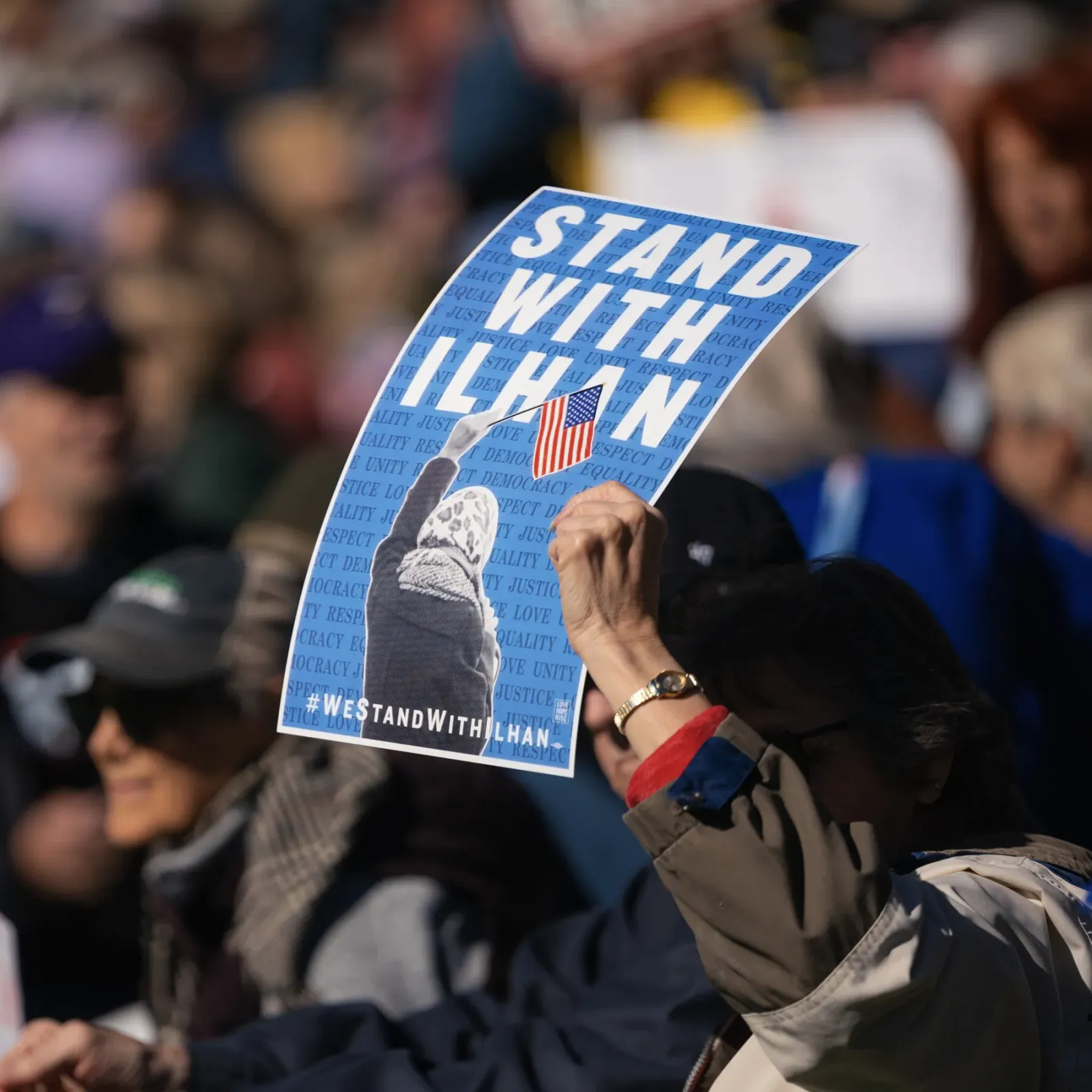
Obama Defends Ilhan Omar After Agents Search Her Home in Trump Inquiry
The former president's intervention raises the stakes in a federal probe into immigration paperwork that has put a prominent progressive lawmaker in the crosshairs.

Blair-era minister: cut welfare to fund youth job support
Alan Milburn's call for welfare cuts to fund employment support opens a Labour fight over benefits and the Neet crisis.
Hot September CPI: energy costs surge, voters feel the squeeze before midterms
The latest inflation print lands as Trump campaigns for GOP control of Congress, putting cost-of-living worries at the center of the midterm fight.