
Iran hits Bahrain and Kuwait with drones and missiles, threatens to freeze US talks
As Kuwait intercepts and Bahrain reports airport-area damage, Tehran warns negotiations end if Washington strikes again.

Iran launched drone and missile attacks on Bahrain and Kuwait after US airstrikes, according to the Saudi Gazette. The attacks included an explicit threat to bring peace talks with Washington to a complete halt if further US military operations continue.
Iran moved fast from retaliation to escalation. On Sunday, Iran launched drone and missile attacks targeting Bahrain and Kuwait after overnight US airstrikes, raising fresh doubts over negotiations aimed at reaching a permanent end to the conflict. Iran also warned it would bring peace talks with Washington to a complete halt if the United States continued military operations.
The details are sharp and immediate. Kuwait said its air defense systems intercepted two Iranian ballistic missiles and several drones targeting the country, with authorities reporting no casualties or damage. In Bahrain, the Interior Ministry said Iranian strikes damaged a residential building near Bahrain International Airport, with no fatalities reported, while Bahrain's Foreign Ministry condemned the attack as a dangerous escalation and accused Tehran of pursuing a pattern of repeated aggression.
If you are an executive watching this, the headline risk is not just geopolitical theater. It is what happens to trade, logistics, and compliance when a major chokepoint becomes unpredictable. The Saudi Gazette notes the attacks unfolded amid growing tensions over navigation through the Strait of Hormuz after a US Navy-backed multinational maritime body announced plans to expand a shipping route near Oman's coast to accommodate two-way traffic. For many businesses, this is the difference between “normal rerouting” and “systemic uncertainty,” because even small changes in routing can ripple through shipping schedules, insurance pricing, port planning, and contract delivery timelines.
The negotiation architecture matters too. The United States and Iran remain engaged in talks under a memorandum of understanding signed earlier this month, providing a 60-day period to finalize a broader peace agreement. That broader agreement is not vague or symbolic. It is framed around sanctions relief, shipping through the Strait of Hormuz, the lifting of the US naval blockade, and Iran's stockpile of highly enriched uranium. In other words, it ties together money, movement, and nuclear material, all in one bundle. When one side pauses talks, the whole package starts to look less like a roadmap and more like a bargaining weapon.
Iran’s stance on shipping is also part of why this is hard to de-escalate. The Saudi Gazette reports Iran rejected any alternative shipping arrangements outside its direct oversight, insisting it alone has authority over the strategic waterway despite international recognition of the strait as an international passage. Iranian Foreign Minister Abbas Araghchi warned during a visit to Baghdad that attempts to establish alternative arrangements would increase regional tensions and delay the full reopening of the Strait of Hormuz. That is a classic leverage move: if shipping rules do not match your terms, you can slow the “full reopening,” which keeps pressure on everyone who depends on the passage.
The US side says it has been responding to direct security threats, not just “rhetoric.” The latest exchange followed US strikes on Iranian military surveillance infrastructure, communications systems, air defense sites, drone storage facilities, and mine-laying capabilities. US Central Command said the operation was conducted after an attack on the Panamanian-flagged oil tanker Kiku in the Strait of Hormuz. Then President Donald Trump, speaking on Truth Social, said US forces had struck Iranian missile and drone storage sites and coastal radar facilities after Iran violated the ceasefire agreement, and warned: “If that happens, the Islamic Republic of Iran will no longer exist!” The mechanics of escalation are the point: the line between “limited strikes” and “broader action” is clearly being argued in public.
Now layer in the second battlefield, because these crises do not travel alone. The Saudi Gazette says violence in southern Lebanon has continued alongside the Gulf tension. Although Israel and the Lebanese government signed a US-backed framework agreement last week aimed at ending their conflict, Hezbollah and Iran are not parties to the agreement. Iran has maintained that any lasting ceasefire must also include an end to Israeli military operations in Lebanon. Overnight, Hezbollah fighters killed an Israeli soldier during clashes in southern Lebanon, according to the Israeli military. For executives, the second-order effect is straightforward: multi-theater conflicts increase the odds that an incident in one region triggers retaliation elsewhere, even when negotiators are trying to keep issues compartmentalized.
Taken together, Sunday’s attacks, the interception reports from Kuwait, and the residential damage report from Bahrain underscore why boards and risk committees should treat this as more than “headline risk.” It is a direct stress test of a live negotiating window that is already tied to shipping through a global energy artery and to sanctions relief. If the negotiations stall, the cost is not just diplomatic. It is volatility across maritime routes, insurance and compliance burdens, and the operational planning horizon for companies that assume the Strait of Hormuz is always navigable on predictable terms. For leadership teams in energy, logistics, defense, and any supply chain exposed to Gulf shipping, the strategic question is simple: how quickly can your planning model pivot when “the 60-day process” gets replaced by “complete halt” threats and kinetic events?
This story's Key Insights and Take-aways are locked.
Create a free account to unlock Executive Actions for one credit.
Register to UnlockAlways free for Executives Club members. Join the Club
More in Politics
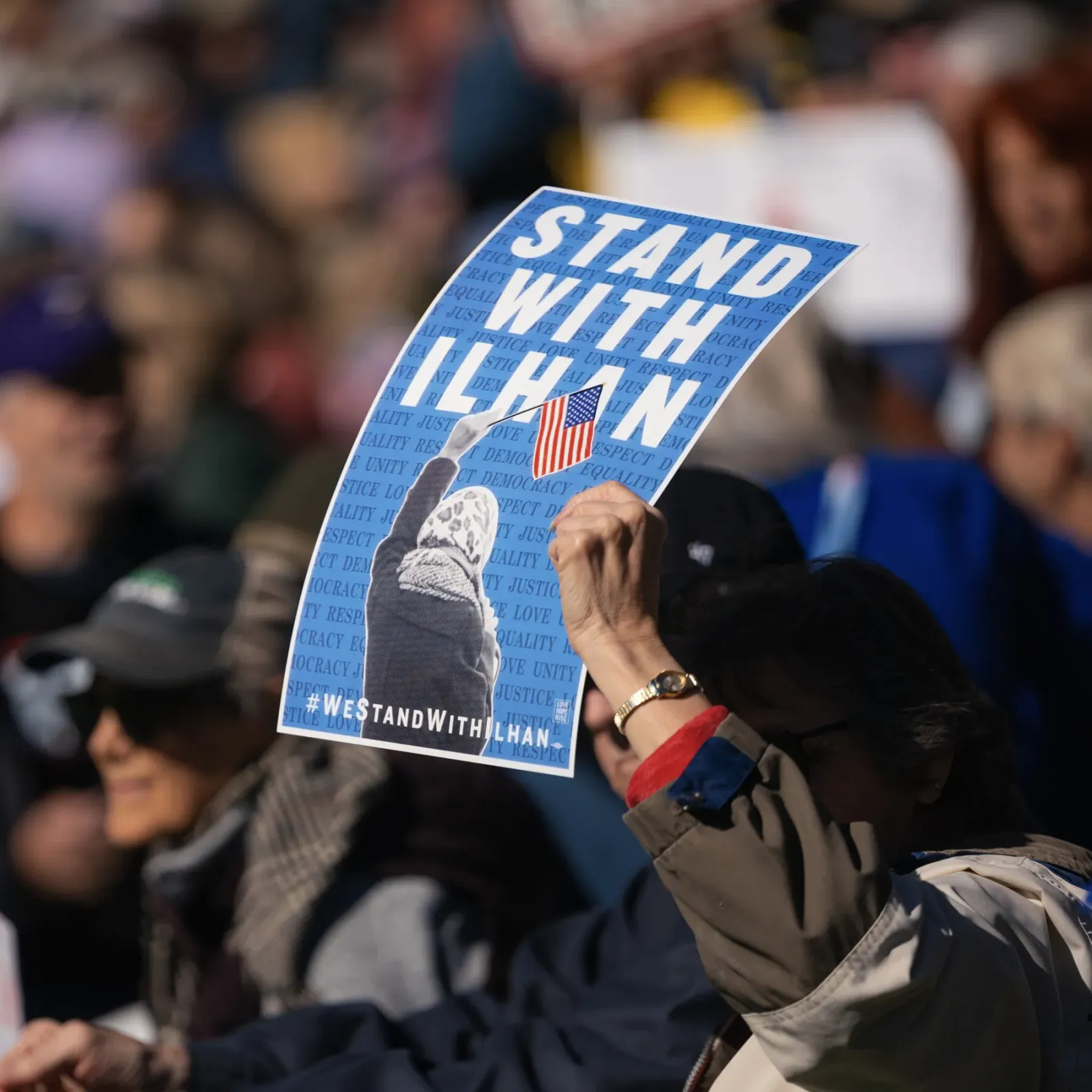
Obama Defends Ilhan Omar After Agents Search Her Home in Trump Inquiry
The former president's intervention raises the stakes in a federal probe into immigration paperwork that has put a prominent progressive lawmaker in the crosshairs.

Blair-era minister: cut welfare to fund youth job support
Alan Milburn's call for welfare cuts to fund employment support opens a Labour fight over benefits and the Neet crisis.
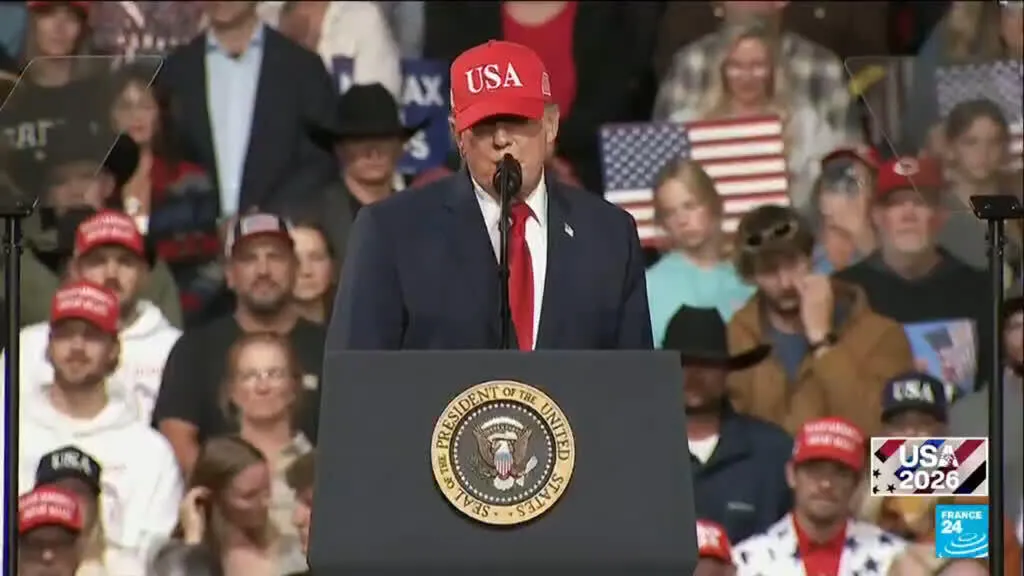
Hot September CPI: energy costs surge, voters feel the squeeze before midterms
The latest inflation print lands as Trump campaigns for GOP control of Congress, putting cost-of-living worries at the center of the midterm fight.