

Iran-Russia aid meets U.S.-Israeli strikes, and Ukraine looks like the fuse
A strike involving an Iranian ship raises the risk that the Ukraine war and the Iran conflict converge.

Iran sent military aid to Russia for its war against Ukraine, and the latest Ukraine strike on an Iranian ship highlights the escalating linkage. For decision-makers, the key consequence is whether these conflicts now merge in practice, not just in headlines.
Iran’s military aid to Russia for its war against Ukraine has always been more than a side plot. It connects two theaters that used to feel separate, and the question has shifted from whether those ties matter, to whether they are now merging with the U.S.-Israeli campaign against Iran. A Ukraine strike on an Iranian ship is the signal that the convergence could be moving from theory to operational reality.
The core issue is simple, and it is also dangerous: when one war’s supply chain is another war’s target set, you do not just “add another conflict.” You create feedback loops. The source frames it this way: “Now the question is whether that conflict and the U.S.-Israeli war against Iran are converging.” That single question should matter to executives far beyond foreign policy because convergence changes how quickly risks propagate through shipping, sanctions enforcement, insurance, and compliance obligations.
Start with the incentives. If Iran is providing military aid to Russia, then shipping lanes and maritime logistics become strategic. Once those same routes and assets are in the crosshairs, any actor involved in financing, moving, insuring, or securing maritime cargo has to assume the conflict’s friction will rise. That is the “second-order” effect people often miss. The immediate event is a strike, but the follow-through is where organizations feel pain: route changes, heightened screening, delays, and higher transaction costs that show up in budgets and cash flow.
Now layer on the second theater, the U.S.-Israeli war against Iran. The source does not need to spell out every operational step for the logic to be clear. When two wars overlap through a shared counterparty, escalation risk is not linear. It can be compounding. If Iranian maritime activity tied to Russia becomes a target category for Ukraine, and Iranian activity tied to Iran-related conflict becomes a target category for the U.S. and Israel, then an Iranian ship is not just moving goods. It is potentially moving between systems of threat perception, each with its own players, rules, and enforcement mechanisms.
From a regulatory perspective, convergence usually means more scrutiny, not less. Maritime sanctions and export controls typically rely on identification, documentation, and enforcement. When conflicts converge, the compliance burden accelerates. Banks, insurers, logistics providers, and corporate counterparties face a familiar problem: even when a particular shipment is “legal” on paper, the risk of being characterized as supporting prohibited activity rises when the underlying military relationship is explicit. The source’s framing, “Iran sent military aid to Russia,” is the kind of detail that regulators and enforcement bodies latch onto because it clarifies intent, not just association.
There is also a governance angle. Boards and executive teams tend to track geopolitics as a macro risk until it shows up in specific processes. A strike on an Iranian ship is the kind of event that can force internal reroutes from strategy decks to day-to-day risk management. Expect pressure to tighten screening thresholds, reassess exposure to sanctioned counterparties, and evaluate whether existing vendor due diligence is sufficient under accelerated enforcement conditions. In practical terms, that means compliance teams will want clearer lineage on ownership, financing, and shipping manifests, while finance teams will want updated scenario impacts on costs and timing.
Finally, consider the strategic stakes for peers in similar roles. The source’s question about convergence is not academic. If the Ukraine conflict and the U.S.-Israeli conflict continue to blend operationally through Iranian support to Russia, executives should assume volatility will spread faster across markets that touch energy, shipping, defense supply chains, and trade finance. The “what if” becomes “how soon,” and the “how soon” becomes “how far into the enterprise it reaches.” If you lead a firm with international counterparties, maritime exposure, or complex financing relationships, the lesson is that the battlefield is no longer confined to geography. It is now also embedded in logistics, compliance systems, and the speed at which governments and insurers respond to new targeting realities.
In short: Iran’s aid to Russia sets the linkage. Ukraine’s strike on an Iranian ship raises the operational question. And if the Ukraine war and the U.S.-Israeli war against Iran are converging, then the next surprises will not just be military. They will be financial, regulatory, and organizational.
This story's Key Insights and Take-aways are locked.
Create a free account to unlock Executive Actions for one credit.
Register to UnlockAlways free for Executives Club members. Join the Club
More in Politics
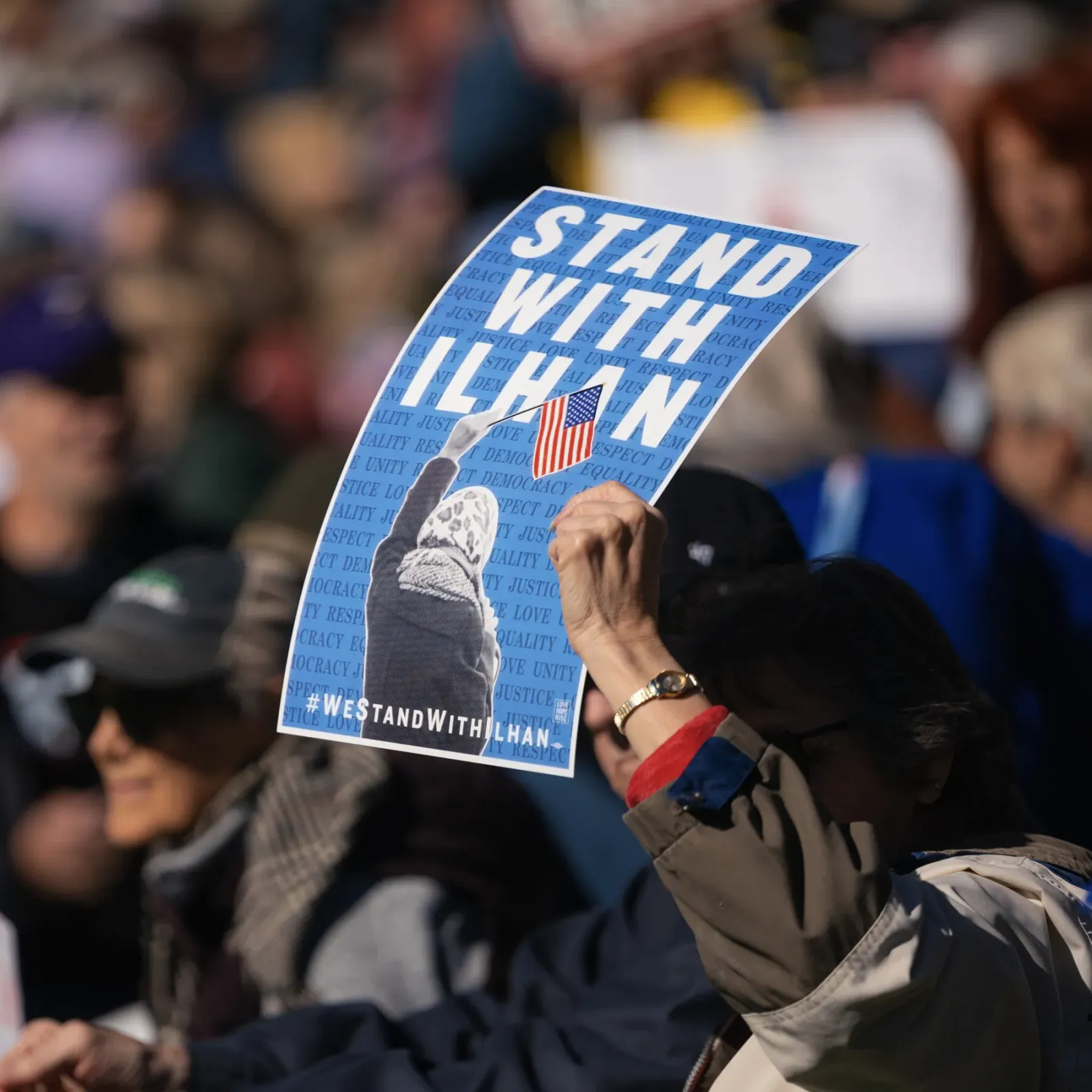
Obama Defends Ilhan Omar After Agents Search Her Home in Trump Inquiry
The former president's intervention raises the stakes in a federal probe into immigration paperwork that has put a prominent progressive lawmaker in the crosshairs.

Blair-era minister: cut welfare to fund youth job support
Alan Milburn's call for welfare cuts to fund employment support opens a Labour fight over benefits and the Neet crisis.
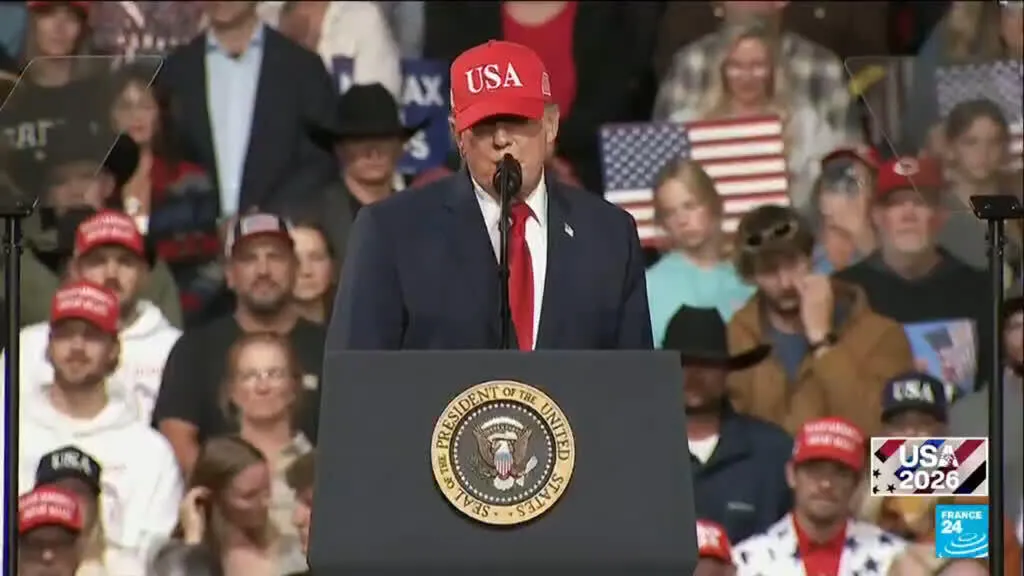
Hot September CPI: energy costs surge, voters feel the squeeze before midterms
The latest inflation print lands as Trump campaigns for GOP control of Congress, putting cost-of-living worries at the center of the midterm fight.