

Israel-Iran rips through both parties, risking November and 2028 fortunes
A foreign-policy fissure inside Democrats and Republicans may decide control of government twice.

Israel and Iran are driving raging internal debates over foreign policy across both major US parties. The consequence is political risk in November and even deeper fallout heading into 2028.
Israel and Iran are dividing Democrats and Republicans so sharply that it is threatening both parties’ fortunes not only in November, but again in 2028. The core story is not a single vote or headline moment. It is the sustained, party-wide identity fight over what foreign policy should mean, and who gets to define it. When a dispute becomes ideological, it stops being about tactics and starts being about loyalty, coalitions, and turnout. And right now, this one is showing up inside both parties, which is why it feels less like normal campaign maneuvering and more like something structural.
For decision-makers trying to read risk in real time, the immediate takeaway is straightforward: these internal debates are not confined to the margins. They are “raging” and they are already positioned to influence election outcomes. The article frames the threat as two-time exposure, first in November and then again in 2028, which matters because political memory compounds. If voters, donors, and activists decide a party has stopped representing them on Israel-Iran questions, that verdict does not expire after a single election cycle. It becomes a filter for candidate selection, fundraising, and messaging for years.
So why does this kind of foreign-policy division carry political consequences that look outsized compared to the issue itself? In US politics, foreign policy can function like a proxy for domestic identity. Candidates inherit views from previous debates, but they also need a coalition that includes skeptical skeptics and highly mobilized true believers. When the Israel-Iran issue splinters the coalition, it forces candidates to either pick a side that alienates part of their base or try to thread a narrow needle that energizes no one. That dynamic can depress turnout among supporters who feel ignored and increase turnout among opponents who feel validated.
The more important second-order effect is internal discipline. Parties are collections of factions with incentives that do not always align. When foreign-policy arguments get heated enough to “divide” both Democrats and Republicans, the fight tends to move from policy substance to party governance. That is where primary politics, endorsement strategy, and donor expectations come in. Even if the dispute never changes the formal platform, it can change who controls the room. That control affects candidate viability, committee priorities, and what gets treated as “serious” or “acceptable” in future debates.
There is also a meta-political incentive loop here that executives in adjacent industries should notice. Election volatility can change the predictability of regulation, especially in areas tied to sanctions, export controls, compliance, and geopolitical risk. Even without new facts beyond the source, it is easy to see the mechanism: when parties disagree deeply over a geopolitical issue like Israel and Iran, the resulting policy uncertainty can spill into government posture. Businesses do not just plan for laws. They plan for enforcement, timelines, and interpretive shifts. More political friction can mean more compliance scrutiny, more lobbying, and more hedging, all of which have cost implications.
Looking toward 2028, the stakes get even more granular. November is a fast, winner-take-all test. 2028 is a long game, where unresolved ideological disputes can harden into recruitment and brand narratives. The source’s framing implies that this division is not a short-lived campaign problem. It is the kind of dispute that can reset expectations about what each party stands for, and that can lock in future coalitions. In other words, the question becomes less “who wins the next race” and more “what does the party build after the race.”
For executives, investors, and board members, the lesson is not to treat foreign policy as distant news. It is to treat ideological splits as a driver of operational uncertainty. When both parties are riven on the same geopolitical issue, you should assume that policy ambiguity, messaging conflict, and factional influence will persist across election cycles. That persistence is exactly what makes November and 2028 both dangerous windows. If the parties never become “the same” again after these debates, the downstream effects will show up in how quickly government moves, how consistently rules are applied, and how predictable the regulatory environment feels for years.
This story's Key Insights and Take-aways are locked.
Create a free account to unlock Executive Actions for one credit.
Register to UnlockAlways free for Executives Club members. Join the Club
More in Politics
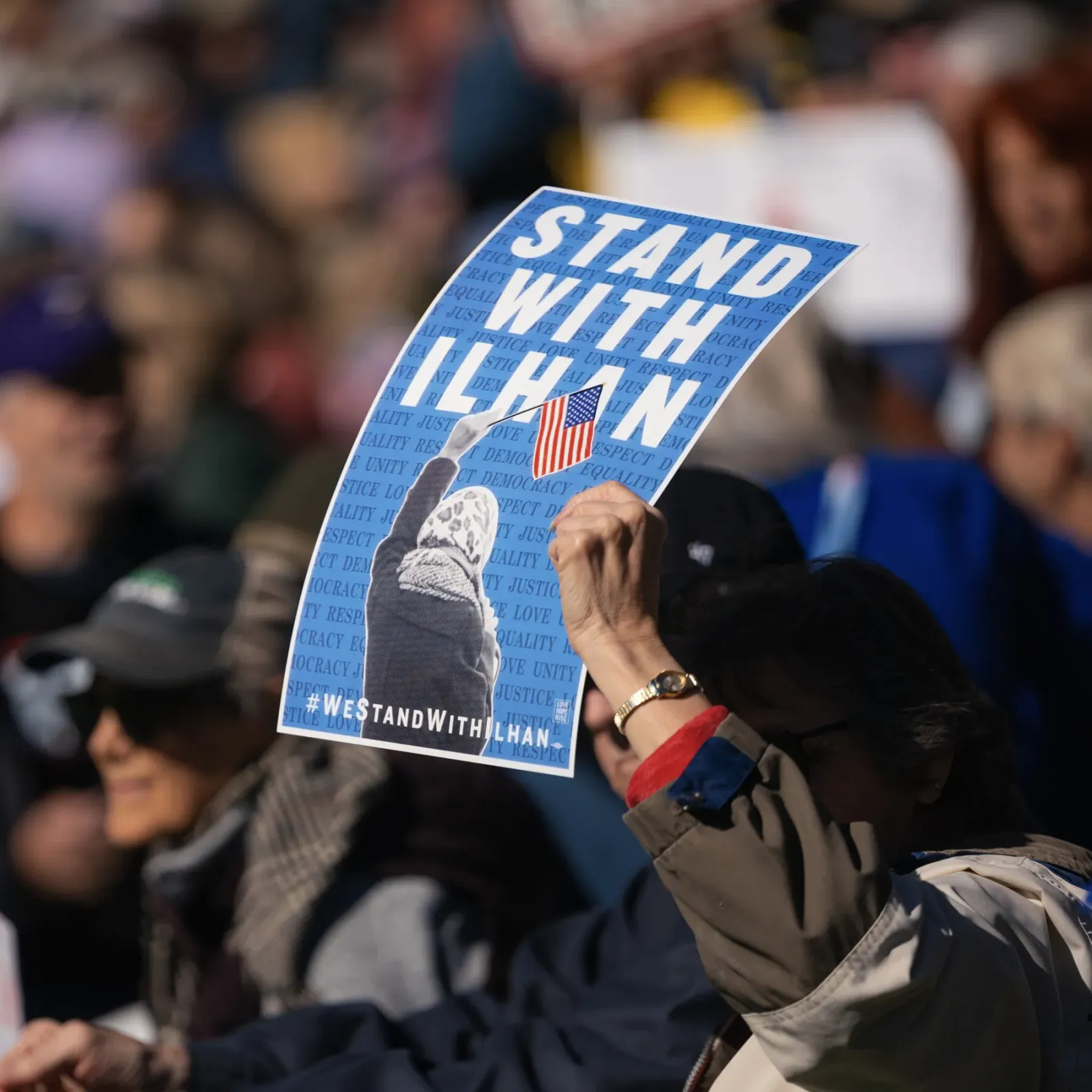
Obama Defends Ilhan Omar After Agents Search Her Home in Trump Inquiry
The former president's intervention raises the stakes in a federal probe into immigration paperwork that has put a prominent progressive lawmaker in the crosshairs.

Blair-era minister: cut welfare to fund youth job support
Alan Milburn's call for welfare cuts to fund employment support opens a Labour fight over benefits and the Neet crisis.
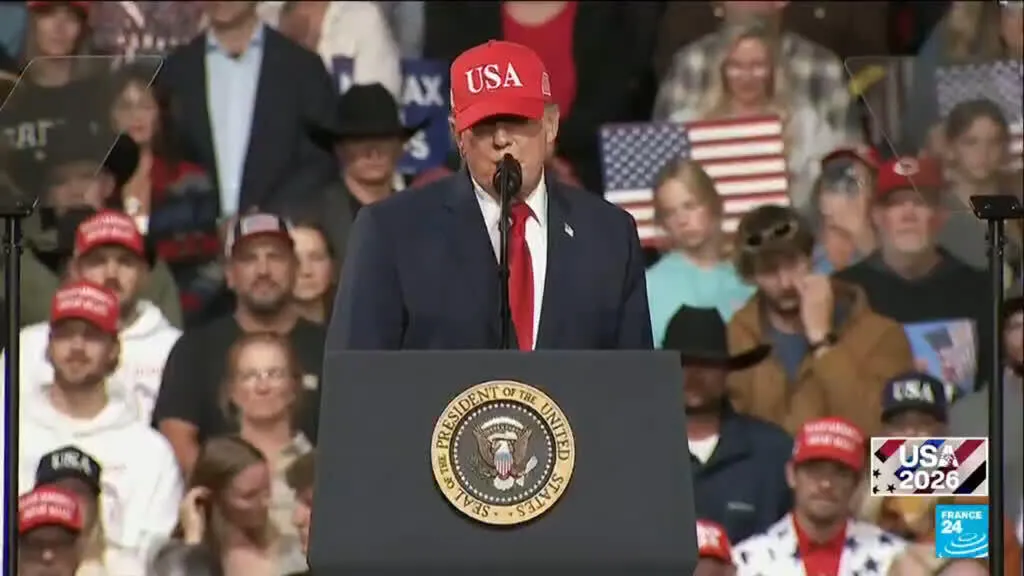
Hot September CPI: energy costs surge, voters feel the squeeze before midterms
The latest inflation print lands as Trump campaigns for GOP control of Congress, putting cost-of-living worries at the center of the midterm fight.