
Israel resumes strikes in Lebanon days after Washington’s framework, Hezbollah calls surrender
A US-brokered deal is already being tested as air raids continue and both sides claim victory.

Israel resumed air strikes in southern Lebanon just days after signing a US-brokered agreement framework in Washington. The immediate consequence is a fast erosion of deal credibility, raising near-term risks for any normalization logic and regional stability assumptions.
Israel resumed air strikes in southern Lebanon on Sunday, only days after the US-brokered framework agreement was signed in Washington meant to end the war. The strikes hit as the ink on the deal was barely dry, with Lebanon's state-run National News Agency reporting attacks the same day and the Lebanese Ministry of Health saying on Sunday that one person was killed in an Israeli attack there, the first death since the deal was signed.
The timeline matters because the framework was signed in Washington on Friday, following five rounds of talks, with two more days immediately after before the first reported fatalities and renewed air activity. Lebanon’s NNA also reported drones flying over Baalbek and warplanes staging what residents described as a mock raid over nearby highlands. In other words, whatever “beginning of the beginning” the US officials described, the security reality on the ground moved faster than the diplomacy could.
Both sides are now treating the same document as proof they “won,” and Hezbollah’s public rejection gives the skepticism immediate political teeth. Hezbollah leader Naim Qassem called the agreement “humiliating” and “a surrender of sovereignty,” and said fighters would not leave the battlefield. Hasan Fadlallah, a Hezbollah member of parliament, said any move by the Lebanese army to enforce the agreement would push Lebanon toward internal conflict, as supporters protested across the capital against the deal. On the Israeli side, far-right national security minister Itamar Ben-Gvir said the deal handed Hezbollah a “lifeline,” dismissed the idea that Lebanon’s army could disarm the group, and said he opposed the agreement in cabinet for weeks while continuing to do so.
This is not just a messaging battle. The text itself appears to leave room for continued Israeli presence, because it does not require Israel to unconditionally withdraw from Lebanon and instead links any pullback to Hezbollah disarmament. That nuance is where ceasefire logic typically breaks: if one party believes withdrawal depends on a condition that the other party rejects, then “ceasefire” can quietly function as “pause with ongoing operations.” Defense Minister Israel Katz said on Saturday that Israeli forces were preparing for an extended stay in the buffer zone and would remain as long as Hezbollah held its weapons.
On the military and operational side, the Israeli strikes were framed as targeted actions near the buffer zone. Israel said its aircraft were targeting Hezbollah members near the buffer zone its troops occupy inside Lebanon. The Israeli military also announced that one of its soldiers was killed in combat in the south, naming him as Captain David Hazutt, 21, a platoon commander in the Golani Brigade, and saying a second soldier was lightly wounded. The Israeli military chief approved continued operations in the zone, saying they were in line with the ceasefire, which reinforces the central question: if operations continue while the ceasefire is in effect, what exactly is “cease” meaning for each side?
Prime Minister Benjamin Netanyahu called the agreement “historic” and “a massive blow to Iran and Hezbollah.” In parallel, the US diplomacy language was cautious but upbeat, with US Secretary of State Marco Rubio describing the agreement as “the beginning of the beginning.” Lebanon’s Prime Minister Nawaf Salam described the agreement as aiming “to achieve Israel’s withdrawal from all Lebanese territories.” Put those together and the gap becomes clearer: Israel and the US are emphasizing damage to Hezbollah and Iran, while Lebanon is emphasizing withdrawal across territories. Meanwhile, Hezbollah is rejecting the deal outright and promising not to comply.
For executives and investors watching risk, this is the kind of “deal is alive until it isn’t” story that can move far beyond diplomacy. The conflict started on March 2, when Hezbollah fired rockets at Israel in response to the killing of Iran’s supreme leader in US-Israeli strikes. Israel then responded with heavy air raids and a ground invasion. According to Lebanon’s Health Ministry, more than 4,200 people have been killed in Lebanon since then. In that context, a short-lived framework that is rejected immediately by the major armed actor is a classic early warning sign for instability: protests erupt, enforcement becomes contested, and both sides can claim the other is breaking terms.
It also creates a second-order problem for anyone pricing regional continuity: even if a document exists, implementation depends on incentives, internal politics, and the practical ability to monitor disarmament. Hezbollah says its fighters will not leave the battlefield. Katz says Israel will stay as long as Hezbollah holds weapons. Qassem calls it surrender. Ben-Gvir calls it a lifeline for Hezbollah. When those premises lock in early, the probability of a smooth transition into compliance drops fast.
Internationally, the diplomatic push is still running, even as strikes resume. Iranian Foreign Minister Abbas Araghchi said on Sunday that Washington should force Israel to stop strikes and pull out of areas it occupies in Lebanon, citing a separate understanding he said was binding on both Israel and the United States. That statement matters because it signals multiple agreements, potentially overlapping, could be invoked in parallel. For decision-makers, the strategic stakes are straightforward: uncertainty around enforcement and withdrawal timing can extend security disruption, complicate planning for energy, logistics, and supply-chain continuity across the region, and increase the chance that future “frameworks” become brief pauses rather than durable outcomes.
The bottom line is that diplomacy and force are moving on different clocks. Israel is operating under a ceasefire interpretation that allows continued action in the buffer zone. Hezbollah is rejecting the framework and warning of internal conflict if enforcement begins. If the deal cannot produce a shared definition of compliance within days, the strategic risk is not abstract. It is immediate, operational, and politically self-reinforcing, and it sets the tone for what comes next in a war that already spans months and thousands of casualties.
This story's Key Insights and Take-aways are locked.
Create a free account to unlock Executive Actions for one credit.
Register to UnlockAlways free for Executives Club members. Join the Club
More in Politics
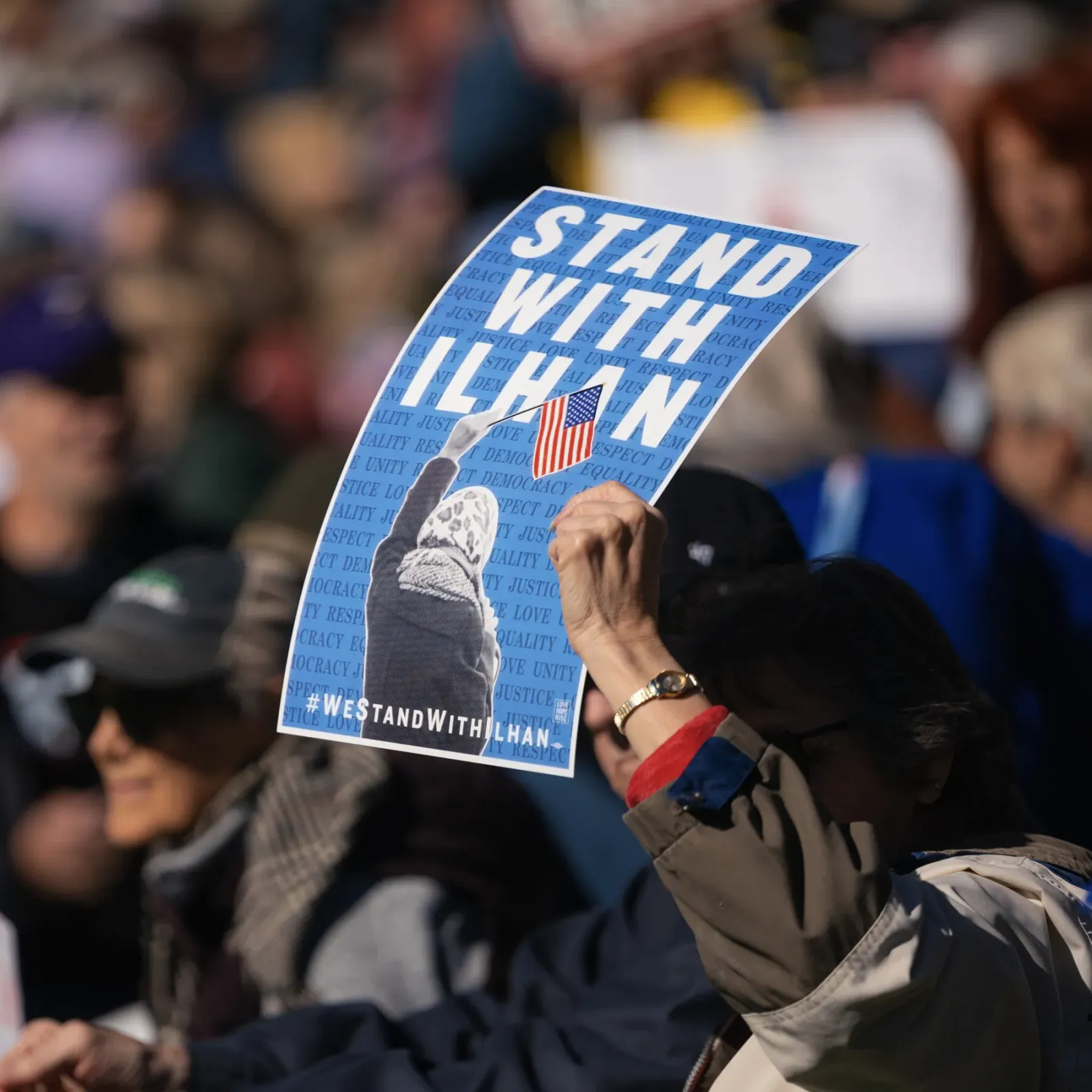
Obama Defends Ilhan Omar After Agents Search Her Home in Trump Inquiry
The former president's intervention raises the stakes in a federal probe into immigration paperwork that has put a prominent progressive lawmaker in the crosshairs.

Blair-era minister: cut welfare to fund youth job support
Alan Milburn's call for welfare cuts to fund employment support opens a Labour fight over benefits and the Neet crisis.
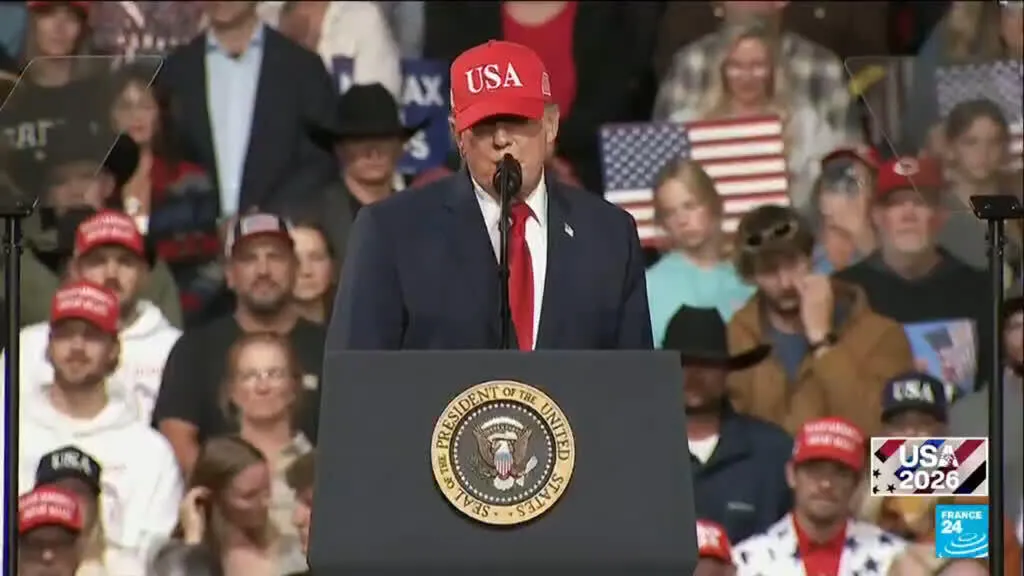
Hot September CPI: energy costs surge, voters feel the squeeze before midterms
The latest inflation print lands as Trump campaigns for GOP control of Congress, putting cost-of-living worries at the center of the midterm fight.