

Istanbul Pride: Turkish police detain at least 50 as march proceeds despite ban
The detentions, including a journalist, underscore how bans can be bypassed and still trigger arrests.
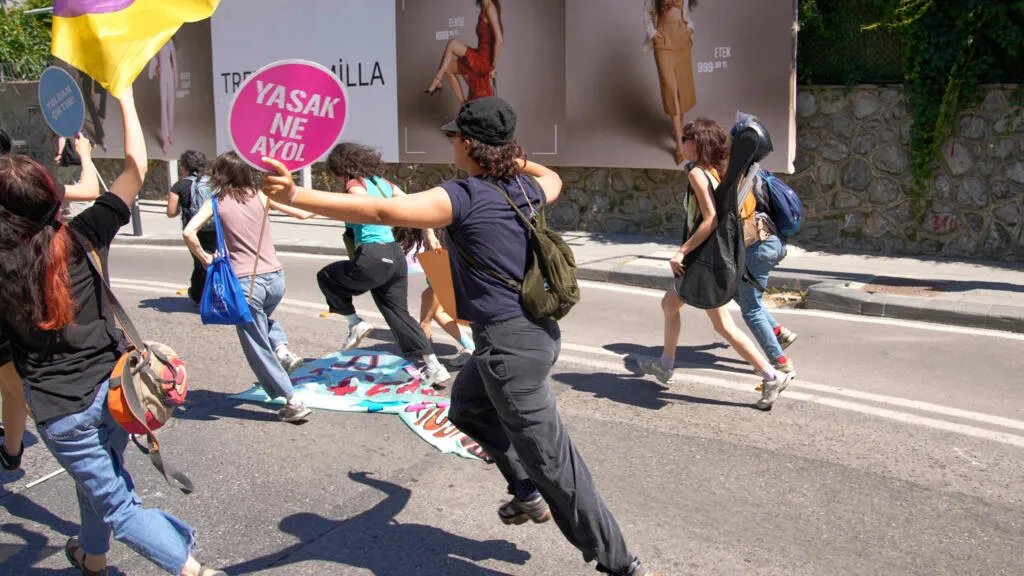
Turkish police detained at least 50 people, including a journalist, during an LGBTQ+ Pride event in Istanbul that went ahead despite a ban by local authorities. For decision-makers, the incident highlights how enforcement can escalate even when legality and public gatherings differ.
Turkish police detained at least 50 people, including a journalist, during an LGBTQ+ Pride event in Istanbul on Sunday. The event went ahead despite a ban issued by local authorities, turning a planned celebration into an immediate policing operation.
This is the part that matters for anyone tracking policy risk and public order dynamics: homosexuality is not illegal in Turkey, yet the annual Pride march has been almost systematically banned and suppressed since 2015. In other words, the legal status of the identity is not the whole story. In practice, local authorities can still block Pride events, and the state can still enforce those decisions aggressively when people show up anyway.
For executives, founders, and investors, this incident is a reminder that “formal legality” and “operational reality” are often separated by layers of permits, local discretion, and enforcement priorities. Even when a government does not criminalize homosexuality, it can restrict public assembly through bans, administrative actions, and policing. That gap can create a predictable pattern: the community organizes, the event faces restrictions, organizers push ahead, and arrests follow.
Turkey’s Pride situation since 2015 has turned into a recurring governance flashpoint. Each year, the same tension plays out: local authorities attempt to stop Pride through bans, while participants and supporters continue to stage events despite those barriers. This Sunday’s detentions during an event that proceeded despite a ban fits that pattern, with police action reaching at least 50 people and including a journalist. The presence of a journalist is especially significant from a business and policy standpoint because it signals that enforcement is not limited to participants. It can extend to the people documenting what happens, which can affect media coverage, information flows, and reputational risk for organizations with local operations.
There is also an institutional incentive at work. Local authorities are trying to control public order, minimize what they frame as disruptions, and prevent events from becoming precedent. Meanwhile, the Pride movement is trying to assert visibility even under restriction. When these incentives collide, the outcome tends to be less about arguing in court and more about what happens on the street, in real time, under police supervision. That is why executives should view Pride restrictions less like a single legal case and more like a recurring regulatory and enforcement rhythm.
The second-order implications extend to anyone with stakeholders tied to LGBTQ+ issues, human rights, or civil society. Organizations that sponsor events, support local partners, or fund journalism can face heightened operational volatility when enforcement escalates. Even if an organization is not organizing Pride itself, the environment can quickly affect staff safety, third-party conduct, travel decisions, and the risk profile of local communications. For boards and leadership teams, it raises a specific governance question: do you have a practical plan for how to respond when local authorities ban an event, participants go forward anyway, and enforcement turns into mass detentions?
Finally, for leaders in similar roles across the region, this incident is a real-time signal. Turkey is showing how restrictions can persist even without an underlying criminalization of homosexuality. When that combination appears, it often means decisions will continue to be shaped by local authority discretion and enforcement strategy rather than by the baseline legality of identity. The strategic stake is straightforward: the gap between what is legal and what is tolerated can narrow access to civic participation, increase unpredictability, and raise reputational and operational risk for anyone operating in or reporting on the area.
This story's Key Insights and Take-aways are locked.
Create a free account to unlock Executive Actions for one credit.
Register to UnlockAlways free for Executives Club members. Join the Club
More in Politics
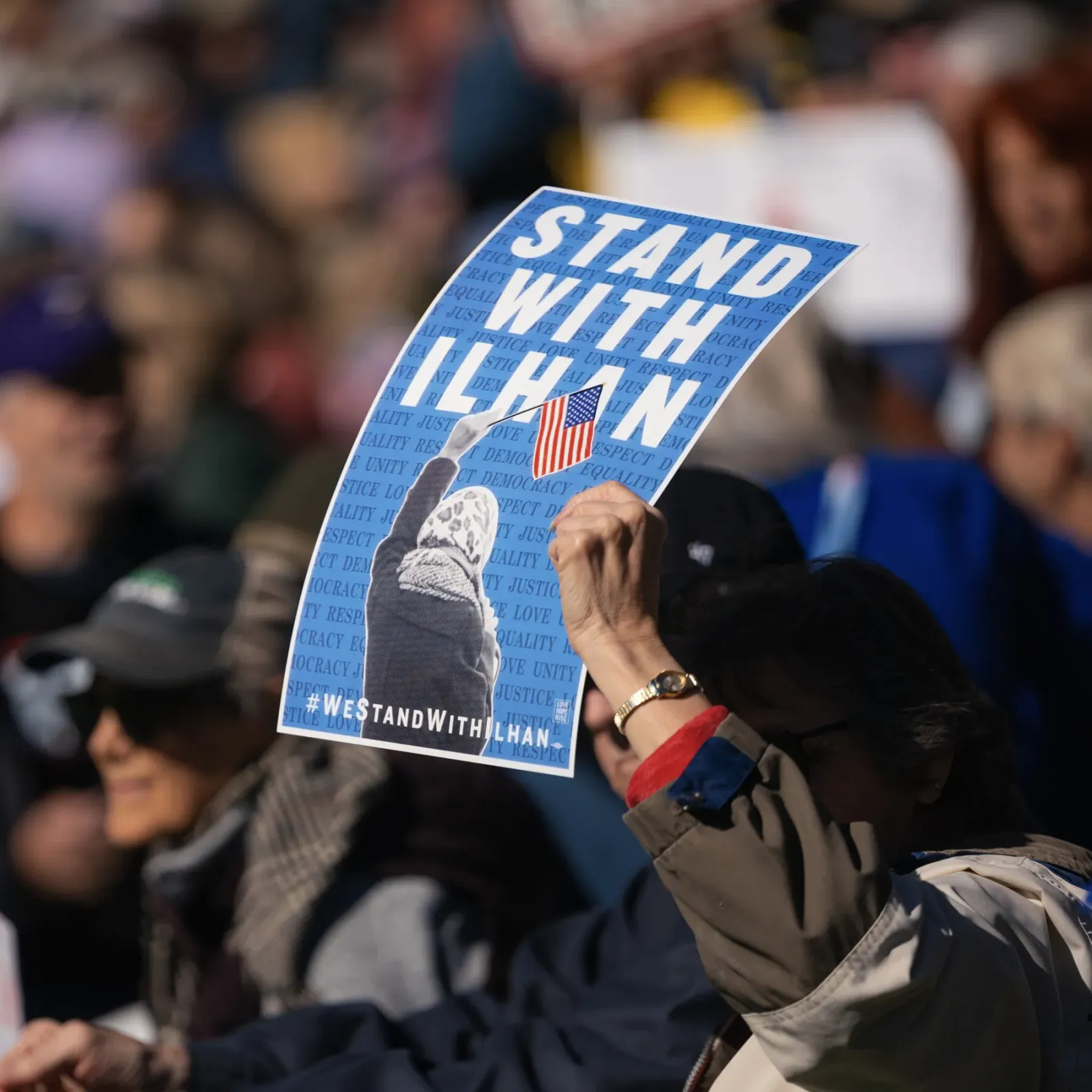
Obama Defends Ilhan Omar After Agents Search Her Home in Trump Inquiry
The former president's intervention raises the stakes in a federal probe into immigration paperwork that has put a prominent progressive lawmaker in the crosshairs.

Blair-era minister: cut welfare to fund youth job support
Alan Milburn's call for welfare cuts to fund employment support opens a Labour fight over benefits and the Neet crisis.

Hot September CPI: energy costs surge, voters feel the squeeze before midterms
The latest inflation print lands as Trump campaigns for GOP control of Congress, putting cost-of-living worries at the center of the midterm fight.