

Jay-Z turns Yankee Stadium Night One into Reasonable Doubt redux, with Beyoncé and Nas joining
A full setlist moment for fans, plus a reminder that culture still moves brands, ticketing, and media attention.

Jay-Z kicked off his long-awaited three-night run at Yankee Stadium Friday, July 11, presenting the first night as a “Reasonable Doubt evening” with major guest appearances. For decision-makers, it is a case study in how mainstream visibility, celebrity stacking, and live music storytelling can amplify brand value and audience capture in real time.
On Friday (July 11), Jay-Z delivered the first night of his long-awaited three-night run at Yankee Stadium, and the theme was not subtle: billed as the “Reasonable Doubt evening” for his day-one fans, he reimagined his landmark 1996 debut alongside a live band. The first-order result was immediate in the way live shows often are when the concept is tight. Fans got classics reworked into newer sequences, including Jay’s seamless weaving of “Ain't No N-a” into “Excuse Me Miss.” Then, he made it a family moment, with Beyoncé joining to sing the hook on “Can't Knock the Hustle,” and their eldest daughter, Blue Ivy Carter, taking to the piano for “Feelin' It.”
That is the exact trade Jay struck on Night One: nostalgia and credibility first, spectacle second. When he shifted into a more defiant gear, Jay stunned fans with a sharp new freestyle aimed at critics of his recent Target deal. For executives watching how culture turns into momentum, this is the signal: the show was not only entertainment, it was messaging. It connected legacy hits to current-day brand and business positioning in the same evening, using music as the delivery system.
From a business lens, the guest strategy mattered as much as the songcraft. Beyoncé’s presence plus Blue Ivy’s piano spot created multiple audience entry points, spanning mainstream pop reach and long-term fan loyalty. That kind of layered casting does something that is hard to replicate with ads: it gives different segments a reason to attend, share, and talk. Meanwhile, the lineup still anchored itself in hip-hop lineage. Leaning into nostalgia, Jay reunited with Memphis Bleek for “Coming of Age” and Jaz-O for “Bring It On,” reinforcing continuity with the people who shaped the sound.
Then the night expanded from “day-one fans” to “anyone with a pulse.” Jay continued the surprises when former rival Nas joined for a mash-up of “Dead Presidents” and “New York State of Mind.” And Alicia Keys capped one of Night One’s biggest moments with “Empire State of Mind,” their Billboard Hot 100 No. 1 hit. Taken together, these collaborations do not just make the crowd scream. They also demonstrate how live performance becomes a convergence zone for media attention, cross-genre recognition, and legacy catalog monetization. When a setlist includes both historical re-interpretation and widely recognized anthems, you extend the lifespan of the content beyond the room.
The broader attendance list turned the show into a live snapshot of celebrity and sports power. Among the tens of thousands in attendance were LeBron James, Megan Thee Stallion, Tobey Maguire, Leonardo DiCaprio, DJ Khaled, Swizz Beatz, Knicks star OG Anunoby, and more. This matters because high-visibility events tend to pull in stakeholders who influence attention ecosystems, from social distribution to mainstream headlines. In other words: even if you are not in music, the live stage is still where audiences and reputations are made and measured.
Second-order implications for boards and leadership teams are worth underlining. First, Jay’s Tonight One structure shows how narrative themes can reduce the risk of a “great but random” show. By framing Night One as Reasonable Doubt, he created an organizing principle that made guest appearances feel earned rather than plugged in. Second, the inclusion of a freestyle aimed at critics of his recent Target deal highlights how executives in consumer-facing markets should expect public brand conversations to show up in cultural products quickly. When consumer partnerships become talking points, the audience is trained to read symbolism, not just lyrics. Third, the setlist itself is a reminder that star power is not only about names. It is about timing, fit, and sequencing.
With two more nights to go, the stakes are obvious for anyone trying to translate entertainment into durable value. The remaining run gives Jay-Z room to escalate themes and deepen callbacks, and it also gives brands, venues, and media partners a chance to keep harvesting attention across additional days. For executives in adjacent industries, the lesson is simple but not easy: if you want the market to pay attention, you have to deliver a story that feels inevitable once you see it. Jay’s Night One did that, with credibility, family, rivalry echoes, and a clear business subtext all stacked into one Yankee Stadium night.
This story's Key Insights and Take-aways are locked.
Create a free account to unlock Executive Actions for one credit.
Register to UnlockAlways free for Executives Club members. Join the Club
More in Entertainment
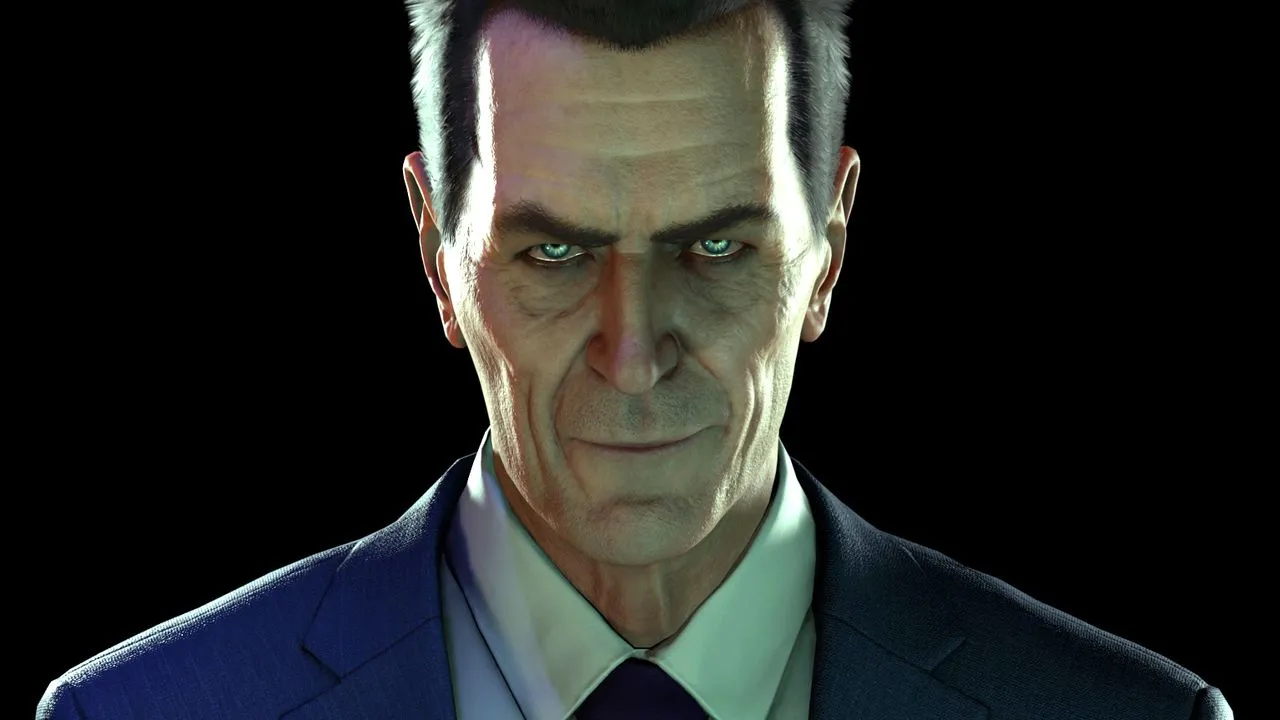
12TB Steam 'teraleak' goes beyond Valve: GTA 3, Mafia 2 prototypes exposed
A 12-terabyte dump of Steam data reveals prototypes and builds of third-party classics like GTA 3 and Mafia 2, plus unreleased Valve content, rewriting game history.

LinkedIn's romance problem: 1 in 4 workers say dating on it is fair game
A new survey shows a quarter of U.S. employees treat the professional network as fair game for romance, even as LinkedIn bans it and removes hundreds of thousands of offending posts.
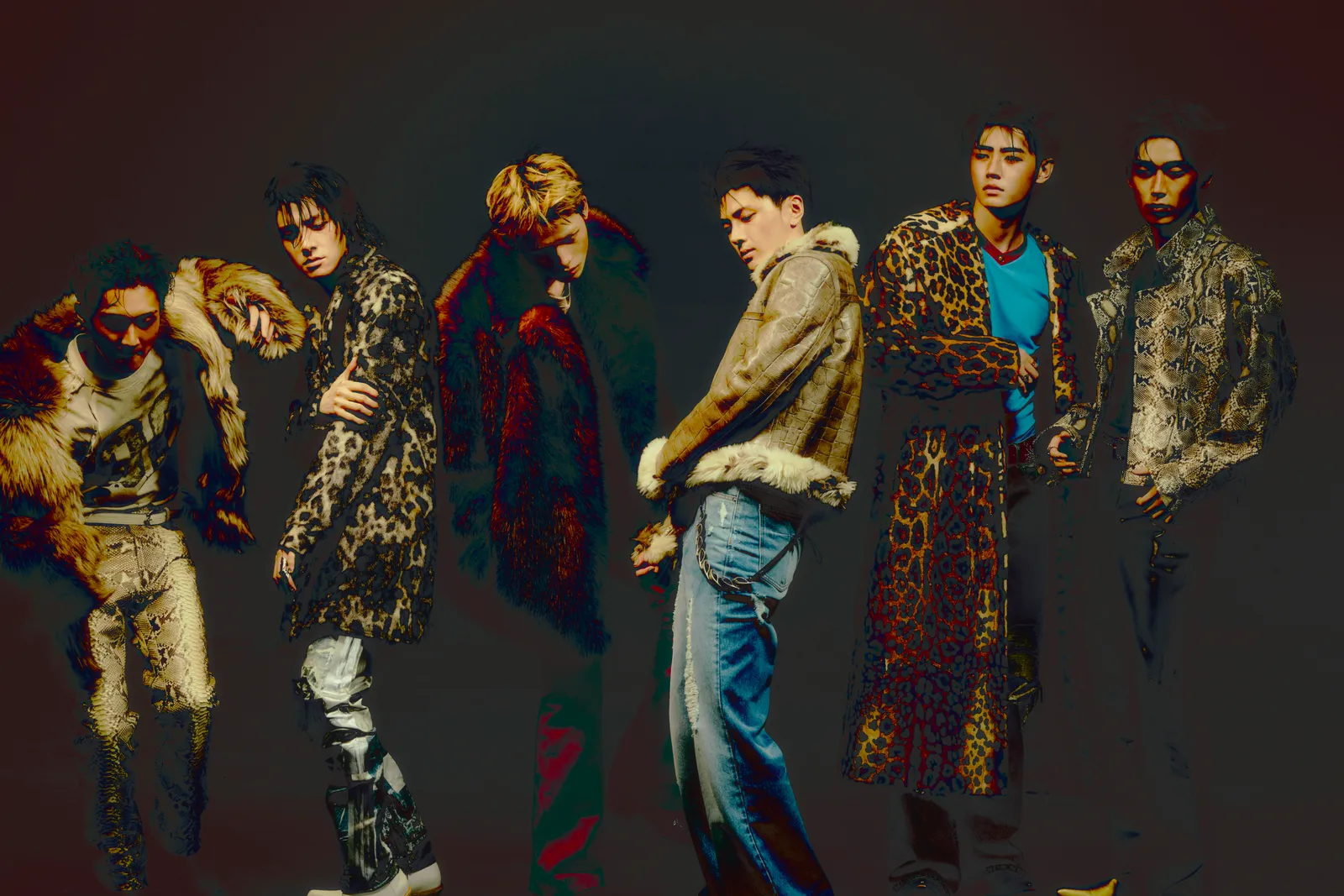
Enhypen's first No. 1 album breaks K-pop's Billboard 200 streak
The K-pop group's 98,000-unit debut tops the chart while Dolly Parton's catalog reentry shows how death reshapes streaming.