

Jim Ross flew an F-18 over Washington for Freedom 250. Here’s what NASA wanted seen
The NASA Armstrong photo lead captured a rare bird's-eye record of missions that rarely reach the public.
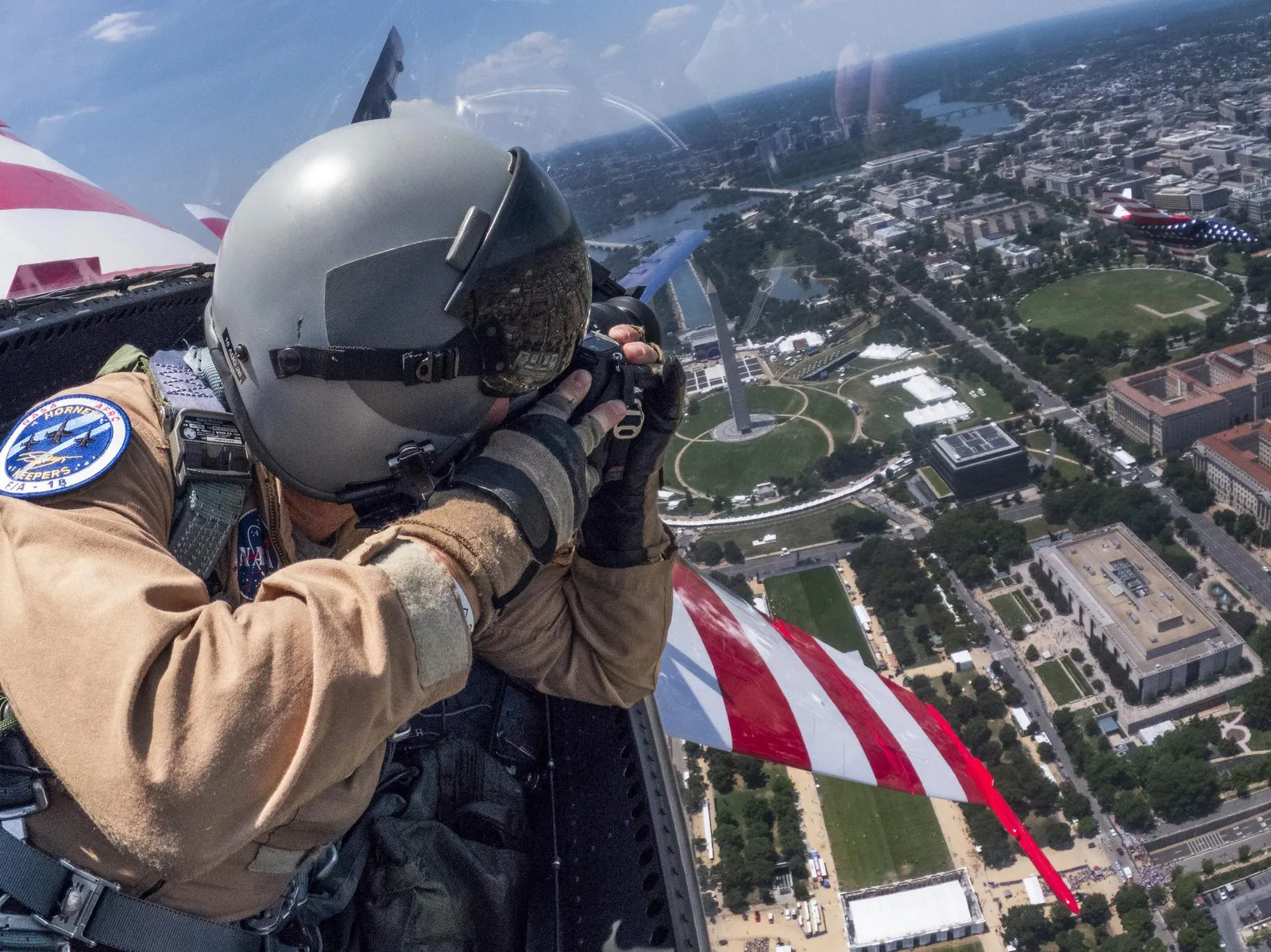
Jim Ross, a photographer and photo lead at NASA’s Armstrong Flight Research Center in Edwards, California, documented a Freedom 250 flyover in an F-18 over Washington, including the National Mall. For decision-makers, the images are a reminder that mission visibility, stakeholder trust, and public narrative are operational tools, not afterthoughts.
Jim Ross flew an F-18 over Washington on Saturday, July 4, 2026, and NASA used that vantage point to document the Freedom 250 flyover commemorating America’s 250th birthday. Ross is a photographer at NASA’s Armstrong Flight Research Center in Edwards, California, and he also serves as the photo lead, a role he has held since 1997. The aircraft he rode in was one of the NASA planes participating in the flyover, and it joined other NASA aircraft for the celebration over Washington.
If you are looking for the “why” behind a photo from the sky, here it is: NASA flight photographers capture history from a perspective few ever experience, giving the public a front-row seat to missions and research happening behind the scenes. In Ross’s case, the work goes beyond a single holiday moment. The images are meant to document key NASA research and exhilarating milestones that connect the agency’s past to the present, from early SR-71 flights to major delivery moments like the delivery flight of Space Shuttle Endeavour to Los Angeles, and to first flights like NASA’s X-59 quiet supersonic research aircraft. Ross’s own career arc reinforces the theme. He started in 1989 at NASA Armstrong (then Dryden) and has kept documenting flight milestones for almost 37 years.
That all sounds like storytelling, until you remember what NASA actually runs on: complex, expensive systems that need sustained public and political support. In the commercial world, companies talk about “brand,” but in government aerospace it is more like a trust budget. The public has to feel that the work is real, current, and consequential. When NASA publishes rare perspectives from aircraft cockpits and rear seats, it is doing more than aesthetics. It is translating technical flight operations into something legible for non-specialists, which matters when missions depend on long timelines and long memory.
Ross’s Freedom 250 work also highlights how carefully NASA curates visibility across multiple aircraft and stakeholders. On Thursday, July 2, 2026, Ross took a selfie from the rear seat of a NASA F/A-18 during a cross-country flight from Spokane, Washington, to Washington, D.C. The NASA F-15 that flew alongside the aircraft was visible through the window, and both aircraft were from NASA’s Armstrong Flight Research Center in Edwards, California. Then on Saturday, July 4, 2026, both aircraft participated in the Freedom 250 flyover with other NASA and military aircraft. Even the framing of the photos reinforces how NASA thinks about coordination. Multiple assets are in play, multiple institutions are involved, and a single flight day becomes a cross-agency, cross-platform narrative you can actually see.
There is also a “process” element that executives should notice. Ross does not just fly and snap pictures. His job is to document the flight in ways that preserve context, sequence, and mission intent. He has been photo lead since 1997, which means he is part of an institutional memory machine. In regulated industries like aerospace, that kind of documentation can be more than archival. It becomes part of how programs communicate progress, how partners understand what happened, and how the agency maintains continuity of knowledge. When you operate with strict safety requirements and complex test protocols, the difference between a good story and a misleading one can be reputational.
And yes, NASA still publishes the practical artifacts. NASA points readers to Ross’s images from the flyover through a gallery page: https://www.nasa.gov/gallery/freedom-250/. This matters because it closes the loop between “we did a thing” and “here is the evidence, in viewable form.” In board terms, that is governance by visibility. You are not asking stakeholders to take it on faith; you are giving them a record they can explore.
For peers managing communications, program momentum, or public-facing innovation, Ross’s work offers a grounded lesson: mission visibility is a capability. It requires people who understand flight operations and can capture them in a way that respects the public’s attention. The stakes are not abstract. When NASA flight photographers document milestones like SR-71 flights, the Space Shuttle Endeavour delivery to Los Angeles, and first flights of the X-59 quiet supersonic research aircraft, the agency is actively connecting investment, engineering, and outcomes. Ross put it in plain human terms too, saying he grew up in Bozeman, Montana, when it was considered a small town, and that a kid who hears about flying in an F-18 over the National Mall would never believe it. He also said, “I love documenting history, and having the opportunity to capture flights and launches has kept me doing it for almost 37 years.”
That is the strategic payoff for decision-makers watching from the ground: when you want support for ambitious flight research, you need more than milestones. You need proof you can share, a perspective people can access, and a narrative that makes behind-the-scenes work feel close. NASA’s Freedom 250 flyover gave Jim Ross the sky. The agency gave the public the view.
This story's Key Insights and Take-aways are locked.
Create a free account to unlock Executive Actions for one credit.
Register to UnlockAlways free for Executives Club members. Join the Club
More in Science

University of Glasgow team links Tibetan Plateau summit shape to deep Earth forces
The science matters because it sharpens how we model landscape evolution, hazards, and the planet’s hidden mechanics.

China went from space neophyte to US’s solar-system rival
The space race is no longer a two-player contest. Here is what China’s rise signals for global strategy, budgets, and urgency.
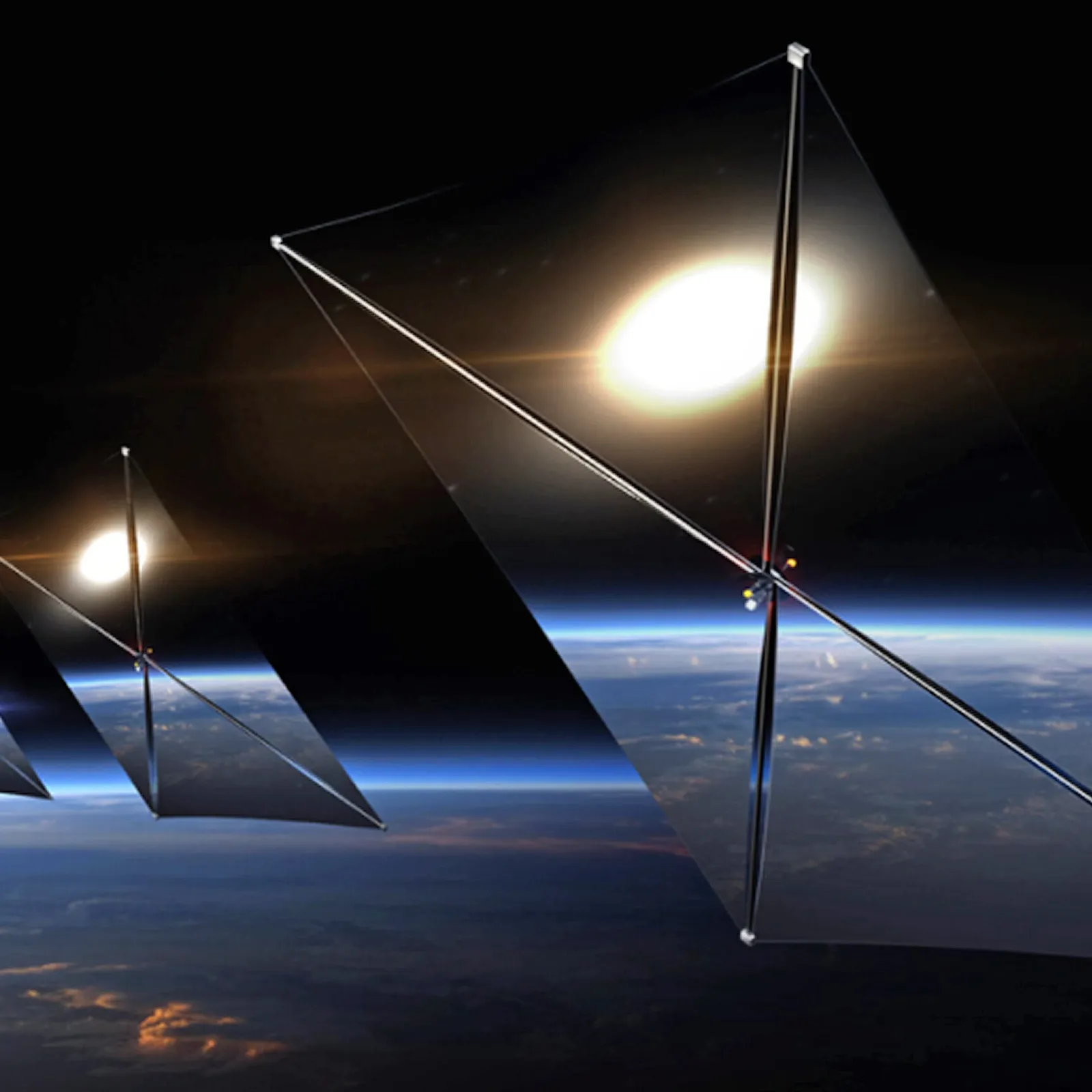
FCC okays Space Mirror test that turns night to day
Despite outcry, the FCC authorizes a start-up to bounce solar rays onto Earth’s dark side.