

FCC okays Space Mirror test that turns night to day
Despite outcry, the FCC authorizes a start-up to bounce solar rays onto Earth’s dark side.
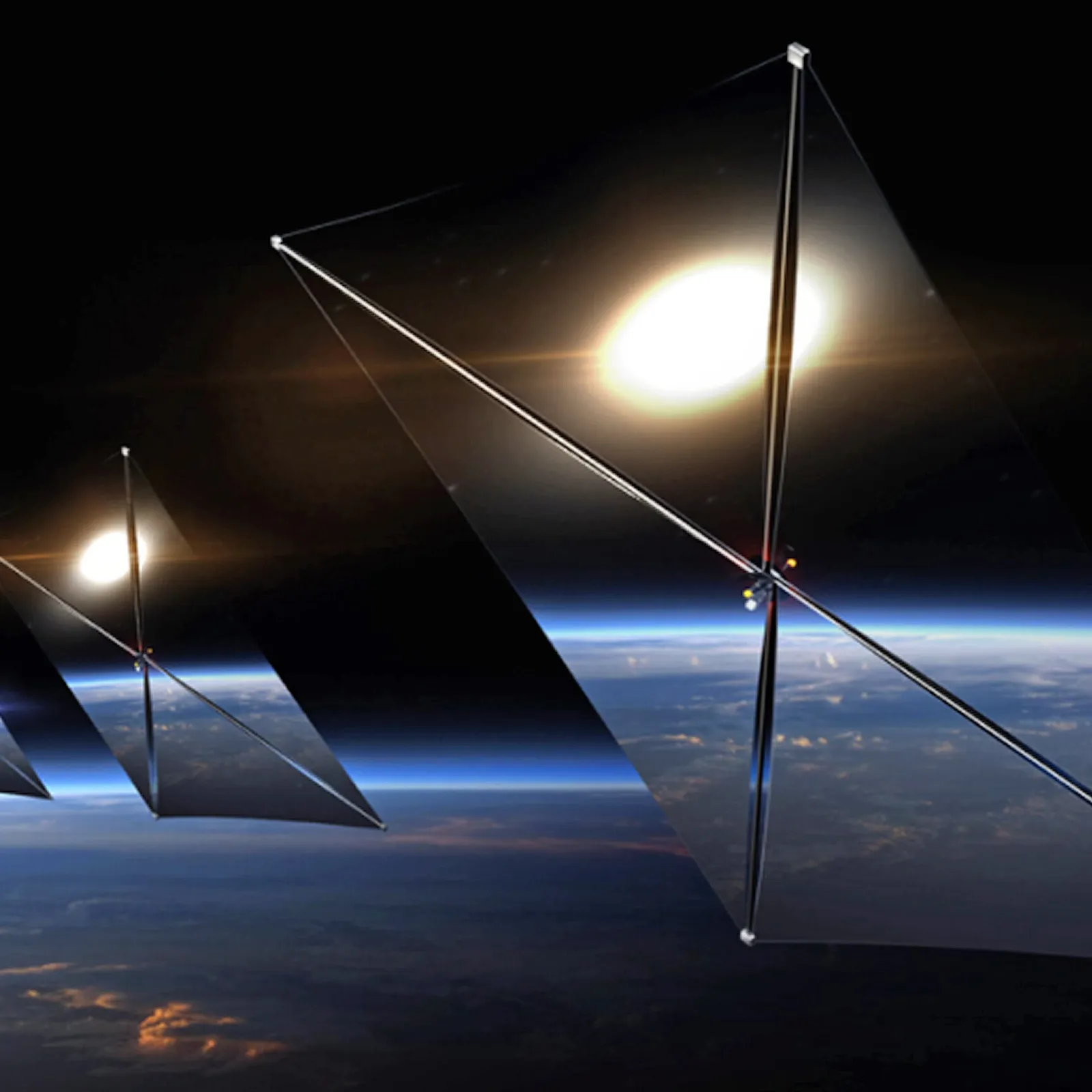
The FCC approved a start-up’s test of a “space mirror” plan designed to bounce solar rays onto the dark side of Earth. For decision-makers, it signals how quickly regulators may greenlight high-visibility experiments even amid public opposition.
The FCC has approved a test of a “space mirror” concept that aims to turn night into day for a small slice of Earth. The plan is to bounce solar rays onto the dark side of the planet, creating a three-mile-wide patch of daylight, according to the report.
This is the kind of approval that makes regulators, boards, and operators pay attention because it is both technical and intensely visible. It is not a lab simulation or a quiet, incremental tweak. The intention is to alter real conditions on the ground, turning the absence of sunlight into a targeted glow.
From a policy perspective, the FCC is an unusual actor for a solar illumination experiment, which is exactly why this matters. In practice, agencies often slice regulatory responsibility by the type of effect created, the location of the activity, and the potential for interference or safety risks rather than by the “industry label” on a pitch deck. A start-up asking permission to use space-based assets usually triggers questions that can range from operational safety to how transmissions or signals might interact with existing systems. Even when the core story sounds like “mirrors in space,” regulators still have to evaluate how the test fits inside existing rules and what it could impact beyond the test boundary.
Meanwhile, the business incentives are obvious. Start-ups that propose ambitious, science-forward demonstrations often need one thing more than patents or prototypes: permission to execute. Getting authorization can turn a concept into evidence. Evidence is how you attract the next round of funding, move from “promising” to “measurable,” and convince partners that the plan works beyond slides. A three-mile-wide patch might sound small, but in the world of experimental technology, proving that the system can produce the intended effect is the whole game.
There is also the public outcry angle. The report notes that the FCC approved the test “despite outcry,” which tells you something about the regulatory process: approval can proceed even when stakeholders are uncomfortable, concerned, or actively opposed. That dynamic is important for boards because it forces a real question. When a company runs a high-profile test, it can face reputational risk at the same time it seeks regulatory clarity. In other words, compliance does not automatically mean consensus.
For executives overseeing similar ventures, this approval suggests the path from concept to demonstration can be faster than critics expect, at least when regulators believe the test can be managed within existing frameworks. It also hints at a broader pattern across emerging tech: governments may be willing to authorize limited trials as long as the scope is contained and the applicant can demonstrate control, safety, and accountability.
Second-order implications extend beyond space and light. If a space-based illumination concept can receive FCC permission, other companies proposing disruptive experiments will read the tea leaves. The market could interpret the decision as a signal that experimental demonstrations, even contested ones, can clear procedural hurdles. That may accelerate competition for attention and capital, since investors often want “regulatory momentum” as much as technical breakthroughs. It can also raise expectations for how future tests will be conducted, because each new precedent becomes the reference point for the next request.
And there is the strategic stake for anyone in infrastructure-adjacent industries. The ability to affect the real world at night, even temporarily and in a limited area, connects to big themes like energy capture, controlled lighting, space-enabled services, and the commercialization of space assets. Today’s three-mile patch might be a demo. Tomorrow’s version could be tied to markets that value reliability, geographic control, or new ways to deliver services where conventional infrastructure is costly or slow to deploy. Even if the current test is narrow, the permission itself is a lever. It moves the conversation from “maybe someday” to “we got approval and now we can measure outcomes.”
This story's Key Insights and Take-aways are locked.
Create a free account to unlock Executive Actions for one credit.
Register to UnlockAlways free for Executives Club members. Join the Club
More in Science

China went from space novice to US’s main rival for solar-system supremacy
A once-latecomer is now positioned to challenge the United States across the solar system, reshaping the competitive game.

Uragasaurus kalasinensis, Thailand dinosaur, had a neck as long as a cricket pitch
A newly described plant-eater from 150 million years ago adds a fresh data point to dinosaur body-plan diversity.

SDSS J110546.07+145202.4 brightened 20x in radio, showing a Big Bang-like black hole
A nearby galaxy’s supermassive black hole is feeding at rates only seen in the early universe, and it keeps going.