

China went from space novice to US’s main rival for solar-system supremacy
A once-latecomer is now positioned to challenge the United States across the solar system, reshaping the competitive game.

China, described as a space neophyte not long ago, has emerged as the United States' main competitor for supremacy across the solar system. For decision-makers, that shift changes how boards and funders think about strategy, capability buildout, and long-term risk.
China is no longer treated like a late entrant in space. The New York Times frames the country as a “space neophyte” not long ago that has since become the United States' main competitor for supremacy throughout the solar system.
That simple reversal is the whole story, and it matters because it changes the assumption underlying nearly every space strategy discussion. If China is truly the leading rival for solar-system dominance, then “wait and see” stops being a neutral posture. It becomes an investment thesis with consequences: you are choosing how much capability you build, how fast you do it, and how much uncertainty you are willing to accept when the competitor is already acting like the endgame is the same for everyone.
To understand why, zoom out one layer to how the space “race” works in practice. Space competition is not only about heroic engineering. It is also about industrial capacity, manufacturing scale, supply chain resilience, launch cadence, and the ability to turn missions into repeatable competence. When a country moves from novice to primary competitor, it signals more than a single win. It signals that the system producing rockets, spacecraft, and mission know-how is compounding. That compounding effect is exactly what forces others to adjust timelines, not just ambitions.
There is also the regulatory and governance dimension. Space activity sits at the intersection of national security, commercial licensing, export controls, and international norms. When the competitive center of gravity shifts, governments and regulators do not just react to new hardware. They also reassess risk frameworks: what gets prioritized, what gets delayed, and which partners are considered acceptable. For executives, that means regulatory uncertainty can become a strategic variable. The competitor advantage is not only “who launches first,” but also “who can keep launching under the rules of the road.”
For US decision-makers and boards, the news reads like a re-ranking. If China is now the main competitor for supremacy across the solar system, then internal roadmaps that assume a slower or more constrained competitor need revisiting. The key is not panic. It is clarity: define what “supremacy throughout the solar system” means operationally for your organization, then stress-test your plan against the reality that the leading rival is actively closing distance.
For investors and partners in the broader space ecosystem, the second-order implication is that capital may reallocate toward capabilities that directly affect competitiveness. In a world where the primary competitor is already positioned, funders tend to reward projects that shorten time-to-iteration and reduce unit costs, because those are the levers that convert technical progress into persistent advantage. Boards should expect more scrutiny on whether programs can scale, not just whether they can succeed once.
Finally, there is the organizational psychology of a race. When the main competitor changes, every incentive system inside an enterprise can be affected: procurement timelines, contractor selection, hiring priorities, and risk tolerance. The strategic stakes are personal for any executive whose job depends on being early enough to matter but disciplined enough not to waste capital. If the United States is no longer competing mainly with a distant ideal and instead with a specific near-term rival, then the competitive clock is already ticking. The transition from “space neophyte” to “main competitor” is a signal that space supremacy is not a slow storyline. It is accelerating into a test of execution.
This story's Key Insights and Take-aways are locked.
Create a free account to unlock Executive Actions for one credit.
Register to UnlockAlways free for Executives Club members. Join the Club
More in Science
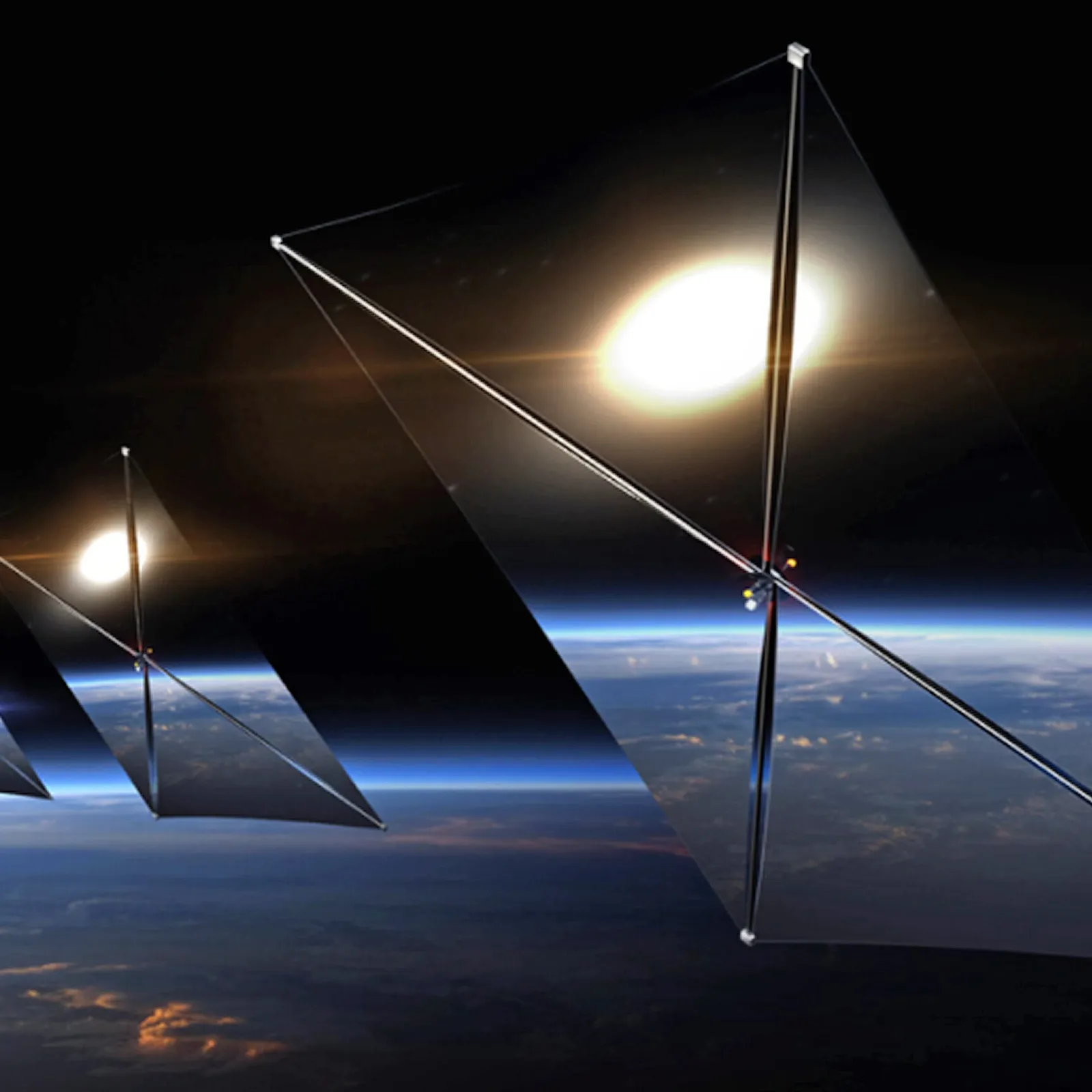
FCC okays Space Mirror test that turns night to day
Despite outcry, the FCC authorizes a start-up to bounce solar rays onto Earth’s dark side.
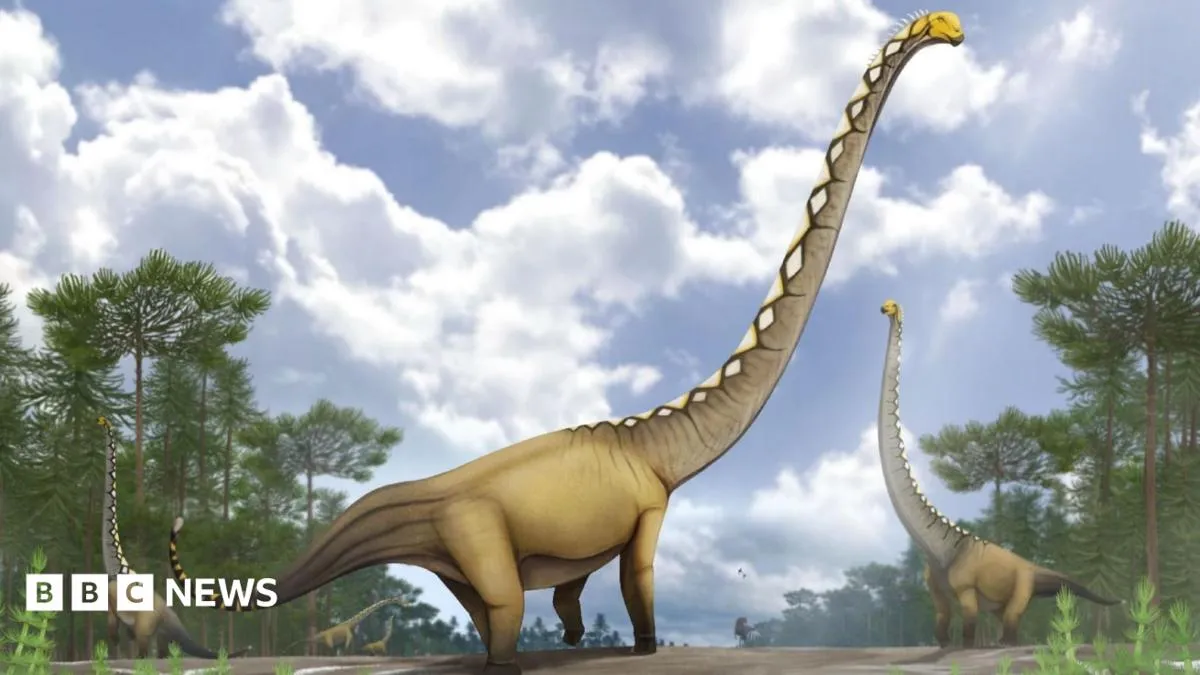
Uragasaurus kalasinensis, Thailand dinosaur, had a neck as long as a cricket pitch
A newly described plant-eater from 150 million years ago adds a fresh data point to dinosaur body-plan diversity.
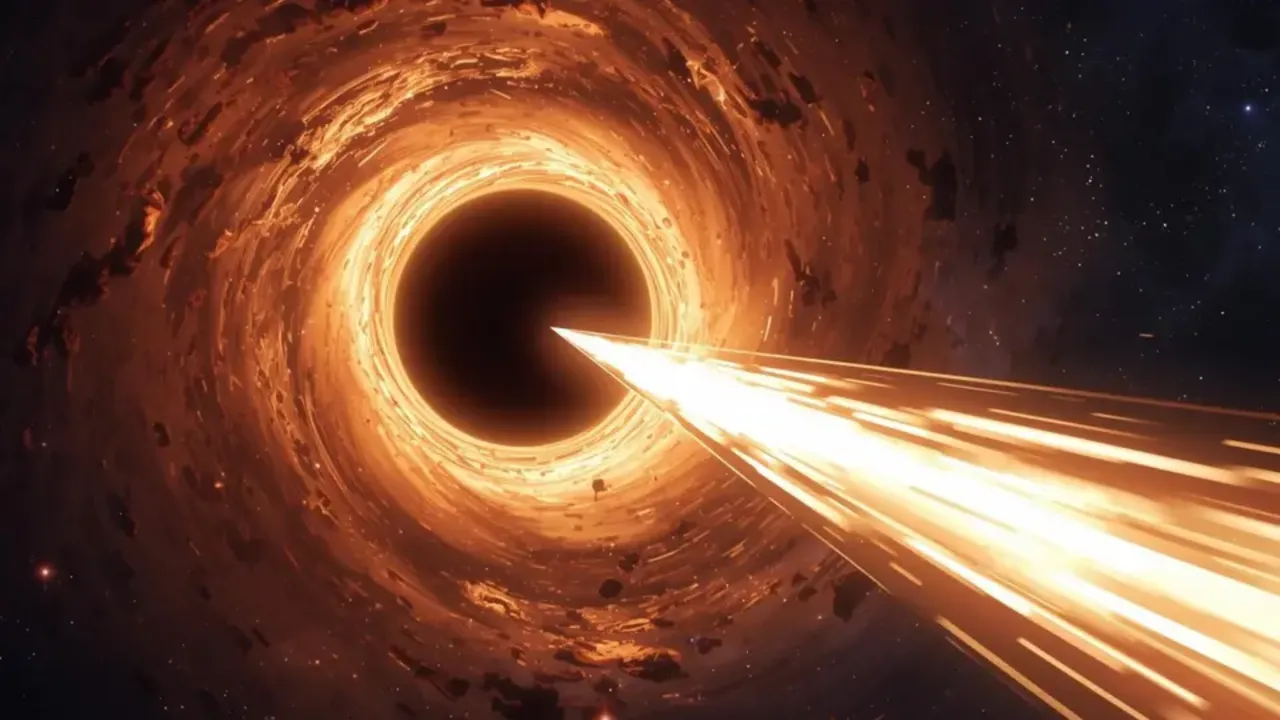
SDSS J110546.07+145202.4 brightened 20x in radio, showing a Big Bang-like black hole
A nearby galaxy’s supermassive black hole is feeding at rates only seen in the early universe, and it keeps going.