
Ken Paxton touts voter-fraud crackdown. His opponent says he committed it in six elections
A Texas Senate race turns into an address-and-residency showdown after reporting found Paxton voting from a place he left.
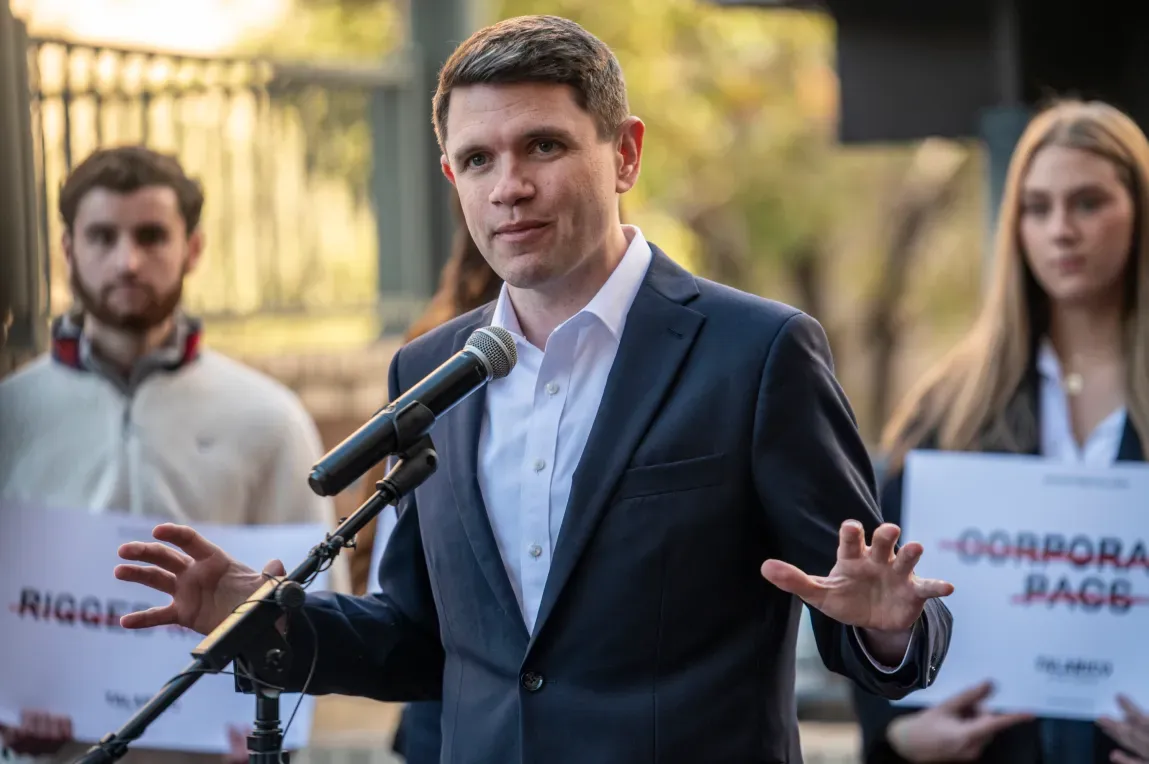
Texas AG Ken Paxton is running for the U.S. Senate seat open after John Cornyn. His Democratic opponent, state Rep. James Talarico, is accusing Paxton of committing voter fraud based on ProPublica and The Texas Tribune reporting about Paxton continuing to vote using an address he moved out of in 2024.
Texas Attorney General Ken Paxton has spent years publicly fighting voter fraud. Now, in the U.S. Senate race to replace John Cornyn, his Democratic challenger, state Rep. James Talarico, is turning that same talking point around. Speaking during a campaign event in Houston, Talarico called Paxton a “voter fraud witch hunt” operator who, according to his accusation, was committing voter fraud “voting illegally in six elections in a row from the wrong address.”
The “wrong address” claim is tied to reporting by ProPublica and The Texas Tribune: Paxton moved out of the home he shared with his wife, state Sen. Angela Paxton, in 2024 but continued to vote using that address. The reporting says that includes the March Republican primary in which Paxton beat Cornyn. Three election experts told the news organizations that Paxton may have broken state law. Paxton has repeatedly declined to answer questions from the newsrooms about his voter registration and residency, and his office and campaign did not respond to similar questions on Thursday from ProPublica and the Tribune.
This is not the first time the question “who is bending which rule” has dogged Paxton. The fact that he voted in six elections from an address at which he appears not to live may land with voters because it reinforces longstanding accusations by critics that Paxton has used his office for personal gain. That theme was central to the Texas Legislature’s impeachment of Paxton in 2023, on charges of bribery and corruption. The Texas Senate voted to acquit him. Political scientists also argue that, even when legal challenges get dodged or resolved against critics, repeated episodes still matter to voters. Southern Methodist University political science professor Cal Jillson framed the latest reporting as “another example of playing fast and loose with a law you must be familiar with as attorney general.”
The legal and procedural backdrop makes the accusation especially combustible. Texas law permits voters to temporarily cast ballots using an address where they do not reside, as long as they intend to return. Election lawyers told ProPublica and The Texas Tribune that it is unlikely Paxton could make that argument given his ongoing public and acrimonious divorce. The article also notes examples of reasons considered valid for temporarily voting from a non-resident address, including attending an out-of-area college or serving in the military. In other words: there is a framework Texas voters can live inside, but the factual timeline is what will decide whether this story is viewed as an exception or a violation.
Last week, the Collin County Democratic Party filed a complaint with the Texas secretary of state, urging that office to investigate Paxton for election fraud. That complaint now collides with the political calendar and a transition in leadership at the top of the secretary’s office. Secretary of State Jane Nelson’s last day in office was Friday, three days after the complaint was filed. Gov. Greg Abbott appointed one of his senior advisers, Robert Howden, to replace her. The office continues to decline to answer questions from reporters, but Collin County Democratic Party Vice Chair Mary Higbe said the secretary of state told her in an email Thursday that the complaint “remains under review by one of our staff attorneys.”
What’s unclear is what happens next, and that uncertainty is now part of the story. State law requires the secretary to “promptly” refer complaints to the attorney general if there is “reasonable cause to suspect that criminal conduct occurred.” But the attorney general’s office is the office at the center of the allegation, and the article reports that the attorney general’s office has not responded to questions about whether it received the complaint or whether it would hire a special prosecutor to investigate it. Jon Taylor, a political science professor at the University of Texas at San Antonio, suggested that the Republican-led state government’s silence could look like a slow-walk. He said that is difficult to square with rhetoric from Paxton and the secretary of state’s office that securing Texas elections is a top priority. Taylor’s critique, as quoted in the reporting, was blunt: it “smacks of rank hypocrisy.”
Tuesday’s counter-programming also matters. Paxton held a rare news conference to tout the endorsement of nearly two dozen sheriffs and attacked Talarico as soft on crime. Talarico denied the charge at his own news conference Wednesday, saying he had voted for billions of dollars in law enforcement funding as a member of the Legislature. When a Dallas Morning News political writer asked Paxton why he voted in Collin County, the attorney general shook his head and a campaign aide interceded, telling the writer, “We’re just going to answer questions on law enforcement today.” Paxton’s office and campaign did not respond to questions about Talarico’s comments.
Zoom out beyond this Senate race and the stakes get bigger for executives, boards, and anyone who understands how institutions handle integrity claims. Election processes are not just moral arguments, they are operational systems with compliance workflows, audits, referrals, and enforcement boundaries. Here, the central friction is whether standard procedures will move quickly when the alleged misconduct points directly at the top lawyer in the state. If investigations are delayed, critics can claim gamesmanship. If they move fast and deliver consequences, supporters can point to a system that is self-correcting. Either way, the second-order impact is reputational and institutional. And for people in leadership roles across government and regulated industries, the lesson is familiar: when enforcement discretion meets political incentives, the speed and transparency of the response becomes part of the outcome.
For now, the story’s core question remains tethered to that simple, disruptive claim: Paxton touts a voter-fraud crackdown while his opponent accuses him of voting illegally in six elections in a row from the wrong address. The reporting says the address question is anchored in actions after a 2024 move. The complaint process may take shape under a new secretary of state. And the unanswered questions about whether the attorney general’s office will investigate itself, or instead appoint a special prosecutor, may decide whether this becomes a footnote, a scandal, or a test of Texas election enforcement in real time.
This story's Key Insights and Take-aways are locked.
Create a free account to unlock Executive Actions for one credit.
Register to UnlockAlways free for Executives Club members. Join the Club
More in Politics
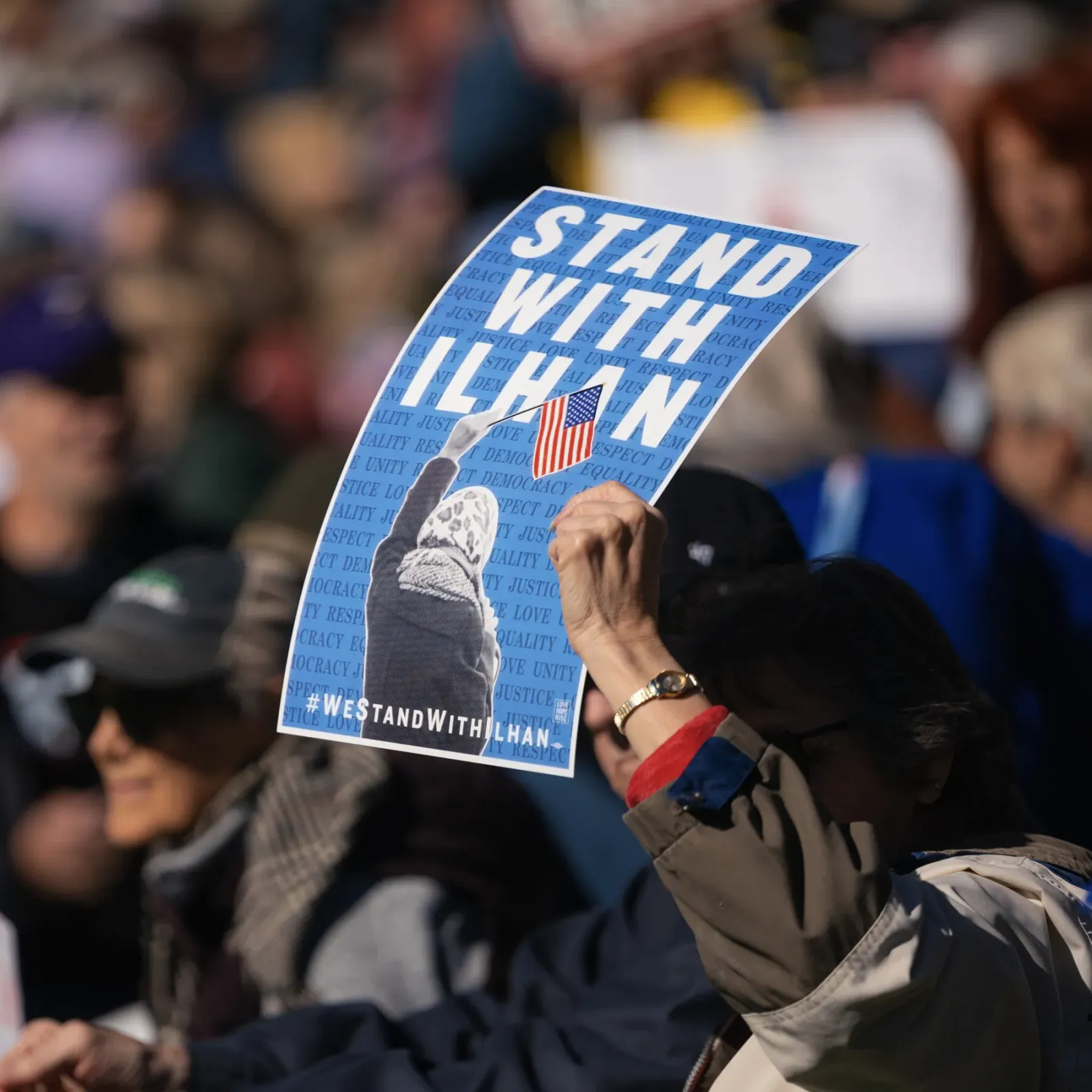
Obama Defends Ilhan Omar After Agents Search Her Home in Trump Inquiry
The former president's intervention raises the stakes in a federal probe into immigration paperwork that has put a prominent progressive lawmaker in the crosshairs.

Blair-era minister: cut welfare to fund youth job support
Alan Milburn's call for welfare cuts to fund employment support opens a Labour fight over benefits and the Neet crisis.
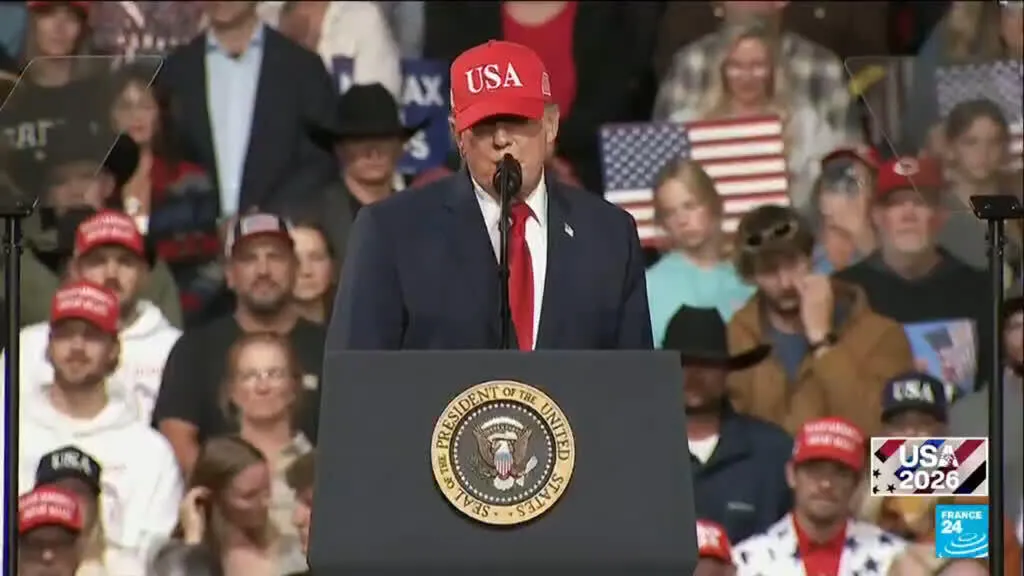
Hot September CPI: energy costs surge, voters feel the squeeze before midterms
The latest inflation print lands as Trump campaigns for GOP control of Congress, putting cost-of-living worries at the center of the midterm fight.