
Kuwait says it destroyed hostile Iranian drones in airspace, hitting two facilities
The Kuwait Army reports an Iranian drone attack attempt on vital sites, with damage but no casualties, raising regional risk.
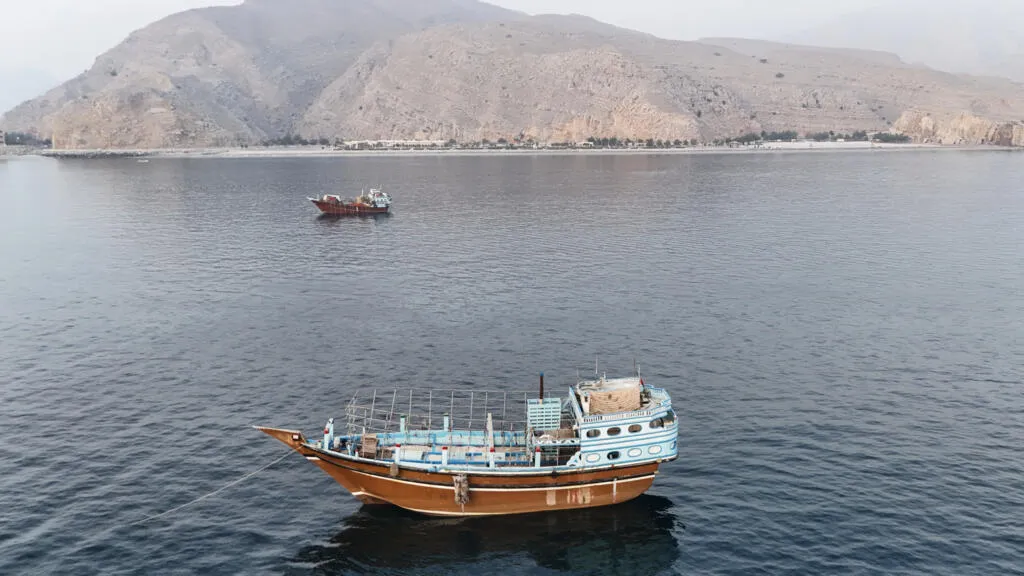
Kuwait's army said on Saturday it destroyed hostile Iranian drones in Kuwait's airspace. It also reported that a government facility in northern Kuwait and a civilian property were hit, with no casualties.
Kuwait’s army says it destroyed hostile Iranian drones in the country’s airspace on Saturday, in what it described as an attack targeting several vital facilities. In the same account, the army also said a government facility in northern Kuwait and a civilian property were hit, while no casualties were reported.
For decision-makers, the immediate takeaway is not just “drones were shot down,” it is that the attempted targeting included both government-linked infrastructure and civilian locations. That matters because drone incidents do not stay confined to the incident site. They tend to trigger changes in security posture, airspace management, and operational planning, often quickly and often expensively, even when casualties do not occur.
From an executive perspective, Kuwait sits in a region where air and critical infrastructure defense can become a board-level risk discussion overnight. Even when an event lasts minutes or hours, the follow-on work can take much longer: incident reviews, vendor and contractor reassessments, procurement of detection and counter-drone capabilities, and updates to emergency response protocols. The source does not provide details on which systems detected or destroyed the drones, but the reported targeting of “several vital facilities” is enough to suggest that Kuwait’s defense apparatus and continuity planning were tested.
There is also a communications and governance angle. When a national army releases operational statements like this, it is effectively shaping the informational environment for domestic audiences and cross-border stakeholders. For companies operating in or supplying to the area, that can influence how they interpret threat levels, how insurers price risk, and how regulators and counterparties handle compliance and risk reporting. In practice, drone incidents can bleed into business decisions like routing, site staffing, duty-of-care measures, and the design of physical security plans.
Another second-order implication: “no casualties” does not mean “no cost.” Property damage to a government facility and a civilian property, as described by the army, can create direct repair expenses and longer-term disruption. If facilities involved are considered “vital,” even limited damage can lead to temporary downtime, increased monitoring, or rerouted services. That is especially relevant for operators who rely on predictable logistics, utilities, telecommunications, or government-adjacent services, where short interruptions can cascade into broader operational delays.
Regulatory and oversight dynamics matter too. After reported attacks, governments and regional bodies often tighten compliance expectations around security, critical infrastructure protection, and incident response readiness. The exact regulatory changes are not stated in the source, but executives should assume that reporting standards, documentation requirements, and auditable controls will be scrutinized more intensely. Boards typically ask two questions right after events like this: what did we have in place, and what would we do differently next time.
For peers across the Gulf and Middle East, Kuwait’s account is a signal of both capability and vulnerability. The army claims destruction of hostile drones in Kuwait’s airspace, which indicates a functional defense response. At the same time, the fact that “a government facility in northern Kuwait and a civilian property were hit” shows the attackers were able to reach targets before interception or impact. That combination tends to raise the bar for continuous improvement: better detection, tighter protective perimeters for vital sites, and more resilient continuity plans that assume not everything will be stopped.
Strategically, this is the kind of development that can affect capital allocation decisions indirectly. Defense and security spending can rise, insurers and risk analysts may adjust assumptions, and companies with exposure to critical infrastructure and logistics can face higher operating costs. Even for non-defense firms, the operational planning impact can show up in budgets, insurance renewals, and risk committee agendas. If you are an executive or board member in a similar region, treat this as a live reminder that airspace security is now part of the broader enterprise risk map, not just the government’s problem.
This story's Key Insights and Take-aways are locked.
Create a free account to unlock Executive Actions for one credit.
Register to UnlockAlways free for Executives Club members. Join the Club
More in Politics

Obama Defends Ilhan Omar After Agents Search Her Home in Trump Inquiry
The former president's intervention raises the stakes in a federal probe into immigration paperwork that has put a prominent progressive lawmaker in the crosshairs.

Blair-era minister: cut welfare to fund youth job support
Alan Milburn's call for welfare cuts to fund employment support opens a Labour fight over benefits and the Neet crisis.

Hot September CPI: energy costs surge, voters feel the squeeze before midterms
The latest inflation print lands as Trump campaigns for GOP control of Congress, putting cost-of-living worries at the center of the midterm fight.