

US-Iran war expands to Saudi, Iraq, Yemen, Jordan, and Egypt, recession risk rises
Saudi Arabia reportedly joins Iraq strikes as Iran hits US bases, widening a conflict that energy markets fear and policymakers can’t pause.

Donald Trump’s US conflict with Iran has expanded beyond US-Iran fighting, with Pentagon strikes and Tehran retaliations occurring across a growing set of regional states. Decision-makers now face the prospect of severe energy disruption, pricing pressure, and recession risk if the escalation continues.
The US war on Iran is no longer contained to a single theater. Over the past week, the conflict has expanded across the Middle East, with attacks and counterattacks in at least five other countries, and there is little sign of progress in US-Iran talks being brokered by Pakistan and Qatar.
As this escalation picks up, the rhythm is increasingly blunt: after a few days of relative calm, the conflict resumed with the Pentagon carrying out almost nightly strikes against Iran, while Tehran retaliates against US military bases in the region. That cycle matters because it removes the usual “cooling-off” moments that markets and governments quietly rely on.
Here is what is actually widening. The Pentagon strikes and Tehran’s responses are not happening in a vacuum. The conflict also extended to attacks in Saudi Arabia, Iraq, Yemen, Jordan, and Egypt, according to the account. On top of that, Saudi Arabia is reportedly joining airstrikes in Iraq and is reportedly planning an attack on the Houthis. In other words, escalation is moving laterally, from bilateral confrontation to a broader regional problem where multiple armed actors have reasons to respond, and fewer reasons to stand down.
The original strategic premise behind a limited war is also colliding with reality. Instead of a quick war that sought to topple Iran’s regime, Donald Trump has started a regional conflict that risks severely disrupting energy supplies and prices. For executives, that is the core economic transmission mechanism. Even if no single shipment is directly intercepted, the mere expectation of disruption can move prices quickly, tighten financial conditions, and shift budgets as firms plan for higher input costs.
Saudi involvement is especially important, not because it is surprising, but because it compresses the time horizon in which leaders can act carefully. When states coordinate or align in military operations across borders, each new strike changes what the next one “needs” to achieve. And when the target set includes both Iraq and Yemen, the conflict’s geography becomes harder to manage politically. The more countries are pulled in, the more negotiations face an uphill task: every participant has at least one domestic constituency that interprets restraint as weakness.
Then there is the market factor that sits underneath every boardroom conversation right now: recession risk. The source is explicit that a recession could follow, framing the escalation as a threat to energy supplies and prices that could ripple into growth. For decision-makers, that is not a distant macro headline. It is the set of second-order effects executives feel first through cash flow volatility, higher financing costs, and demand uncertainty. Energy price spikes also tend to act like a tax on consumers and businesses, squeezing spending on everything else.
Finally, the diplomatic side looks stuck. Peace negotiations between the US and Iran are being brokered by Pakistan and Qatar, but there is little sign of progress. That matters because in modern crises, negotiations are not only about stopping bullets. They also function as a signal. When talks appear to stall, the market and the bureaucracy read the same message: there is no near-term off-ramp, so firms should assume disruption will persist.
If you run a company whose planning cycle depends on stable energy costs, or you sit on a board that must stress-test downside scenarios, this escalation is the kind of event that forces hard questions fast. The situation described here is not just about military tempo. It is about the expansion of conflict across Saudi Arabia, Iraq, Yemen, Jordan, and Egypt, the near-nightly Pentagon strikes, Tehran’s retaliation against US military bases, and the lack of negotiating momentum. Together, those dynamics create a dangerous mix: sustained conflict, widening theaters, and a growing probability that energy shocks turn into a broader economic slowdown.
This story's Key Insights and Take-aways are locked.
Create a free account to unlock Executive Actions for one credit.
Register to UnlockAlways free for Executives Club members. Join the Club
More in Politics
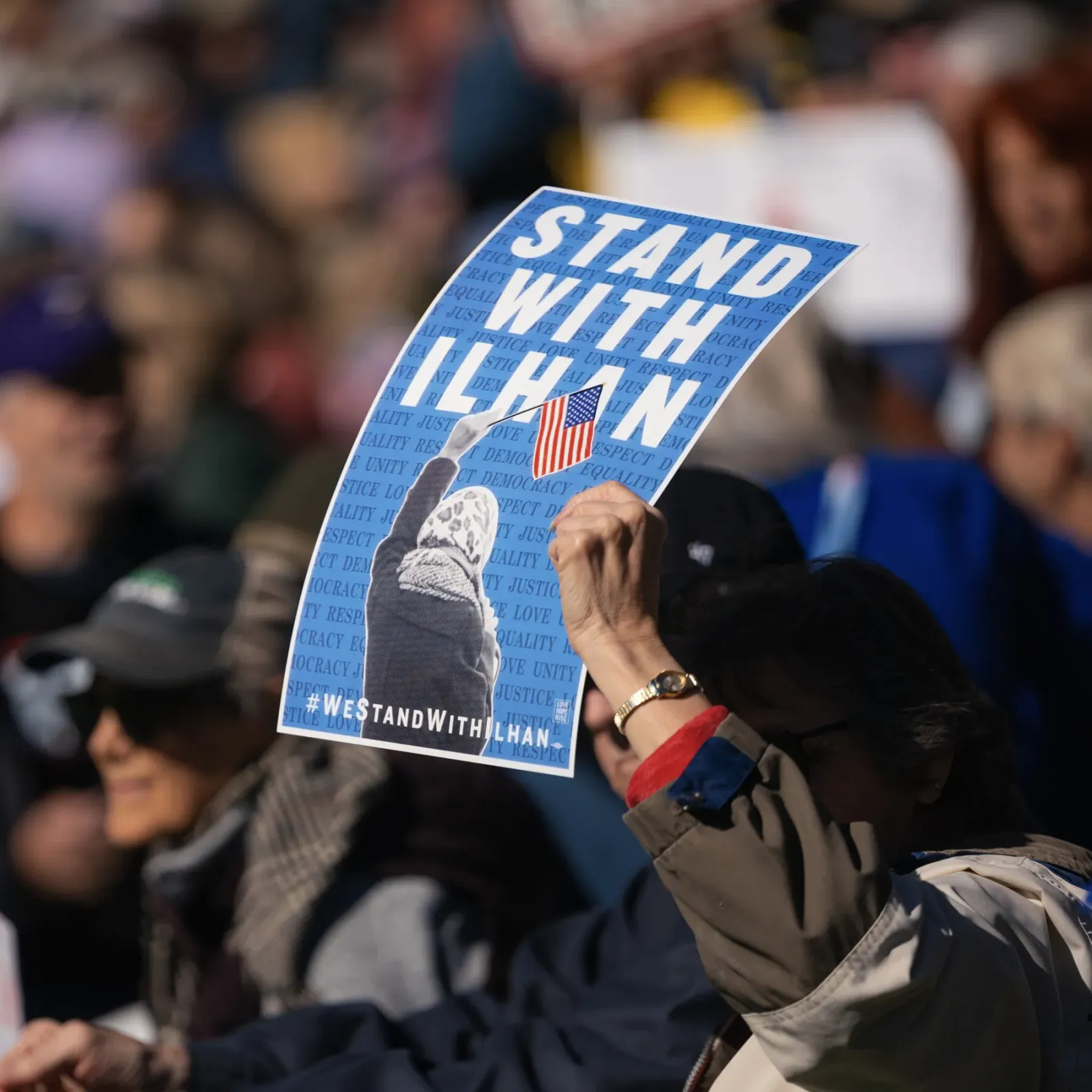
Obama Defends Ilhan Omar After Agents Search Her Home in Trump Inquiry
The former president's intervention raises the stakes in a federal probe into immigration paperwork that has put a prominent progressive lawmaker in the crosshairs.

Blair-era minister: cut welfare to fund youth job support
Alan Milburn's call for welfare cuts to fund employment support opens a Labour fight over benefits and the Neet crisis.
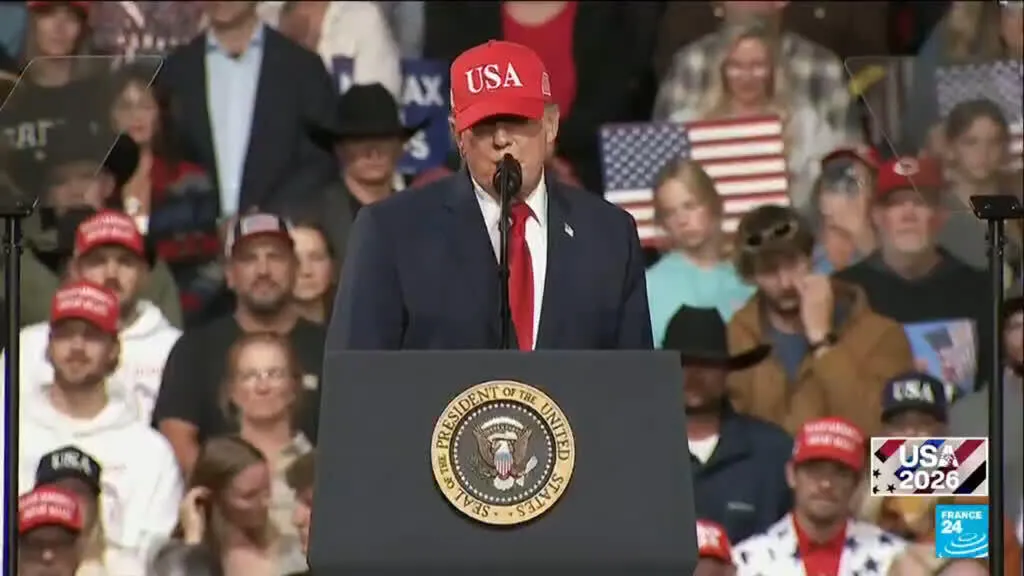
Hot September CPI: energy costs surge, voters feel the squeeze before midterms
The latest inflation print lands as Trump campaigns for GOP control of Congress, putting cost-of-living worries at the center of the midterm fight.