
Liberals didn’t “discover” morality late, liberalism’s history says values were always core
The fight over moral language is newer than the idea itself, and decision-makers should care about what that shifts in politics.
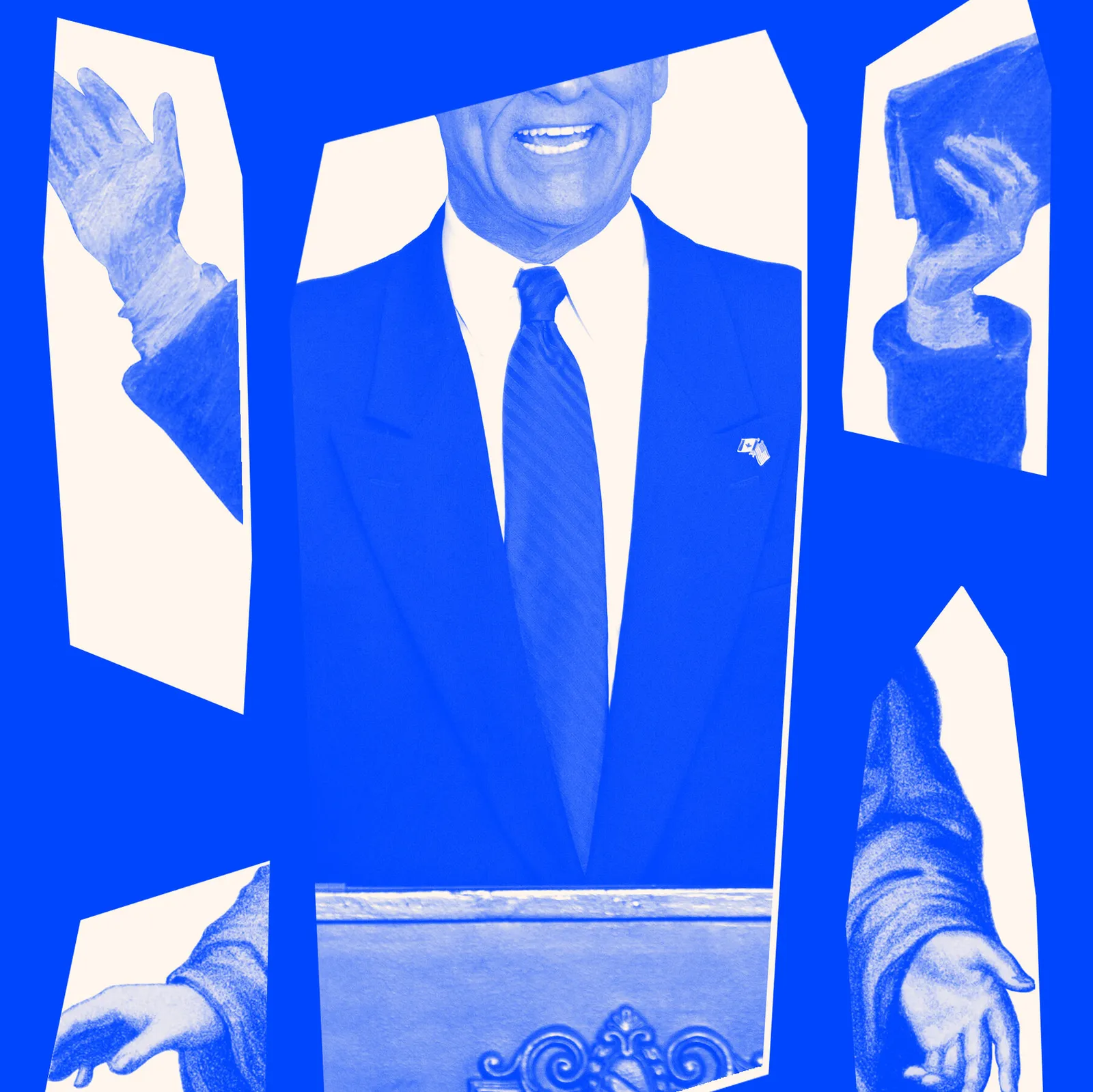
Recent political debate has made it seem like liberals only recently embraced moral language previously owned by social conservatives. For executives and board members, the deeper point is that values framing has always been part of liberalism, changing how coalitions, messaging, and regulation tend to form.
Until recently, the language of morality belonged to social conservatives. But liberalism's history suggests that values have been at its core all along. That sounds like a philosophy seminar. It is not. It is a map for how power gets built, how coalitions get assembled, and how public legitimacy gets granted or revoked.
Start with the headline-level truth: the idea that liberals only just stepped into “moral” territory is a recent storytelling convenience. The source frames the tension as a shift in who uses morality as the public language of politics. It argues the real story goes deeper: the architecture of liberalism has always included values, even when the branding of those values seemed to sit elsewhere. So what took so long? Not the underlying commitments. The public emphasis.
Why does this matter beyond political Twitter? Because values language is not just rhetoric. In practice, it becomes a tool that shapes policy priorities, lobbying targets, and regulatory interpretation. When one side claims moral authority, it often earns two things: a preference for its framing in media and a presumption of legitimacy in institutions. The other side is then forced into either silence or reactive defense. That dynamic can influence everything from how regulators justify rules to how companies anticipate enforcement risk, reputational risk, and employee morale.
In the corporate world, “morality framing” shows up in decisions that look unrelated on the surface. Who gets brought into a policy working group. Which issues are treated as existential versus optional. How boards evaluate strategic narratives when stakeholder pressure rises. How compliance teams translate controversial debates into operational guardrails. These are not just communications tasks. They become governance tasks. And governance tasks depend heavily on what the culture believes is morally salient at the moment.
The source's key move is to challenge the timeline implied by popular debate: the assumption that morality-as-language was monopolized by social conservatives until liberals arrived late. But if liberalism has had values at its core all along, then the “late arrival” story is a shift in surface language, not in the underlying political psychology. That reframes how leaders interpret current messaging swings. If values framing can migrate between camps without changing the foundational beliefs, then today's debate is less about discovering principles and more about competing for the microphone.
This is where second-order implications start to matter for executives and boards. If the battlefield is not whether values exist, but who gets to define them publicly, then strategic communication becomes inseparable from stakeholder and regulatory strategy. Companies do not just respond to rules. They also respond to the moral legitimacy behind the rules. When lawmakers and regulators argue from “values,” enforcement and implementation can feel less negotiable. It becomes harder to treat compliance as a neutral technical exercise. It becomes part of a moral contest.
There is also a coalition effect. Values-focused politics can attract different audiences, donors, and institutional allies than purely procedural politics. When a party’s leadership shifts emphasis, it can unlock new partners or alienate old ones. That matters for any organization trying to operate in the same ecosystem as those coalitions. Board oversight, risk committees, and executive teams often have to manage not just what is legal, but what is politically actionable, socially punishable, or institutionally rewarded.
Finally, there is the strategic lesson peers should take from the source’s framing. If liberalism’s history indicates values were always core, then the contemporary claim that one side “owns” morality is likely a rhetorical snapshot, not a durable reality. For decision-makers, that means you should expect values language to keep circulating, not settle into a permanent monopoly. The practical stake is timing: who is first with the moral frame, who can sustain it, and who can translate it into governance outcomes. In a world where moral language drives legitimacy, the cost of misreading who owns the narrative can show up later as higher regulatory heat, tougher stakeholder scrutiny, and more volatile public expectations.
This story's Key Insights and Take-aways are locked.
Create a free account to unlock Executive Actions for one credit.
Register to UnlockAlways free for Executives Club members. Join the Club
More in Politics
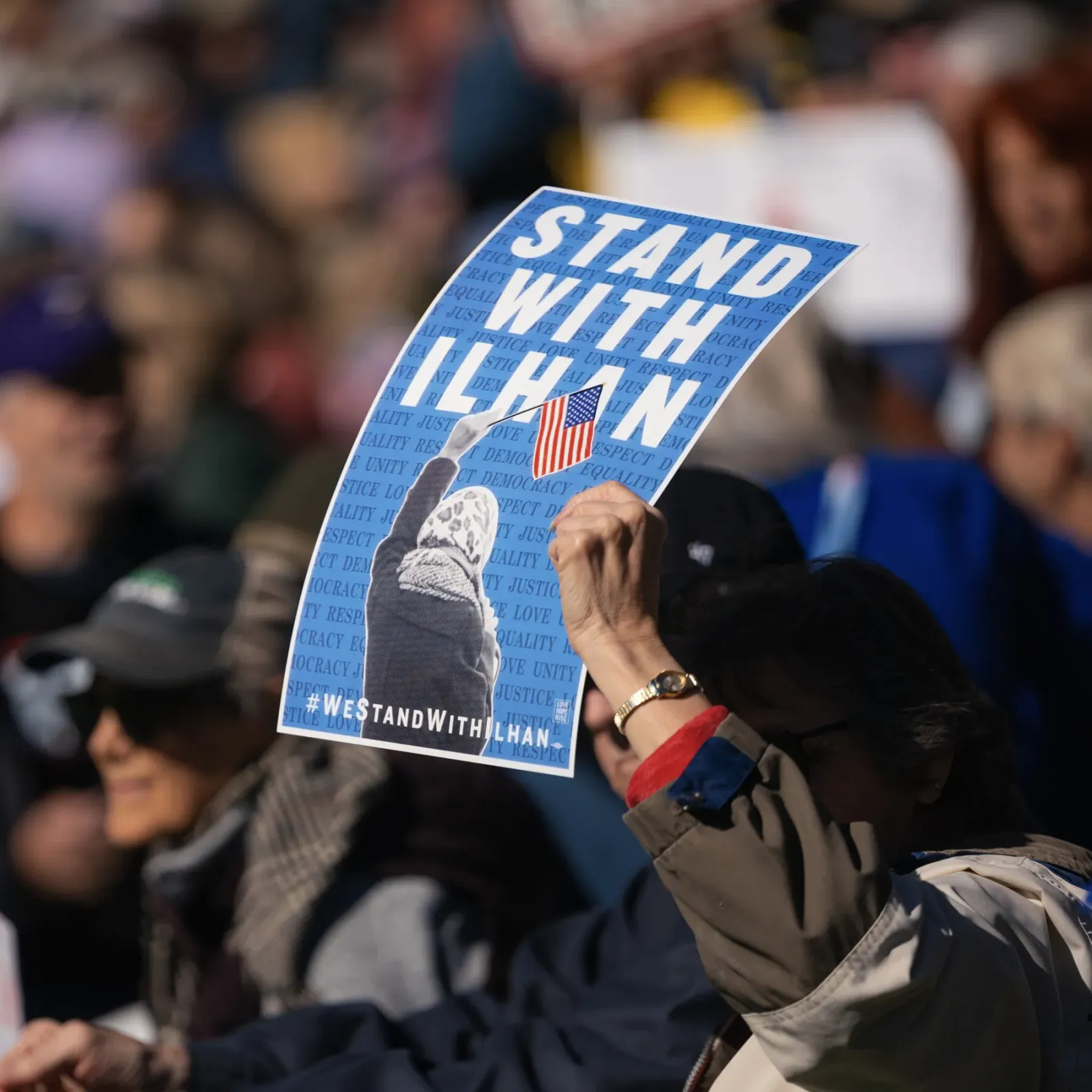
Obama Defends Ilhan Omar After Agents Search Her Home in Trump Inquiry
The former president's intervention raises the stakes in a federal probe into immigration paperwork that has put a prominent progressive lawmaker in the crosshairs.

Blair-era minister: cut welfare to fund youth job support
Alan Milburn's call for welfare cuts to fund employment support opens a Labour fight over benefits and the Neet crisis.
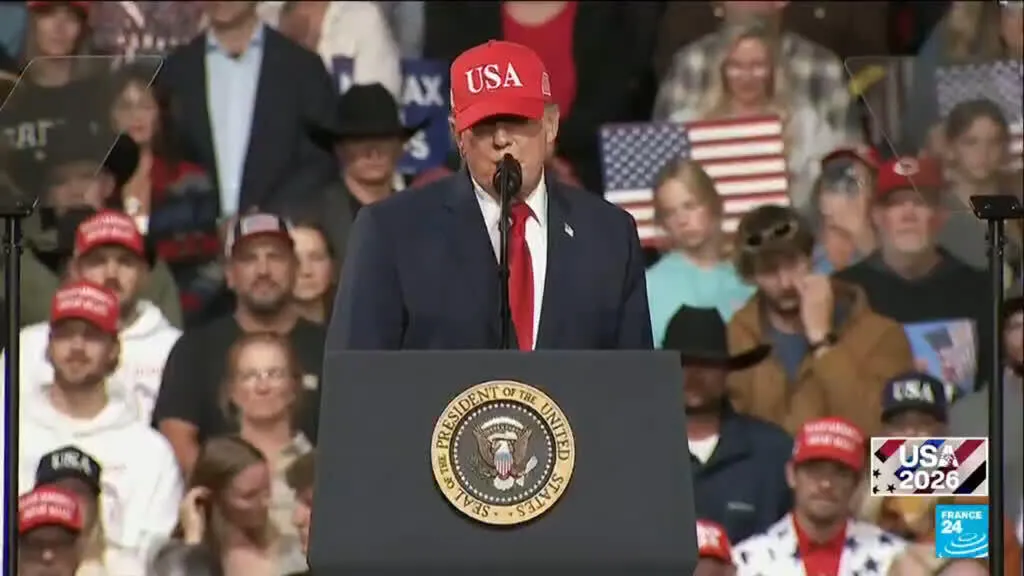
Hot September CPI: energy costs surge, voters feel the squeeze before midterms
The latest inflation print lands as Trump campaigns for GOP control of Congress, putting cost-of-living worries at the center of the midterm fight.